How to grow the monkey face orchid (Dracula simia)? A detailed guide to cultivation techniques
The monkey face orchid (Dracula simia) has a very unique and adorable shape, and as an ornamental plant it is deeply loved by people. What issues should be noted when growing the monkey face orchid? Let us take a look together below.
Introduction to the monkey face orchid
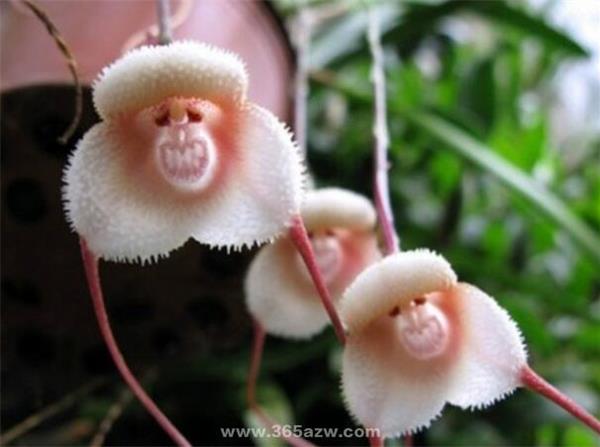
A strange orchid grows in the cloud forests of southeastern Ecuador and Peru. Because it has a monkey face, it is vividly called the monkey face orchid. This orchid usually grows at elevations nearly 2000 m above the line of sight, and is very hidden, so it is difficult for people to find. This orchid can bloom in any season, and the scent it gives off is similar to that of ripe oranges.
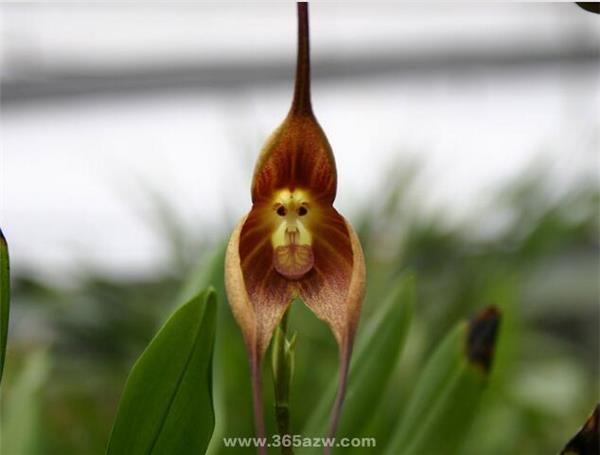
Monkey face orchid (Dracula simia). Dracula means "little dragon", representing this orchid's two long spines and two long sepals, while Simia represents an even more striking strange feature of this orchid, namely the monkey face.
Because it has a monkey face, it is vividly called the monkey face orchid, and its scientific name is Dracula simia. Besides the monkey face, this orchid also has two strange features, namely two long spines and two long sepals.
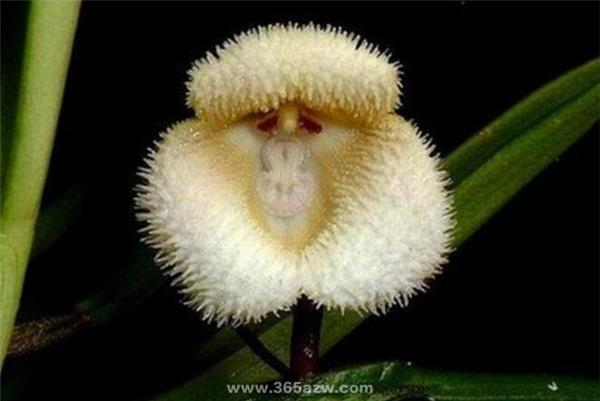
The part of this orchid that looks like a monkey face and monkey mouth is the lip of the Dracula orchid, the part that looks like three large petals is actually the sepals, and the part resembling the monkey's forehead and nose is the column. In 1978, botanist Carl Luer named this orchid.
How to grow the monkey face orchid
The seeds of the monkey face orchid are very small, so it is best to raise seedlings in flat trays or plug trays. The seeds do not need to be covered with soil, and greenhouse cultivation usually involves autumn sowing. Transplant once when there are 2 to 3 true leaves, and when the seedlings are about 10 cm tall, plant them in flower pots or plant them in flower beds at a spacing of 25 cm.
During the maintenance period, water and fertilize frequently to keep the soil moist and fertile. Pinching is advisable to promote branching; with more branches, it can bloom continuously, and the flowering period reaches 3 to 4 months. The suitable temperature for overwintering is 10°C, and it can tolerate a low temperature of 2°C. In the north, it can overwinter in a cold frame; if overwintered in a greenhouse, it can bloom earlier.
The flowering period is spring and summer or summer and autumn. The flower colors are many, the flowers are lush, and the plants are compact, suitable for planting in flower beds or using potted flowers for landscape arrangements. It is very lively and has a good ornamental effect.
Notes
Humidity management:
The monkey face orchid likes a relatively dry air environment. If rainy days last too long, it is susceptible to infection by pathogens. It is afraid of rain, and the leaves should be kept dry at night. The most suitable relative air humidity is 40 to 65%.
Temperature management:
The monkey face orchid likes a cool climate and is afraid of extreme heat, making summer difficult to get through; it is not tolerant of frost and cold, and when the temperature drops below 10°C it will enter dormancy. The most suitable growth temperature is 15 to 28°C.
Light management:
In the three seasons of late autumn, winter, and early spring, because the temperature is not very high, the monkey face orchid should be given direct sunlight to help it carry out photosynthesis and form flower buds, bloom, and set seed. If encountering high-temperature weather or in summer, it needs to be shaded from about 50% of the sunlight. If it is kept indoors for ornamental maintenance after flowering, it should be placed near southeast-facing doors and windows to extend the flowering period and increase the number of flowers as much as possible.
Fertilizer and water management:
It does not have high requirements for fertilizer and water, and it is also afraid of random fertilization, concentrated fertilizer, and one-sided application of nitrogen, phosphorus, and potassium fertilizers. It is required to follow the fertilization (watering) principle of light fertilizer applied frequently, small amounts with more applications, and complete nutrition.
Summer maintenance:
Summer is a season of slow growth, so fertilizer and water should be appropriately controlled. The interval period is roughly: for outdoor maintenance, 1 to 4 days; on sunny days or during high temperatures, the interval period is shorter, and on rainy days or during low temperatures, the interval period is longer or do not water; for indoor maintenance, 2 to 6 days; on sunny days or during high temperatures, the interval period is shorter, and on rainy days or during low temperatures, the interval period is longer or do not water. Water in the morning or evening when the temperature is low, and also spray the plants frequently. Try to arrange watering in the morning when the temperature is relatively low.
The above is the relevant introduction to growing the monkey face orchid. I hope it is helpful to you.