How to grow Chinese lantern flowers? A step-by-step guide to the growing method
The flowers of the Chinese lantern flower look just like little lanterns. It is a herbaceous flowering plant, and the common flower colors are mainly purple, red, and white varieties. It looks extremely delicate and beautiful and has very high ornamental value. Let's take a look together below.
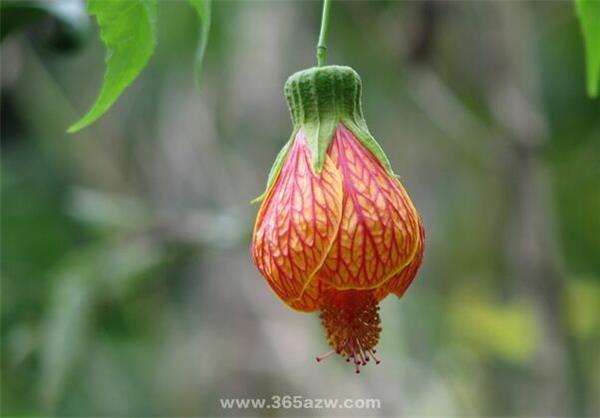
The growing method of the Chinese lantern flower
The Chinese lantern flower almost never produces seeds and often relies on cuttings to reproduce. The Chinese lantern flower is mainly propagated by cuttings, generally taken in January, February, and October, with a suitable cutting temperature of 15-20°C, and roots appearing in about 20 days. Cut 5-8 cm long, well-grown shoot tips as cuttings. At a temperature of 20°C, softwood cuttings root in two weeks after planting. After rooting, pot them up promptly, otherwise the roots rot easily. It is often propagated by cuttings, which can be done throughout the year, with faster rooting in spring and autumn. The best cuttings are tender tip shoots, 7-8 cm long, inserted into a sand bed and kept moist; they root in about 10 days after planting and can be potted up in September.
1. The Chinese lantern flower's temperature requirements: In winter it needs warmth and moisture, plenty of sunlight, and air circulation; in summer it needs a dry, cool, and semi-shaded environment. It dislikes extreme summer heat and muggy conditions as well as rain and direct sun. The suitable growing temperature for the Chinese lantern flower is 10-25°C. In winter the temperature should not fall below 5°C. When the summer temperature reaches 30°C, growth becomes extremely slow, and at 35°C large numbers wither and die.
2. Watering and fertilizing the Chinese lantern flower: When watering the Chinese lantern flower in spring and autumn, follow the principle of watering when dry and withholding when wet, so as to keep the potting soil moist. In midsummer the potting soil should be on the dry side, and spraying water should raise the relative air humidity to above 60%. In winter it must be kept slightly moist to promote new shoot growth. In spring and autumn, apply a dilute liquid fertilizer once every 10 to 15 days, and once a week during the bud stage. For new plants raised in the previous year and in the current spring, fertilize normally through summer to keep them blooming continuously; for perennial old plants, stop fertilizing because they are in the dormant period.
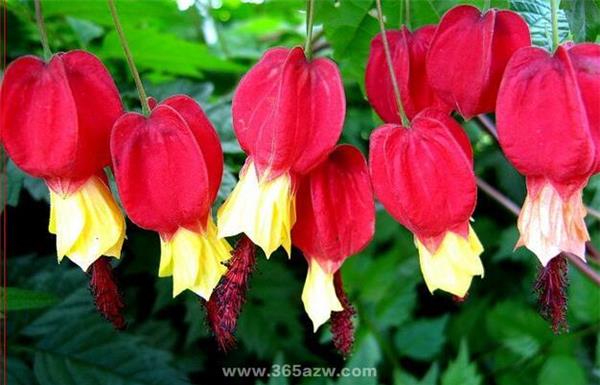
3. Key points for caring for the Chinese lantern flower: First, place the Chinese lantern flower plant in a shaded, ventilated, cool spot sheltered from rain; spray water on the leaves several times a day and sprinkle water on the ground to lower the temperature and increase air humidity. Second, for perennial old plants, restrict water and stop fertilizing so they pass through the dormant period smoothly. The plant should be moved indoors before Frost's Descent and taken outside after Qingming; the room temperature should be kept above 5°C. In cold waves and snowy, windy weather, when freezing occurs outdoors, it is best to move it back indoors.
4. Repotting and soil changing for the Chinese lantern flower: The Chinese lantern flower grows fast and needs ample nutrients, so the potting soil should be a humus-rich sandy loam. It should also be mixed with 20%-30% fully decomposed livestock manure. During the peak growing season when it is leafing out, additional liquid fertilizer should be applied. For the first 3 years, repot and change the soil every spring to replenish nutrients. After planting, with good care it can bloom the following year. Because the branches and leaves are lush, pinch the tips promptly to maintain a suitable plant height and shape; since the flowers hang down, the branches should be spaced appropriately.
Precautions for growing the Chinese lantern flower
1. When the summer temperature exceeds 38°C, metabolism slows down and the growth of the Chinese lantern flower comes to a standstill. At this time leaf drop and root rot often occur, and if effective measures are not taken, the whole plant may die.
2. In winter the minimum temperature in the greenhouse should be kept at 10°C. At a low temperature of 5°C it is prone to cold damage. The growing room temperature is 10-25°C, and relatively high air humidity is required.

Pest and disease control for the Chinese lantern flower
Its common diseases are generally gray mold, powdery mildew, and so on.
Gray mold mainly damages flowers, stems, and leaves. Affected parts generally show water-soaked spots. In the early stage of the disease, use a 500-fold dilution of 65% zineb or 50% carbendazim or other new fungicides, spraying once every 7-10 days for 3-4 consecutive sprays. Usually pay attention to ventilation and light so the plants grow well and their disease resistance improves. After the disease appears, promptly prune and dispose of diseased branches and leaves to reduce the source of infection.
Powdery mildew mainly damages flowers, stems, and leaves as well. Its symptom is a layer of white powder on the surface. In the early stage of the disease, pay attention to ventilation and light and apply more phosphorus and potassium fertilizer to improve the plant's disease resistance. After the disease appears, promptly spray an 800-fold dilution of 70% thiophanate liquid or a 2500-fold dilution of triadimefon or other suitable fungicides, spraying once every 10 days for 2-3 consecutive sprays.
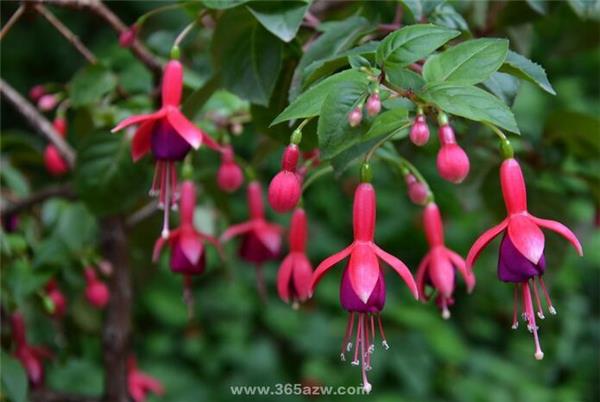
The above is the relevant introduction to caring for the Chinese lantern flower. I hope it is helpful to you.