Is the pitcher plant poisonous? A full analysis of cultivation methods
The pitcher plant is a plant that feeds on insects. Its growing medium must be disinfected. Besides this, what other issues need attention in cultivation? Next, a detailed introduction for everyone.
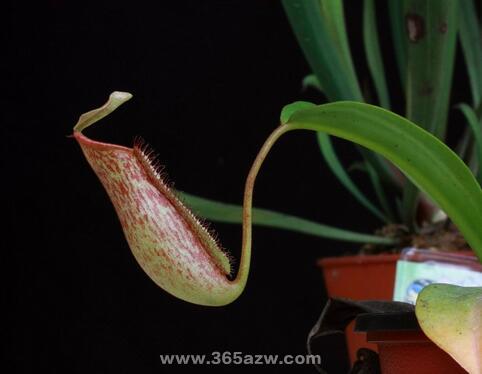
The pitcher plant is a plant that bears small white flowers, with pure white petals edged with wavy lines, very beautiful and alluring. Its beautiful leaf pitchers have extremely high ornamental value, and planting it in a hanging basket is elegant and distinctive, full of interest.
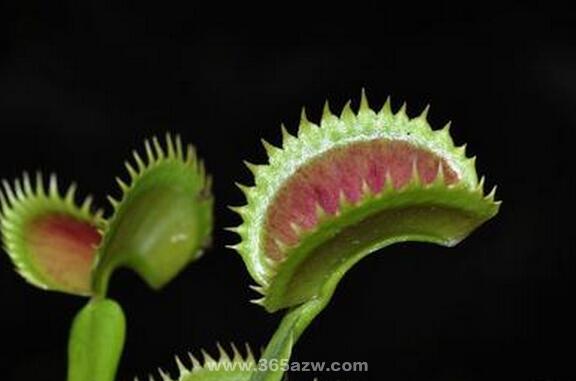
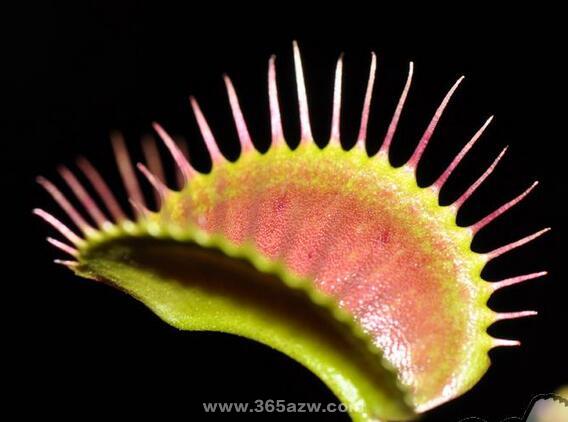
The pitcher plant has a peculiar insect trap at the front end of its leaf, up to 3 cm long. The trap is composed of 2 shell-shaped leaf lobes whose edges bear many protruding hard spines and tiny nectar glands; the inner surface is covered with dark red digestive glands and is also furnished with 3 stout trigger hairs arranged in an equilateral triangle. Attracted by the sweet fragrance of the flowers, insects are very willing to land on the leaf lobes, and thus fall into the cage. The more the insect struggles, the more it stimulates the copious secretion of digestive fluid. The digestive fluid contains a high concentration of enzymes, and within a few days the insect's nutrients are absorbed by the trap.
Pitcher plant cultivation methods and points for attention:
Spraying to maintain humidity:
After sowing the pitcher plant, the growing medium should be kept moist at all times. Fine mist spraying can be used, or water can be absorbed from the bottom of the tray. The water should be disinfected with strong chlorine or Baidusha before use, and the relative humidity should be kept at around 90%.
Shading:
The pitcher plant fears strong light. Neither after sowing nor during the seedling stage is strong light suitable, so a shade net is needed for shading to benefit the growth of the pitcher plant.
Sowing method:
Because pitcher plant seeds are tiny and inconvenient to handle, it is best to fix the seeds on absorbent paper, one seed per red circle. Before sowing, cut out the seeds together with the absorbent paper, hold the absorbent paper with needle-nose pliers, and place it on the surface of the growing medium. A sowing rate of 1-2 seeds per cell is appropriate.
Covering:
Pitcher plant seeds are light-loving and need appropriate light to germinate better, so no covering is needed after sowing.
Selection and preparation of the growing medium:
For the pitcher plant's growing medium, choose one that is relatively loose, fertile and has strong water-holding capacity; commercially sold seedling-raising medium can also be used.
Disinfection of the growing medium:
When sowing the pitcher plant, the growing medium must be disinfected to prevent invasion by pests and diseases. The growing medium should be sun-dried before use, and after sowing a disinfectant should be used to soak the growing medium thoroughly.
Temperature control:
For sowing the pitcher plant, the minimum temperature is best above 15°C, and during the growing period the minimum overwintering temperature must be above 10°C. In northern regions it is advisable to overwinter it in a greenhouse to avoid frost damage.
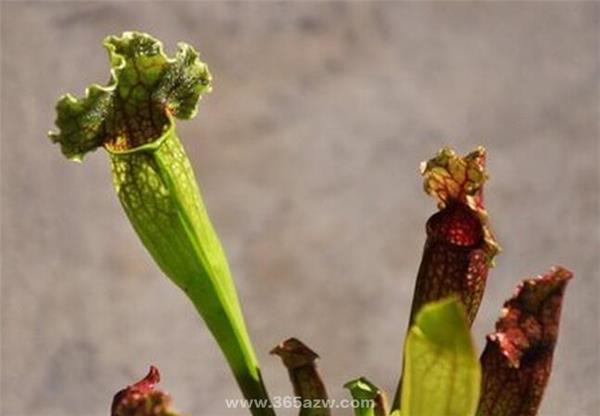
Seedling-raising method:
The pitcher plant needs to be sown and raised in a seedling box or plug tray, and the seedling box or plug tray should be placed in a greenhouse or small arched shed to increase the germination rate; it is not suitable to raise seedlings in the open field.
The above is a relevant introduction to pitcher plant cultivation. I hope it is helpful to you.