What are the benefits and effects of lemongrass? A detailed explanation in one article
Lemongrass can be used not only as a spice but also has high medicinal value. What are its benefits and effects? Let's take a detailed look below.
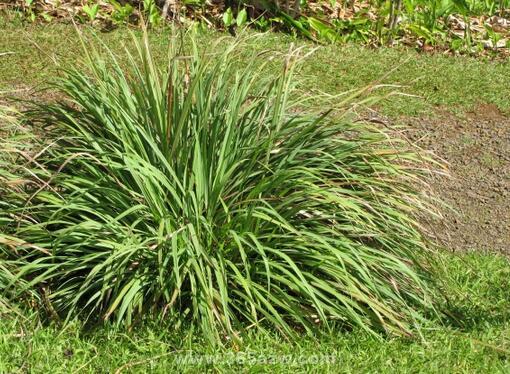
The whole plant of lemongrass, also known by the alias Bao Mao, is a perennial herb. The stems grow in clumps, are slender and weak, grayish green to dark green on the outside, sometimes tinged with purple, with swollen nodes. The leaves are narrowly linear, sometimes rolled outward at the edges, hairless on both sides, covered with white powder; the leaf sheaths are hairless, often broken and rolled inward at the base, pale red on the inside; the ligule is bluntly rounded, membranous, with an irregularly split tip. It has a distinctive aroma and a pungent taste, with a cooling, numbing sensation on the tongue when chewed. The best quality is grayish green in color, thick and sturdy, with many leaves and a strong aroma.
Benefits and effects of lemongrass:
1. Physiological uses.
Used for colds, night sweats, hyperhidrosis, deficiency cold, headache, migraine, neuralgia, acne and skin infections. (Best results when made into a spray.)
2. Antiviral effect.
The widespread use of lemongrass as a spice and tea beverage has sparked scientists' strong interest in the properties of this plant. A 1996 study found that lemongrass can resist many types of bacteria and fungi, and can prevent some strains from mutating and resisting antimicrobial treatment.
3. Antifungal.
Lemongrass can also be used as an antifungal medicine to treat ringworm of the hands and athlete's foot. Lemongrass extract can be applied to open wounds, because its antibacterial effect can prevent serious infection. In addition, it can serve as a natural deodorant against body odor caused by bacteria.
4. Relieving physical discomfort.
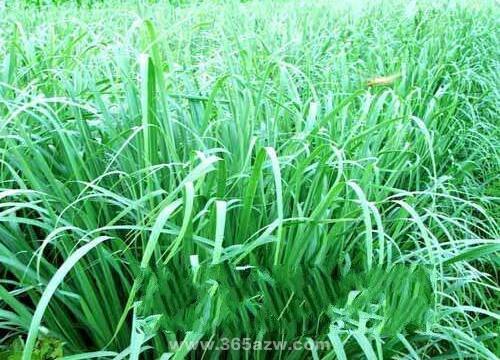
Fresh lemongrass leaves can also be boiled in water; when ingested, they can relieve bloating, constipation, diarrhea and other digestive discomforts. Fever patients can also drink some lemongrass to induce sweating and help cool the body. Other conditions that can be relieved by drinking lemongrass-infused water include colds, flu, vomiting and high blood pressure. Lemongrass tea is also believed to help eliminate toxins from the body.
5. Therapeutic effects. It can be used for throat infections and inflammation. It can relieve depression, migraine, neuralgia, night sweats and stress-induced symptoms. It can treat rheumatism and migraine, fight infection, and improve digestive function.
6. External medicine.
As an external medicine, lemongrass extract can relieve pain and is especially beneficial for rheumatism, neuralgia and sprains. Continuously rubbing it on the skin can promote blood circulation, reduce inflammation and irritation, and even reduce cellulite. The antibacterial properties of this herb also make it effective in treating acne, rosacea and insect bites.
7. Pain-relieving effect. Because it contains citral, it has disinfecting, sterilizing and neuralgia- and muscle-pain-relieving effects, and is therefore known as the "pain-killing swordsman."
8. Beauty benefits. It helps improve acne, blisters, dandruff and inflammation. It can also improve oily skin and oily hair. For women, it also has diuretic effects, helps prevent anemia and moisturizes the skin, making it an indispensable herb for women's beauty care. As for its side effects, because lemongrass has a strong aroma, pregnant women should not use it.
How does lemongrass repel mosquitoes?
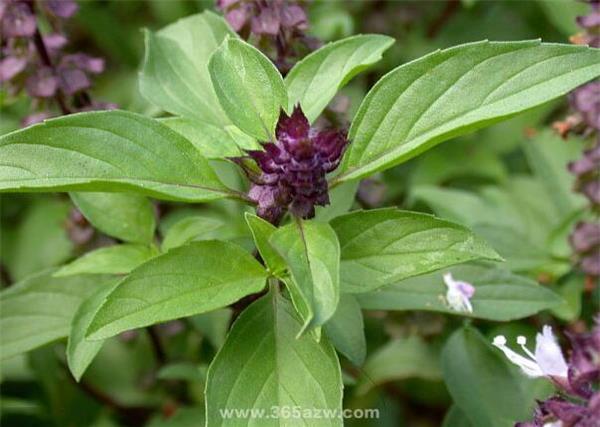
Lemongrass mainly grows in India and Latin America. The components of this plant are widely used in the cosmetics manufacturing industry and in the production of soap and skin care products. Lemongrass oil is extracted and obtained by distilling dried grass, and its scent is like a combination of fruity aroma and lavender. Its insect-repellent effect is remarkable, and it is often used as an indoor aromatic. Lemongrass essential oil is a very good air freshener; whether it is paint smell, cooking fumes, rancid odor, fishy smell, etc., it can be used to remove them, and it can also inhibit mold activity. It can also be used as an insecticide, mosquito repellent and soap fragrance, with a very wide range of uses.
Lemongrass oil is a fairly well-known insect-repellent essential oil, and it is harmless to the human body. Its scent is warm, and it is especially recommended for use as an indoor incense to repel insects. It can also be used to repel fleas and parasites on pets. However, lemongrass oil does not work by killing mosquitoes and insects; lemongrass oil has no harmful effect on them. It is simply that the smell of lemongrass oil is one of the odors insects dislike most, and mosquitoes and insects all keep their distance from it. Therefore, the smell of lemongrass oil can disperse insects, making them afraid to come close and lose their ability to attack.
Diluted alone at a ratio of 1 drop of lemongrass essential oil to 1 milliliter of clean water, it can be widely used for environmental cleaning, insect prevention and disinfection, and odor improvement, and can be sprayed on homes, clothing, shoes and socks, or pets. As a base oil for mosquito repellent, add 5 drops, and it can be blended with lavender essential oil, palmarosa, verbena essential oil, etc., with good mosquito-repellent effect.
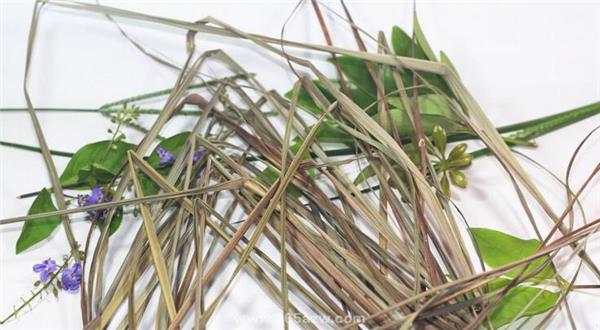
That is all for the introduction to the benefits and effects of lemongrass. I hope everyone enjoys today's article.
That is all for the introduction to the benefits and effects of lemongrass. I hope everyone enjoys today's article.