How to grow Spathiphyllum kochii? A detailed guide to cultivation methods
Spathiphyllum kochii is what we commonly call the peace lily. This plant can be propagated in many ways. Today I will give you a detailed introduction to how to grow Spathiphyllum kochii.
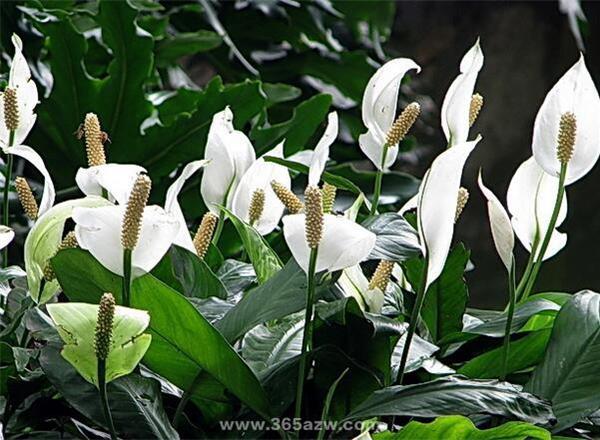
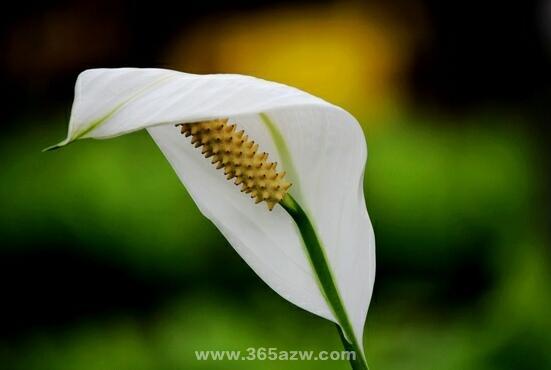
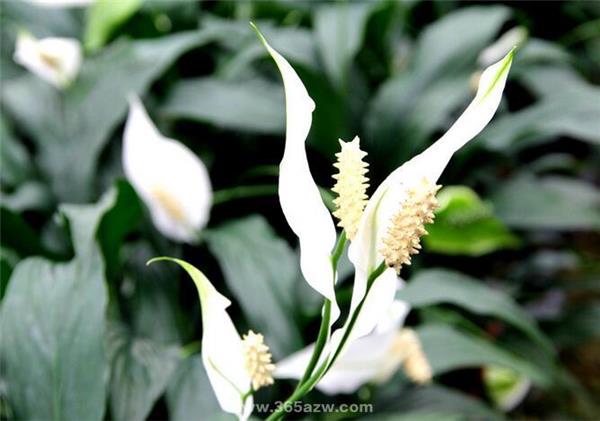
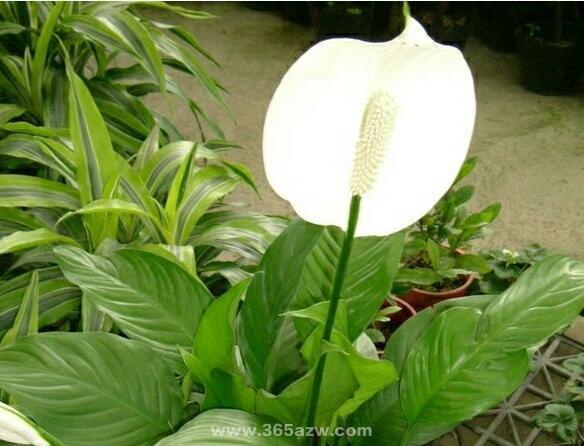
Spathiphyllum kochii, also known as peace lily, spathe leaf taro, and "smooth sailing." Latin name: Spathiphyllum kochii Engl. et Krause. It is a perennial herbaceous plant of the Araceae family and the genus Spathiphyllum. With its emerald green leaves and pure white spathes, it is very fresh and elegant, and is an important ornamental flower in the world. It is also an expert at filtering indoor stale air, and has certain effects against ammonia, acetone, benzene and formaldehyde. It began to be used for potted ornamental purposes in the early 20th century, and by the 1980s it was already very popular in Europe, where Spathiphyllum kochii was regarded as the flower of innocence, carrying the meaning of purity, calm, peace and well-being.
Is Spathiphyllum kochii toxic? Although Spathiphyllum kochii can be grown indoors, its leaves and stems are still toxic, and Spathiphyllum kochii belongs to the Araceae family. Most plants in the Araceae family are toxic, so as long as you do not eat it, you will not be poisoned. However, families with small children should still be cautious about growing it, to avoid small children eating it by mistake.
The suitable growth temperature for Spathiphyllum kochii is 22-28°C, from March to September 24-30°C, and from September to March of the following year 18-21°C, with the winter temperature not lower than 14°C. When the temperature is below 10°C, plant growth is hindered and the leaves are prone to cold damage. Spathiphyllum kochii is afraid of strong light and scorching sun, and in summer it needs 60%-70% shading, but long-term insufficient light makes it difficult to bloom. 500 lux is suitable.
Propagation methods of Spathiphyllum kochii
Spathiphyllum kochii is commonly propagated by division, sowing and tissue culture.
Division propagation
It is best carried out in May-June. Lift the whole plant out of the pot, cut the rhizome apart from the base of the clump, with each clump having at least 3-4 leaves, and after separate planting place it in semi-shade to recover.
Seed propagation
After flowering, seeds can be obtained through artificial pollination. After collecting the seeds, they must be sown immediately. The germination temperature is 30°C, and they germinate 10-15 days after sowing. If the temperature is too low during germination, the seeds are prone to rotting.
Tissue culture propagation
In the late 1970s and early 1980s, tissue culture propagation of Spathiphyllum kochii had already begun in the United States and Germany. Young inflorescences and lateral buds are used as explants, and after disinfection they are inoculated on MS medium supplemented with 10 mg/L 6-benzylaminoadenine and 2 mg/L indoleacetic acid, and after 40-45 days callus tissue and adventitious buds grow. The adventitious buds are then transferred to MS medium supplemented with 2 mg/L indoleacetic acid, and after 30-40 days roots are induced, becoming complete plants.
Disease control of Spathiphyllum kochii
Damage to leaves
Spathiphyllum kochii commonly suffers from bacterial leaf spot, brown spot and anthracnose that damage the leaves, and can be sprayed with a 500-fold solution of 50% carbendazim wettable powder. There are also occurrences of root rot and stem rot. Besides paying attention to ventilation and reducing humidity, use a 750-fold solution of 75% chlorothalonil wettable powder for control.
Scale insects
Sometimes scale insects and red spider mites cause damage, and a 1500-fold solution of 50% malathion emulsifiable concentrate is used for spraying and control.
Control methods
The methods are wiping with a rag, spraying a 500-fold solution of essential balm or washing powder, and spraying methidathion, lice scale ning, Guoguang jieke and so on for control, all with good results. Generally, poor ventilation is the main cause of inducing this pest. Scale insects suck the sap of ornamental plants and generally do not move; wiping them off kills them, which is the most environmentally friendly method, but they must be wiped clean. Note that after spraying to kill them, dead scale insects also do not fall off. Afterwards, ventilation management should be strengthened, which is the best way to prevent pests and diseases.
The above is the relevant introduction to growing Spathiphyllum kochii. I hope everyone will like today's article.