What are the effects and actions of Maqianzi (Strychnos nux-vomica)?
Maqianzi (Strychnos nux-vomica) is a traditional Chinese medicinal plant that is very helpful for treating certain human diseases. What are its effects and actions?
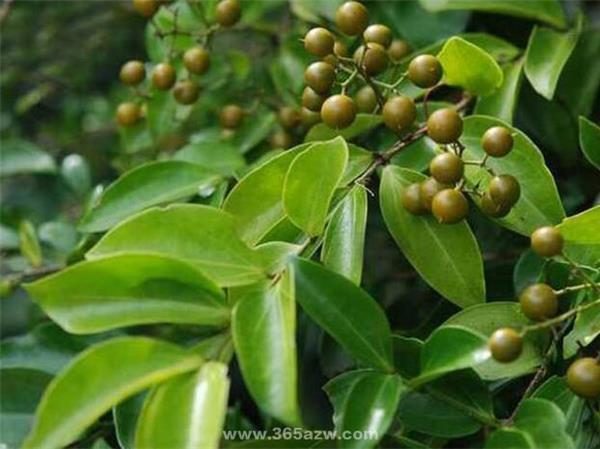
Maqianzi (Strychnos nux-vomica) is a plant that many people do not know about. Such a plant is of great help in treating diseases, and it is also relatively simple to use. Therefore, choosing it also needs to be based on one's own needs. Maqianzi appeared a very long time ago, and it is also recorded in the Compendium of Materia Medica. Maqianzi has quite many effects and actions and can treat diseases well.
Effects on the nervous system
It mainly acts on the spinal cord, excites its reflex function, and makes nerve impulses easy to conduct between neurons. It also has the effect of exciting the brain, causes sensitivity in the functions of various sensory organs, can awaken patients in an inhibited state, and regulates the excitation and inhibition processes of the cerebral cortex.
Effects on the digestive system
Direct testing through patients' intestinal fistulas proves that strychnine has no excitatory effect on human smooth muscle. Its only effect on the digestive tract is that oral administration can promote the secretion of digestive juices.
Effects on the respiratory system
The effect of brucine is 1/8 that of strychnine. It is reported that it has a relatively strong antitussive effect on cough in mice caused by ammonia water and SO2. Its strength exceeds that of codeine, and its expectorant effect is similar to that of ammonium chloride. When the medication time is prolonged and the dosage is increased, it can enhance the antihistamine-induced asthma resistance in rabbits.
Increases muscle tension

The strychnine in Maqianzi can increase the tension of striated muscle, smooth muscle and cardiac muscle.
Antibacterial effect
It has an inhibitory effect on Haemophilus influenzae; it also has an inhibitory effect on common pathogenic dermatophytes.
Toxic effects
Overdose can cause tonic convulsions. Death finally occurs due to respiratory paralysis. This product has a strong affinity for the central system and is difficult to dissociate. Continuous use of therapeutic doses can cause cumulative poisoning.
Symptoms of Maqianzi poisoning:
Mild: headache and dizziness, numbness of the tongue, tightness of the lips, mild twitching of the whole body's muscles, and mild mental and neurological disturbance.
Moderate: In severe cases, tonic spasms of the whole body's muscles, opisthotonus, locked jaw, sardonic grin, staring eyes, gradually progressing to cyanosis, dilated pupils, and accelerated pulse may be seen. In addition, there are atypical clinical manifestations, such as tinnitus, deafness, and bilateral facial nerve paralysis.
In severe poisoning cases, it can cause sudden cardiac arrest and death.
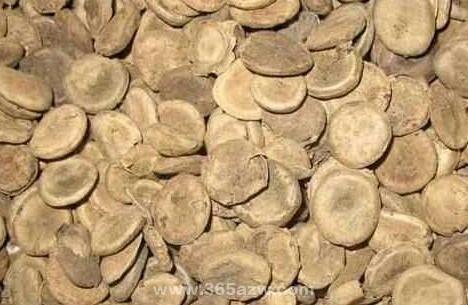
Detoxification:
Mild anesthesia with ether or intravenous injection of drugs such as pentobarbital sodium, as well as chloral hydrate enema, can be used to stop convulsions. After the convulsions stop, if it is considered that there is still residual poison in the stomach, a potassium permanganate solution can be used for gastric lavage.
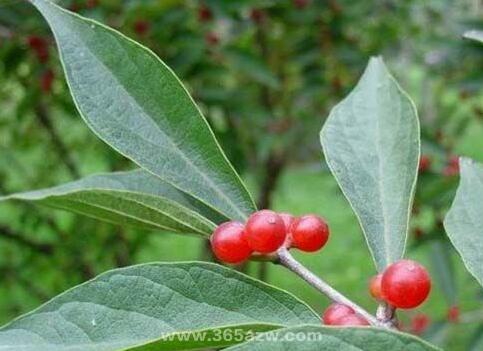
The above is the relevant introduction to the effects and actions of Maqianzi (Strychnos nux-vomica). I hope it is helpful to you.