What are the effects and actions of Zhaoshanbai? A detailed introduction in one article
Zhaoshanbai is a medicinal plant. What are its effects and actions? Here is an introduction for everyone.
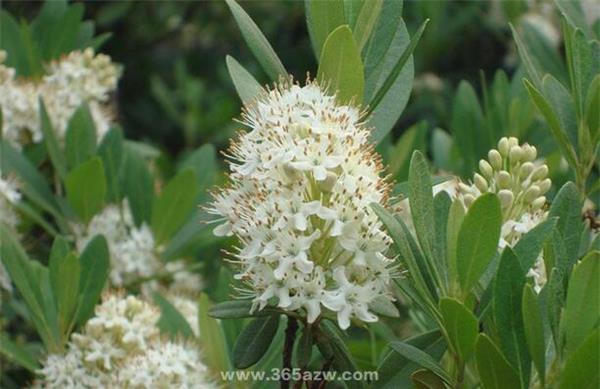
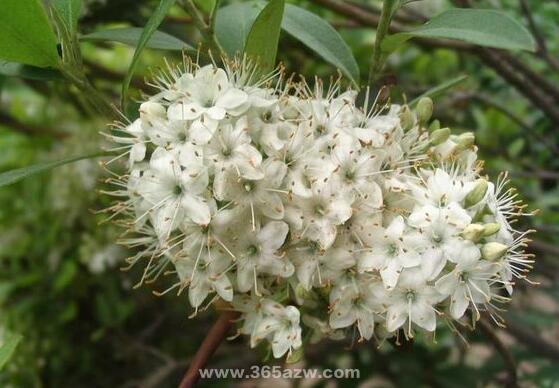
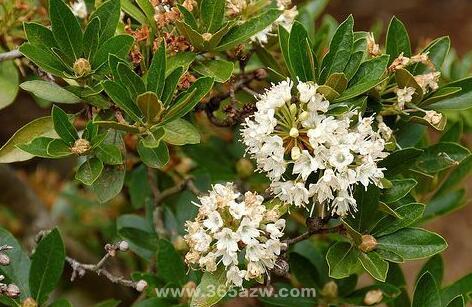
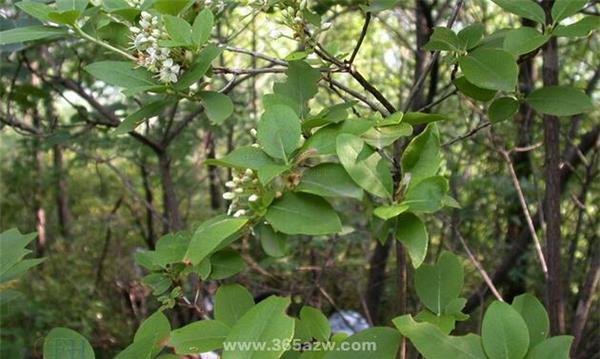
Zhaoshanbai, a semi-evergreen shrub, up to 2 m tall. Branchlets brown, leaves alternate, leathery, elliptic-lanceolate or narrowly ovate. Flowers densely arranged in racemes, corolla campanulate and white, flowering period May to July. Fruiting period July to September. It prefers shade, likes acidic soil, is drought-tolerant, cold-tolerant and barren-tolerant, with strong adaptability. The branches are relatively slender, and the flowers are small and white, endearing, and can be planted in courtyards and parks for ornamental viewing. The branches and leaves are used as medicine, with effects of dispelling wind, dredging collaterals, regulating menstruation and relieving pain, and resolving phlegm and relieving cough. However, it must be detoxified and rectified before use.
The dietary or medicinal value of Zhaoshanbai
Medicinal value
The branches and leaves are used as medicine, with effects of dispelling wind, dredging collaterals, regulating menstruation and relieving pain, and resolving phlegm and relieving cough. However, it must be detoxified and rectified before use.
Medicinal material source
The branches and leaves of Zhaoshanbai are used as medicine. Medicinal material collection: harvested in summer and autumn, sun-dried.
Medicinal material characteristics: the leaves are mostly revolute, some broken; after complete leaves are flattened, they are long elliptic or oblanceolate, 2 to 5 cm long, 0.6 to 1.5 cm wide. Entire margin; upper surface dark green or brownish, with white glandular scales; lower surface pale yellow-green, densely covered with pale brown glandular scales; petiole 2 to 5 mm long, leathery. Branch tips cylindrical, with a short raceme at the apex, externally covered with many pale brown ovate bracts. Aromatic odor, slightly bitter taste. Slightly pungent. Flowers are best when bright, dry and clean. Branches and leaves are best when dry, clean and collected in summer and autumn.
Treatment of postpartum joint pain
With syrup or tablets made from the branches and leaves of Zhaoshanbai, 108 cases were treated, 41 cases cured (accounting for 38%), 18 cases basically cured (accounting for 17%), and 25 cases markedly effective (accounting for 23%). Medication lasted 17 to 200 days, with most taking 50 to 100 days. This medicine has therapeutic effects on both new-onset and chronic patients. Usage: the syrup contains 1 g of crude drug per milliliter, 5 ml each time, taken twice a day; each tablet is equivalent to 2.5 g of crude drug, 2 tablets each time, taken twice a day. During medication, avoid eating raw and cold foods. Pregnant women should not take it. Excessive dosage can cause poisoning.
Treatment of chronic bronchitis
With Zhaoshanbai leaf syrup (containing 1 g of crude drug per milliliter) 10 ml, taken twice a day (total amount 20 g), 225 cases were treated; with Zhaoshanbai leaf extract tablets, the daily amount equivalent to 20 g of crude drug, taken in 2 divided doses, 79 cases were treated. The course of treatment for both was 25 days. Among the 304 cases in the two groups, those controlled within a short period included 36 cases of simple type and 10 cases of asthmatic type aged over 50; 27 cases of simple type and 8 cases of asthmatic type aged under 50. Those markedly effective included 35 cases of simple type and 35 cases of asthmatic type aged over 50; 38 cases of simple type and 25 cases of asthmatic type aged under 50. Side effects: mainly lowered blood pressure and slowed heart rate; 15% of patients had mild heartburn, dry mouth and other gastrointestinal reactions, which did not require stopping the medication and disappeared on their own after 3 to 5 days. A small number of patients could experience dizziness, numbness of the hands and feet, weakness, and easy sweating, but this did not affect work. In addition, 3 cases of poisoning were found; 1 case had taken the therapeutic dose only once, and 2 cases had taken an overdose on an empty stomach (15 to 20 g in one dose). All developed poisoning symptoms about half an hour after taking the medicine and reached the peak at 1 hour. The manifestations were frequent sneezing, neck pain, weak legs, cold sweats, xanthopsia, blurred vision, slow and weak pulse or arrhythmia, and decreased blood pressure; in severe cases, it could drop sharply to a state of shock. During rescue, the use of various pressor drugs can save the patient.
Treatment of hypertension
With 20% Zhaoshanbai tincture, start with 5 ml each time, then gradually increase, with a maximum of no more than 15 ml each time, taken 3 times a day after meals. 2 weeks is one course of treatment, and 1 to 4 courses can be given continuously as needed. In 200 observed cases, the total effective rate for lowering blood pressure was 74%. The therapeutic effect was better in those who were younger, had a shorter course of disease and milder condition, and poorer in the opposite cases. Apart from mild nausea and reduced appetite in a few cases, no obvious toxic effects on the myocardium, liver, kidneys and other organs or other side effects were found within the prescribed therapeutic dose. If the prescribed dose is exceeded, blood pressure may drop sharply and hypotensive shock may occur.
That is all for the introduction to Zhaoshanbai today. I hope everyone will like the article shared today.