What are the benefits and effects of Buddleja officinalis flowers? A detailed guide
Buddleja officinalis flowers are very good for regulating the body. What are the benefits and effects of Buddleja officinalis flowers? Here is an introduction.
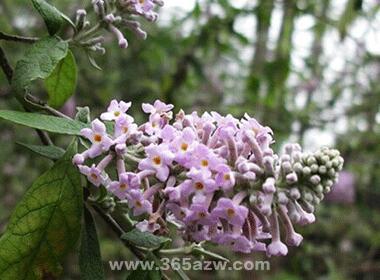
Benefits and effects of Buddleja officinalis flowers:
First: Nourishes the liver and brightens the eyes
Besides its effect on the liver, drinking Buddleja officinalis flowers steeped in water is also very good for eye health. In daily life, if you have red, swollen and painful eyes, tearing, or photophobia, it is recommended to decoct Buddleja officinalis flowers together with goji berries and chrysanthemum flowers and take it; the effect is very good.
Second: Cools the blood and clears heat
The benefits of Buddleja officinalis flowers also include clearing heat, cooling the blood and dispelling wind, making them especially suitable for patients with upward flaming of fire caused by insufficient sweet yin and wind-heat. If you have blurred vision and swollen eyes, you can use Buddleja officinalis flowers together with chrysanthemum flowers and mulberry leaves in a scientific way, which can provide very good health care for the body.
Third: Clears the liver and removes eye cloudiness
Buddleja officinalis flowers have very good health-care and therapeutic effects on the liver, and the health of the liver is directly related to the daily condition of the eyes. If the liver is unhealthy, the eyes will also show abnormal conditions, so if you want to thoroughly cure problems such as eye swelling, pain and tearing, you need to promote liver health; only in this way can the disease be thoroughly cured. If you have eye discomfort caused by liver problems, you can take Buddleja officinalis flowers together with cicada slough and Eriocaulon buergerianum; the effect is remarkable.
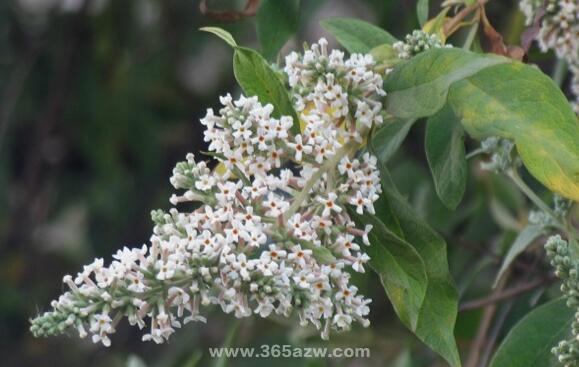
Fourth: Protects the liver
The most important benefit of drinking Buddleja officinalis flowers steeped in water is liver protection. The extract of this Chinese medicinal herb can effectively inhibit toxic damage in liver cells. Buddleja officinalis flowers contain certain phenylpropanoid phenolic glycosides and buddleoside; after entering the body, both of these substances can exert certain antioxidant activity and have a very good health-care effect on the liver.
Fifth: Anti-inflammatory
Through experiments, scientists found that after Buddleja officinalis flowers enter the body of mice, they stimulate the permeability of the skin and abdominal capillaries; in addition, they also have a certain inhibitory effect on edema caused by formaldehyde. The luteolin and the flavonoid acacetin contained in Buddleja officinalis flowers both have very significant anti-inflammatory effects, so in daily life, if you want to suppress or prevent inflammation, you can use Buddleja officinalis flowers.
Sixth: Relieves spasms
In daily life, if the body has spasms, Buddleja officinalis flowers can be steeped in water and taken; this medicinal herb has a certain antispasmodic effect. There are many factors that cause body spasms in daily life, especially acetylcholine, barium chloride and histamine, which easily cause body spasms. Using Buddleja officinalis flowers can have a certain therapeutic effect, and it also has the effect of promoting bile secretion.
Seventh: Diuretic
The acacetin and Huai west iridoid glycosides contained in Buddleja officinalis flowers all contain certain diuretic substances, and after being taken they have a very good health-care effect on the body.
Eighth: Other
There are quite a few benefits of drinking Buddleja officinalis flowers steeped in water. In addition to the seven effects introduced above, using this medicinal herb in daily life can also provide a certain antioxidant effect and antibacterial effect. This is because Buddleja officinalis flowers are rich in phenylpropanoid phenolic glycosides and luteolin, among others, and have a certain health-care effect on the body.
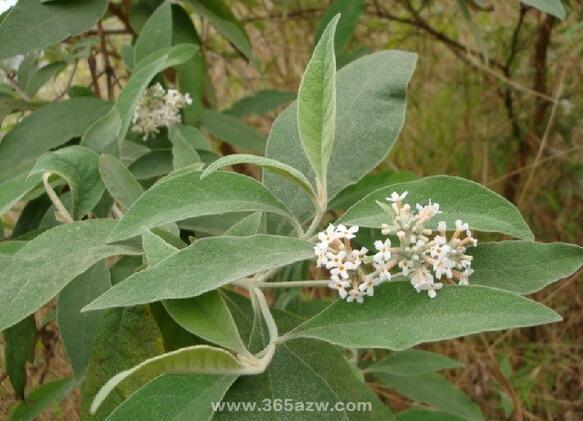
Buddleja officinalis flowers, the rice-dyeing flower for making golden-yellow glutinous rice
There is also such a legend about the custom of the Dai people in Xishuangbanna, China liking to use Buddleja officinalis flowers to make yellow haoleng. Long ago, a family had a Buddleja officinalis tree two zhang tall growing in their courtyard. On the balcony of this house. On one side she washed rice and vegetables. On one day when the Buddleja officinalis flowers were in full bloom, she placed the earthenware basin soaking the glutinous rice on the balcony under the tree.
At night, a strong wind blew, and many branches and flowers of the Buddleja officinalis were blown down by the wind, and one branch of Buddleja officinalis flowers happened to fall into the earthenware basin. In the early morning of the next day, when the hostess washed the rice, she picked the flower branch out of the basin, but quite a few Buddleja officinalis flowers still remained in the rice. She put the rice in a wooden steamer to steam. After the rice was steamed, bursts of a special fragrance drifted out. When the hostess lifted the lid of the wooden steamer and looked, she was stunned, discovering that the usual white rice had turned into yellow rice, and its smell was also much more fragrant than usual. The whole family was overjoyed, and after eating it, everyone praised it endlessly. From then on, this family used Buddleja officinalis flowers to soak rice and steam glutinous rice. After this matter spread from one to ten and from ten to a hundred, the local people all knew that Buddleja officinalis flowers could be used as a dye for glutinous rice. The rice-dyeing flower is also a symbol used by Dai sons and daughters to express unwavering loyalty in love.
Using Buddleja officinalis flowers to dye glutinous rice yellow is extremely simple: just place a bundle of collected Buddleja officinalis flowers in water and soak them together with the rice, and the rice steamed from it will naturally turn golden yellow and carry a special fragrance; this kind of glutinous rice is even more refreshing. Because the golden-yellow haoleng is the same color as the kasaya worn by monks in Buddhist temples, the Dai people and other ethnic minorities use it during Qingming Festival to dye golden-yellow glutinous rice to memorialize their ancestors, expressing respect and remembrance for their loved ones. The Dai people and other ethnic minorities mostly use it to dye glutinous rice; the dyed glutinous rice is golden yellow, translucent and aromatic, so it is called the rice-dyeing flower. During Qingming Festival, they are accustomed to dyeing glutinous rice to memorialize their ancestors! Or when making zongzi at Dragon Boat Festival, it expresses remembrance of loved ones! It is also a symbol used by Dai sons and daughters to express unwavering loyalty in love.
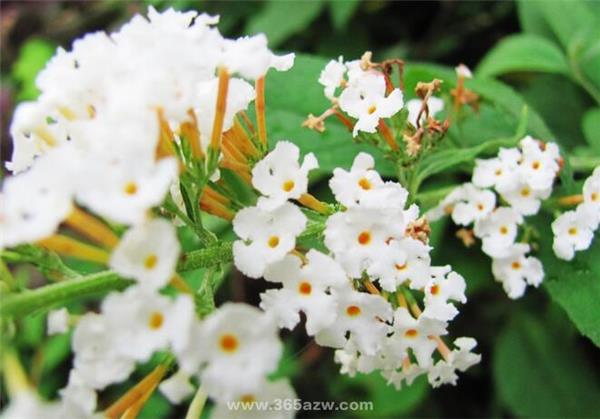
The above is the relevant introduction to the benefits and effects of Buddleja officinalis flowers. I hope it is helpful to you.
The rice steamed from it will naturally turn golden yellow and carry a special fragrance; this kind of glutinous rice is even more refreshing. Because the golden-yellow haoleng is the same color as the kasaya worn by monks in Buddhist temples, the Dai people and other ethnic minorities use it during Qingming Festival to dye golden-yellow glutinous rice to memorialize their ancestors, expressing respect and remembrance for their loved ones. The Dai people and other ethnic minorities mostly use it to dye glutinous rice; the dyed glutinous rice is golden yellow, translucent and aromatic, so it is called the rice-dyeing flower. During Qingming Festival, they are accustomed to dyeing glutinous rice to memorialize their ancestors! Or when making zongzi at Dragon Boat Festival, it expresses remembrance of loved ones! It is also a symbol used by Dai sons and daughters to express unwavering loyalty in love.
The above is the relevant introduction to the benefits and effects of Buddleja officinalis flowers. I hope it is helpful to you.