What are the effects and benefits of Ophiopogon japonicus? Read this one article to understand
Ophiopogon japonicus is a common health-care plant, and it has a good regulating effect on certain diseases of the body, and Ophiopogon japonicus can be eaten directly. What are the effects and benefits of Ophiopogon japonicus? Next, I will introduce them to everyone.
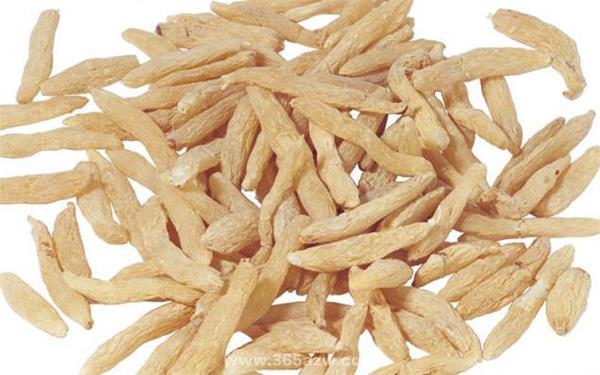
Can people with constipation eat Ophiopogon japonicus?
In fact, Ophiopogon japonicus can also be helpful. When we treat those with yin deficiency and intestinal dryness, and hard bound stools, so it can play a certain relieving role in treating constipation. Of course, patients with constipation can certainly eat Ophiopogon japonicus, but to better solve these problems, it is also relatively important to eat more foods rich in dietary fiber in the usual diet.
Clearing the heart and relieving restlessness
Suitable for syndromes of internal heat disturbing the heart, warm disease pathogenic heat entering the nutrient aspect, with symptoms such as body heat worse at night and restlessness. It is also suitable for those with heat damaging qi and yin, heart vexation and thirst, sweating and bodily fatigue. For those with insufficient heart yin, heart vexation and insomnia, and a red tongue with little coating.
Nourishing yin and moistening the lungs
Mainly treats symptoms such as yin deficiency and lung dryness, dry cough, dry cough, and cough with blood due to consumptive heat
Benefiting the stomach and promoting fluid production
Good for treating syndromes such as insufficient stomach yin, dry tongue and thirst, and poor appetite without hunger. In addition, it can also be used to treat those with yin deficiency and intestinal dryness, and constipation.
Although constipation is not a big problem, if it is not actively relieved and treated, it may also bring many adverse effects to your health. At the same time, it will also bring some obstacles to your life and work, so I hope everyone can pay attention to their daily diet and living habits.
What are the contraindications of Ophiopogon japonicus? Who is not suitable to eat Ophiopogon japonicus?

Ophiopogon japonicus has good safety in clinical use, and animal subacute toxicity experiments have proven that the drug has very low toxicity. There are reports that taking Ophiopogon japonicus causes allergic reactions manifested as nausea, vomiting, palpitations, restlessness, generalized erythema, and itching.
Ophiopogon japonicus is cold in nature and moist in quality, with a relatively good effect of nourishing yin and moistening dryness. It is suitable for disease syndromes with yin deficiency and internal heat, and dry cough with depleted fluids, and is not suitable for disease syndromes caused by spleen deficiency and impaired transportation and transformation, such as water dampness, cold dampness, phlegm turbidity, and obvious qi deficiency.
When clinically using Ophiopogon japonicus as a tonic to supplement deficiency and damage, attention should be paid to syndrome differentiation. Improper use will generate dampness and phlegm, causing adverse reactions such as excessive phlegm, bland taste in the mouth, and poor appetite. Ophiopogon japonicus should be avoided in all cases of spleen and stomach deficiency cold with diarrhea, phlegm-fluid and damp turbidity in the stomach, and sudden attack of wind-cold with cough.
Several ways to eat Ophiopogon japonicus:
Ophiopogon japonicus and bamboo leaf porridge:
[Ingredients] 30 grams of Ophiopogon japonicus, 10 grams of honey-fried licorice root, 15 grams of bamboo leaves, 100 grams of japonica rice, 6 red dates.
[Method] Decoct Ophiopogon japonicus, honey-fried licorice root, and bamboo leaves in water to obtain the juice, then add japonica rice and red dates and cook together into porridge. Editor's recommendation: Effects and benefits of Ophiopogon japonicus
[Function] Has the effects of clearing heat and relieving summerheat, and benefiting qi and harmonizing the stomach. Suitable for symptoms such as summerheat heat with thirst, shortness of breath and fatigue, and no desire to eat.
Ophiopogon japonicus and jasmine tea:
[Method] 4 jasmine flowers, 1 gram of Ophiopogon japonicus, 2 grams of hawthorn, 2 grams of green tea. After mixing, add boiling water and soak for 20 minutes, and it is ready.
[Function] Moistens the lungs and beautifies the skin, nourishes the complexion and removes spots.

Ophiopogon japonicus and Glehnia root duck soup:
[Ingredients] 6 g of Ophiopogon japonicus, 23 g of Glehnia root, 358 g of old duck, appropriate amount of salt.
[Method]
1. Put the old duck into a soup pot, pour in an appropriate amount of clean water. Boil over high heat.
2. Pour out the water and wash the old duck. Editor's recommendation: Eating methods and effects of Ophiopogon japonicus
3. Fill with clean water at one time, add Glehnia root and Ophiopogon japonicus, and boil over high heat.
4. Cook for another 5 minutes, pour into an electric stew pot, turn on the power, and stew for 2 hours.
5. Add an appropriate amount of salt for seasoning; mix well, turn off the power; put into a bowl and it is ready.
[Function] Has the effects of nourishing the heart, tonifying the kidney, benefiting the lungs, supplementing the spleen, and prolonging life. It is a excellent tonic suitable for long-term consumption.
Ophiopogon japonicus, lotus seed, and Poria cake
[Ingredients] 400 grams each of Ophiopogon japonicus, lotus seeds, and Poria, appropriate amounts of osmanthus and white sugar.
[Method] First soak the lotus seeds in warm water, and peel off the skin and remove the core, and slice the Poria. Mix Ophiopogon japonicus, lotus seeds, and Poria together, grind into fine powder, mix in osmanthus and white sugar, add an appropriate amount of clean water, make into cake blanks, and steam until cooked.
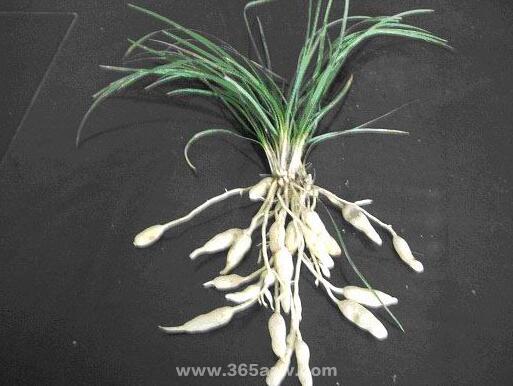
[Function] Supplementing the spleen and calming the heart.
The above is the relevant introduction to the effects and benefits of Ophiopogon japonicus. I hope everyone will like today's content.