How to grow wheatgrass? Detailed guide to cultivation methods and precautions
Wheatgrass is a very high-quality forage plant. What issues should be noted when cultivating wheatgrass? Here is a detailed introduction for everyone.
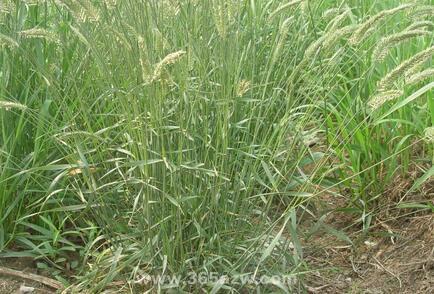
Wheatgrass is also known as wild wheat, flat-stemmed wheatgrass, and crested wheatgrass. Wheatgrass is a perennial xerophytic grass of the Poaceae family and is one of the most important forage grasses in temperate arid regions.
Wheatgrass can grow on dry grasslands, hillsides, hills, and sandy land. Because of its good quality, rich nutrition, and good palatability, all kinds of livestock enjoy eating it; and because it turns green early, it can provide green feed to grazing livestock earlier.
Wheatgrass especially possesses characteristics such as drought resistance, cold resistance, grazing tolerance, and relatively high seed production, and plays an important role in reseeding grazing land and establishing dryland artificial grasslands. Because wheatgrass roots are fibrous, densely growing, with sand sleeves and relatively deep penetration into the soil, it is also a good plant for soil and water conservation and sand fixation.
The role and value of wheatgrass
1. Edible value: Wheatgrass has soft grass quality and is one of the excellent forage grasses, with relatively high nutritional value, and is one of the plants that can be eaten.
2. Economic value: The nutritional value of wheatgrass hay is relatively poor. When young and tender, horses and sheep like it most, while cattle and camels also enjoy eating it. In arid grassland areas it is used as a fattening forage grass, but after flowering both palatability and nutritional content decrease. Wheatgrass also has relatively high digestive components for ruminant poultry. In arid grassland areas, wheatgrass is an excellent natural forage grass. Its seed yield is very high, it is easy to collect, and its germination power is very strong. Therefore, many provinces (regions) have introduced and cultivated it, and it has become an important cultivated forage grass. It can be used for both grazing and mowing; it can be planted alone or mixed with leguminous forage grasses. It can produce 100 kg of hay per mu, and the highest can produce 133.3 kg per mu. In winter the branches and leaves do not easily fall off, so it can be grazed, but because the leaf mass is relatively small, its forage value is relatively reduced.
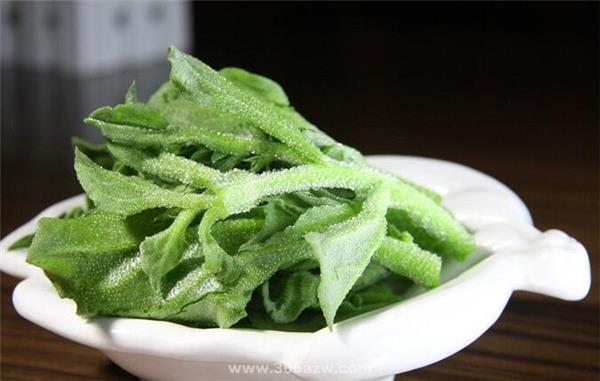
3. Greening the environment: Because wheatgrass roots are fibrous, densely growing, with sand sleeves and relatively deep penetration into the soil, it is also a good plant for soil and water conservation and sand fixation.
Cultivation methods for African wheatgrass
1. Cultivation techniques for African wheatgrass
Planting out
When the leaves have grown to the 4th--5th leaf, about 20--40 days after sowing (depending on the cultivation period), this is the suitable time for planting out. Because production areas differ, direct sowing can also be carried out. To increase the premium product rate or for long-term harvesting, seedling cultivation is suitable.
Temperature management
The suitable temperature for African wheatgrass is 20--30°C. When cultivated in summer, growth is sensitive to high temperatures.
Watering
African wheatgrass is relatively drought-tolerant, but when carrying out irrigation, water when the soil surface is dry.
Harvesting method
When harvesting African wheatgrass, use scissors to spread radially and harvest from the side branches about two months after sowing. During transport, because of low-temperature storage or use in the early morning when the temperature is low, precool after harvesting.
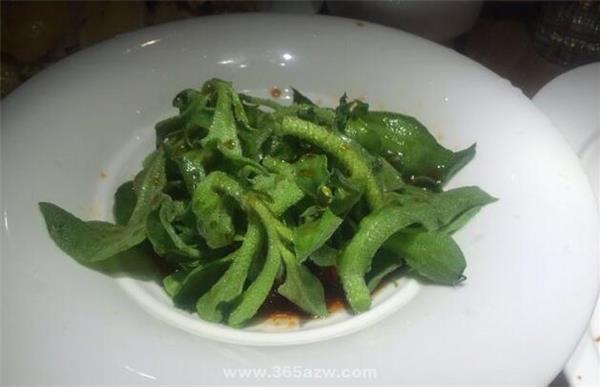
2. Propagation methods for African wheatgrass
Seed soaking
African wheatgrass seeds need to be soaked in 20-30 degree warm water for 2-4 hours before sowing.
Spot sowing
Sow one seed in a seedling tray, or sow 3 seeds at each point with 9 cm as one point. If the soil covering is thick, it will affect germination, so just cover lightly with soil. The key to better germination is that temperature management after sowing should target around 20 degrees. During low-temperature periods, use an insulated box or similar. If sowing and cultivating in autumn, it may sometimes be affected by high temperatures, and the germination rate will decrease. Please note, keep the seedling room well ventilated to lower the temperature of the seedling environment.
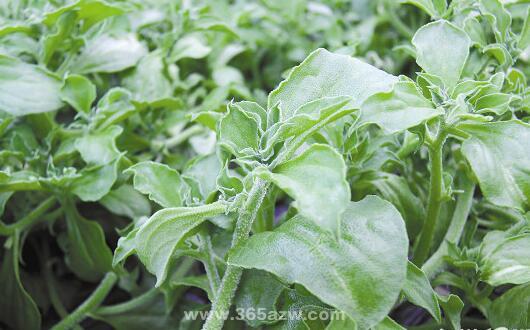
The above is the relevant introduction to wheatgrass cultivation. I hope it is helpful to you.