What are the effects and functions of Lysimachia christinae
Lysimachia christinae is a herbaceous plant, and it is mostly grown as a medicinal plant. What are the effects and functions of Lysimachia christinae? Next, we will introduce them in detail.
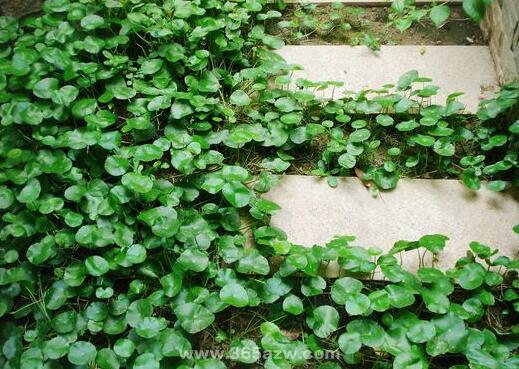
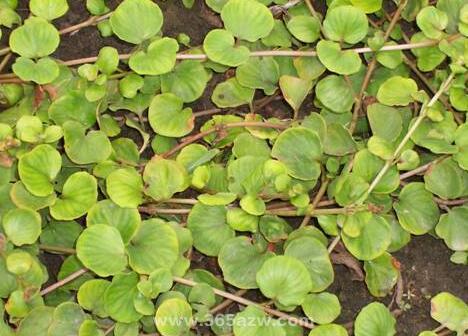
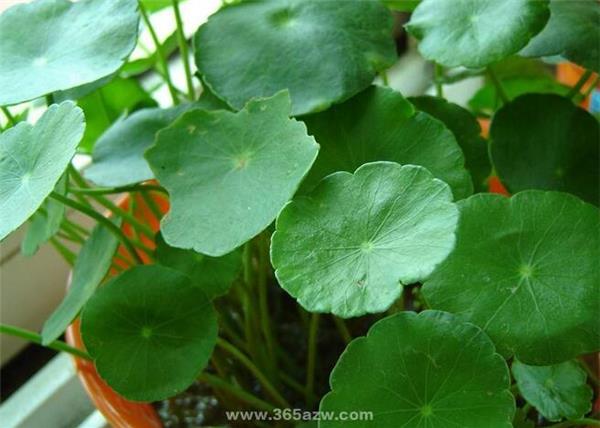
Lysimachia christinae is a small perennial herb, with slender creeping stems covered in gray short soft hairs, rooting at the nodes. The stems are slender, and the leaves are kidney-shaped to round. The sunny side of the stem is green, and the shaded side is purple.
Effects of Lysimachia christinae: clears heat and drains dampness, treats strangury, and reduces swelling. It is used for heat strangury, sand strangury, painful difficult urination, jaundice with dark urine, carbuncles, swellings, and furuncles, and venomous snake bites; hepatobiliary stones and urinary tract stones. For heat strangury, it is especially good at treating stone strangury; it can be decocted alone in a strong decoction and taken as tea, or used together with Lygodium japonicum and Gallus gallus domesticus inner membrane. For damp-heat jaundice, it can be used together with Artemisia capillaris and Gardenia jasminoides. In modern treatment of cholelithiasis, it is used in combination with Artemisia capillaris, Scutellaria baicalensis, and Aucklandia lappa.
For furuncles, swelling and toxicity, snake and insect bites, and burns, fresh Lysimachia christinae can be pounded to extract the juice for drinking, and the residue applied externally to the affected area. Functions of Lysimachia christinae: used for hepatobiliary stones and urinary tract stones, heat strangury, and jaundice. Lysimachia christinae has good effects in draining dampness and reducing jaundice and in expelling stones and treating strangury. To treat hepatobiliary stones and jaundice, this product can be decocted alone and taken as tea, or combined with Artemisia capillaris, Curcuma aromatica, and Rheum officinale to enhance the effects of clearing and draining the liver and gallbladder and expelling stones.
To treat stone strangury and heat strangury, it can also be used alone for effect or together with Lygodium japonicum, Gallus gallus domesticus inner membrane, and Pyrrosia lingua to enhance the effects of clearing damp-heat from the lower jiao and treating strangury and expelling stones; if stone strangury is accompanied by symptoms of kidney deficiency, it can be used in combination with kidney-tonifying herbs such as Taxillus chinensis and Juglans regia kernel. It is used for sore toxicity, carbuncles and swelling, breast carbuncles, erysipelas, venomous snake bites, and traumatic injuries. Lysimachia christinae has the effects of removing toxicity, dissipating blood stasis, reducing swelling, and relieving pain. Fresh products are often used internally or externally; the fresh herb can be pounded to extract juice for drinking, or pounded and applied to the affected area, and it can also be used together with Chrysanthemum indicum, Taraxacum mongolicum, and Rohdea japonica to strengthen the effects of clearing heat and removing toxicity. In addition, Lysimachia christinae is used for edema and tympanites; both internal use and external application have diuretic and swelling-reducing effects. For lung-heat cough and high fever in children, its heat-clearing and detoxifying effects are used.
Side effects of Lysimachia christinae
Lysimachia christinae is beneficial for kidney stones, but long-term use still has adverse effects on the body. Lysimachia christinae is a diuretic and strangury-treating medicine; it itself has no stone-expelling or stone-dissolving function. It only uses its diuretic and strangury-treating effect to flush out stones. Long-term use will damage healthy qi, and not only fail to expel stones, but instead affect stone expulsion and allow stones to continue forming.
Contraindications for drinking Lysimachia christinae soaked in water
Lysimachia christinae is a traditional Chinese medicine. It not only has the effect of preventing and treating stones, but also can promote diuresis and treat strangury, and its swelling-reducing and anti-inflammatory effects are also quite good. However, Lysimachia christinae cannot be taken for a long time, because if it is taken for a long time, it is very easy to damage the body's healthy qi. This will also greatly reduce its effect in treating kidney stones or gallstones, and may even make the stone condition more serious.
Not everyone's constitution is suitable for drinking Lysimachia christinae soaked in water. In general, patients with spleen deficiency or diarrhea must absolutely not take Lysimachia christinae raw or soak it in water to drink, as this can easily worsen the condition.
When purchasing Lysimachia christinae, it is best to buy it from a proper hospital. If choosing fresh Lysimachia christinae, it is best to choose the kind that is emerald green, has intact leaves, and gives off a faint delicate fragrance; this is the best.
At the same time, it should also be noted that Lysimachia christinae is cold in nature, so patients with a deficiency-cold constitution are not advised to take it for a long time, because this can easily damage the spleen and stomach. If you insist on taking Lysimachia christinae, then adding some dried ginger when taking it can effectively reduce the cold-related side effects on the body.
The above is a related introduction to the effects and functions of Lysimachia christinae. We hope everyone will like the article shared today.