How to Grow Aloe nobilis? A Detailed Guide to Its Care
Aloe nobilis is a very special plant, and it is said to glow magically. What should you pay attention to when growing Aloe nobilis? Here is a detailed introduction.
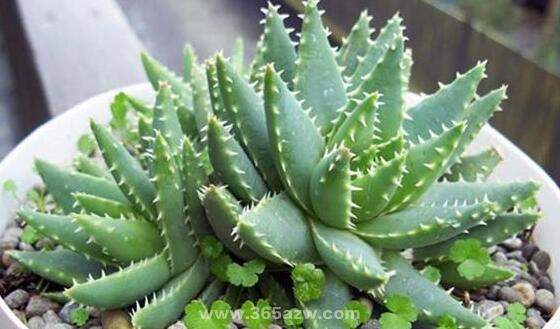
Aloe nobilis (A. loenobilis), also known as "Bu Ye Cheng", "Da Cui Pan" and "Gaoshang Aloe", is a perennial succulent herbaceous plant in the family Liliaceae, genus Aloe, blooming from late winter to early spring. Aloe nobilis also has a variegated variety called "Aloe nobilis Variegata", whose leaves have yellow or yellowish-white longitudinal stripes on both the upper and lower surfaces; the width of the stripes varies from plant to plant, and sometimes the entire leaf is yellow. Its other characteristics are the same as those of Aloe nobilis, and it is often kept as a household ornamental plant.
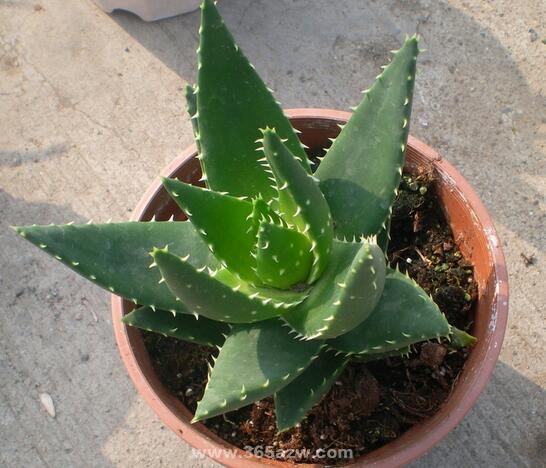
It is a perennial succulent herbaceous plant. The plant grows singly or in clumps, 30 to 50 cm tall. The succulent leaves are green and lanceolate; when young, the leaves are arranged alternately in two directions, and when mature, they are arranged in a rosette. The leaves are lanceolate, thick and fleshy, with pale yellow serrated fleshy spines along the leaf margins, and scattered pale yellow fleshy bumps on both the upper and lower surfaces. Loose racemes emerge from the upper part of the leaf rosette, with small tubular orange-red flowers that open from late winter to early spring.
Aloe nobilis is actually a type of aloe, only its form differs from that of other aloes. This aloe generally blooms in late winter and early spring, so it can usually be started in August or September. It is a perennial evergreen plant. So how should it be grown?
1. To grow Aloe nobilis well, you must first understand its habits. Like other aloes, Aloe nobilis originated in desert regions, so it likes hot weather and is relatively unsuited to cold weather. Drought tolerance is in its nature, just like the cactus; it generally will not die if you forget to water it, making it an easy green plant to keep in the home.
2. Choice of soil: Sandy soil is generally recommended, as it suits the growing environment of aloe better. If you cannot find any, you can mix your own by using half yellow mud and half sand, then just make sure the roots get ventilation.
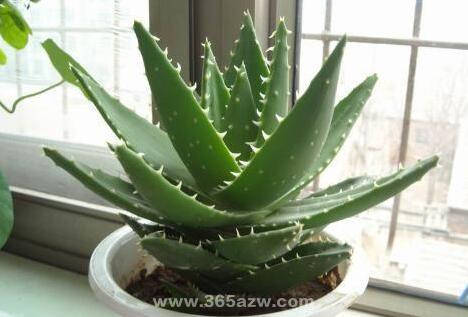
3. Adding water: Aloe is called the "Desert Iron General" because it cannot be killed by drought, and Aloe nobilis is the same, so it is better to water less than to water more. Aloe is different from some plants kept at home: as soon as there is too much water, the roots rot immediately. So the recommended watering principle is better to go without than to overdo it.
4. Light duration: Aloe is a light-loving plant, which also matches its habits, so apart from placing it in partial shade in summer, it can receive full sun during other periods. If there are many cloudy and rainy days, it is recommended to use artificial lighting to maintain its chlorophyll levels.
5. Fertilising: It can grow with little or no fertiliser, but if you want your Aloe nobilis to grow a little better, you can fertilise it appropriately.
6. Points to note: For potted aloe grown at home, it is recommended to use clay pots, because Aloe nobilis has relatively high requirements for ventilation and air permeability. Be careful not to let water accumulate, and place it in a spot with ventilation and light. If the winter temperature is kept at around 10°C, it will generally bloom. It can be repotted once every 2 years, and the best time to repot is in spring. You can mix in a little humus.
7. Propagation notes: Propagation is generally done by division; peel offshoots from the old plant and replant them. The growing method is the same as above.
Why Does Aloe nobilis Glow?
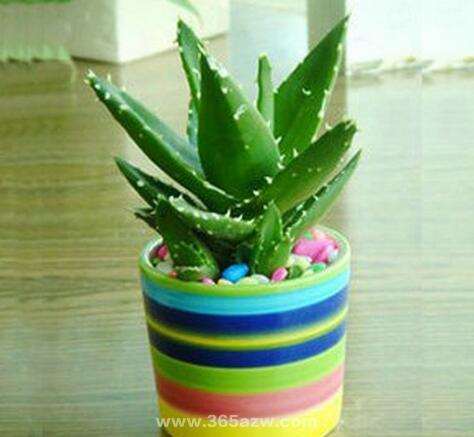
According to industry professionals, Aloe nobilis does not actually glow. The reason the so-called Aloe nobilis on the market glows is that fluorescent agent is applied to its fleshy spines, and it is often watered with water containing fluorescent agent. After such treatment, its fleshy spines will glow in a dark environment, and for a certain period, the fleshy spines on newly grown leaves will also glow. However, if the fluorescent agent later wears off or the watering with fluorescent-agent water stops, its fleshy spines will no longer glow, and the fleshy spines on new leaves will be even less likely to glow, completely reverting to an ordinary Aloe nobilis.
That is all for today's introduction to growing Aloe nobilis. I hope it is helpful to you.