How to Grow Riccia fluitans? Detailed Guide to Cultivation Methods and Care Tips
Riccia fluitans is an aquatic plant. Here is a detailed introduction on how to grow Riccia fluitans, which friends who want to cultivate it can use as a reference.
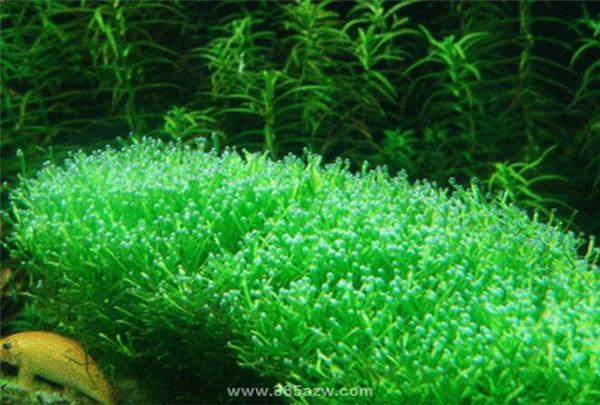
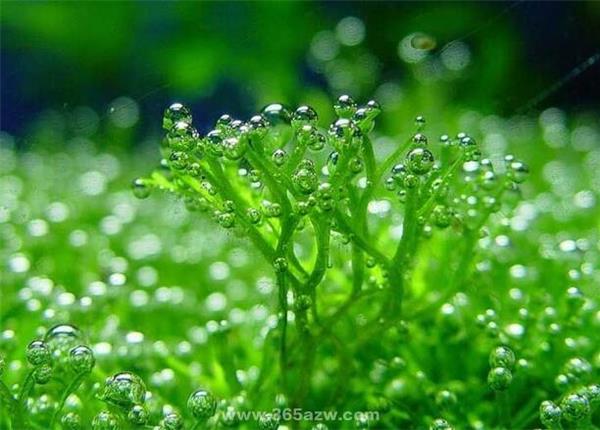
Riccia fluitans, also known as forkwort, is most endearing for the bubbles that emerge from the tips of its Y-shaped clustered fronds, transforming into a mermaid's blessing. But to see the spectacular scene of a bubble sea, strong light and sufficient CO2 are essential. It does not like soft water containing salt. Because it is a rootless, sponge-like floating aquatic plant, it is mostly fixed with a fine net or black thread onto stones of various shapes, or the entire net is placed on a large piece of driftwood. It is mostly used to create the feeling of moss in a forest; when trimming, use an angled approach and avoid damaging the growth points at the frond tips; propagate by dividing the fronds.
Riccia fluitans is a floating liverwort plant widely distributed around the world and used for aquarium decoration.
Cultivation Techniques for Riccia fluitans
Key Points for Cultivation
Generally, growing Riccia fluitans requires meeting three conditions: high lighting, carbon dioxide, and appropriate addition of liquid fertilizer. This makes it easier to see its most beautiful side - pearling. Liquid fertilizer and lighting are relatively easy to provide, but most home setups do not have a carbon dioxide system, so the only option is to strengthen lighting to help Riccia fluitans reach a better state. If lighting cannot be satisfied either, then it is recommended not to grow Riccia fluitans at all; although it will not die, it will not achieve a good state either.
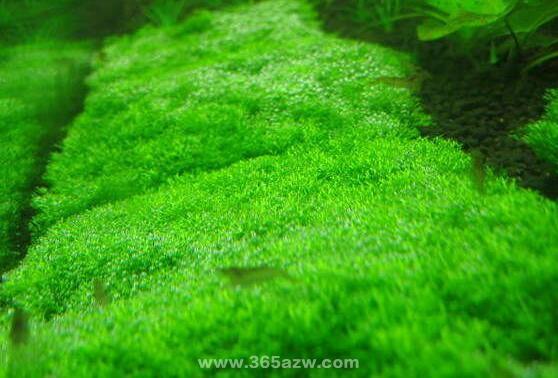
As for how to plant it, as mentioned above, use fine fishing line in a diamond cross pattern to tie it onto driftwood, stones, or aluminum (stainless steel) mesh. If ready-made nylon mesh can be purchased to replace fishing line, that is also a good choice. Because Riccia fluitans is a floating aquatic plant, after growing for a period of time, some parts will detach from the cultivation substrate and float on the water surface, so the water surface needs to be cleaned frequently. This is also the reason some people are unwilling to grow Riccia fluitans.
Cultivation Methods for Riccia fluitans
The method commonly used by cultivators is to find a square plastic plate or glass plate, put a little sand on it, then place divided Riccia fluitans on top, cover it with nylon mesh or window screening, and secure it tightly with fishing line or rubber bands before placing it into the aquarium. These methods have drawbacks such as being difficult to shape (only square shapes can be made, otherwise the mesh cannot be covered) and inconvenient separation and planting.
Step One
Cut the glass into the desired shape: for example square, round, or even a pyramid or any shape you want. Then grind and chamfer the edges to make a landscaping blank.
Step Two
Coat a clean glass surface with a layer of glass adhesive, then stick on a layer of bottom sand. It is best if the bottom sand is the same as the aquarium's bottom sand. At this time, be careful to also attach bottom sand to the edges.
Step Three
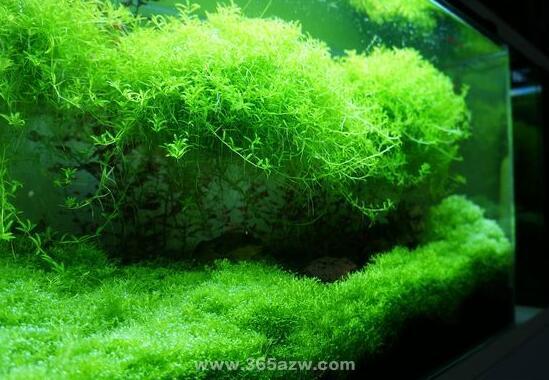
After the glass adhesive has dried completely, place divided Riccia fluitans on it and bind it well with fine transparent fishing line using a net-weaving method or directly with horizontal and straight-line techniques. At this time, because the edges of the glass blank also have fine sand, the fishing line will not slip and cause failure to secure it.
Step Four
Once placed into the aquarium, it will naturally have a very beautiful shape.
Extending this further, that is to say, we can also use this method to shape Riccia fluitans on rocks and driftwood. This will bring great convenience to our Riccia fluitans landscaping and allow us to freely create the shapes we like.
Propagation Methods for Riccia fluitans
Riccia fluitans propagates by dividing the fronds.
Riccia fluitans is mostly used to create the feeling of moss in a forest; when trimming, use an angled approach and avoid damaging the growth points at the frond tips.
The above is the relevant introduction to growing Riccia fluitans. I hope it is helpful to you.