Introduction to the Benefits of Oenothera speciosa: Get to Know This Plant
Many people may not be particularly familiar with the name Oenothera speciosa; in fact, Oenothera speciosa is evening primrose. Next, we will introduce this plant in detail.
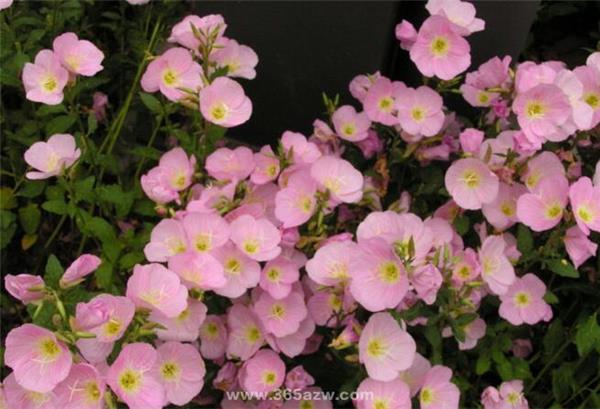
Oenothera speciosa, also known as evening primrose, Ozark sundrops, pink evening primrose, and pink showy evening primrose, Latin name: Oenothera speciosa, English name: evening primrose. It is a type of evening primrose, a perennial herb in the Onagraceae family and Oenothera genus, with a thick main root (up to 1.5 cm thick); the stems are often clustered. Because it blooms in the evening when the moon appears and withers at dawn, it is called evening primrose, but Oenothera speciosa also opens during the day. The flowers are cup-shaped, attracting white butterflies to flutter around, and are very beautiful. Planted in clumps, it creates a distinctive natural garden style.
Sow seeds in autumn or spring for seedlings. After sowing, the soil must be kept moist. About 10-15 days after sowing, the seeds will germinate. It has strong adaptability, is acid-tolerant and drought-tolerant, and has no strict soil requirements. It can generally grow in neutral, slightly alkaline, or slightly acidic loose soil, but if the soil is too wet, the roots are prone to disease.
Oenothera speciosa has wide adaptability, no strict soil requirements, and features cold tolerance, drought tolerance, barren tolerance, few pests and diseases, rapid growth to form a dense canopy, and suppression of weed growth. It is not only easy to cultivate, maintain, and manage, with low maintenance costs, but also has excellent ornamental effects and medicinal value. It is an excellent resource-saving ground cover plant and perennial flower.
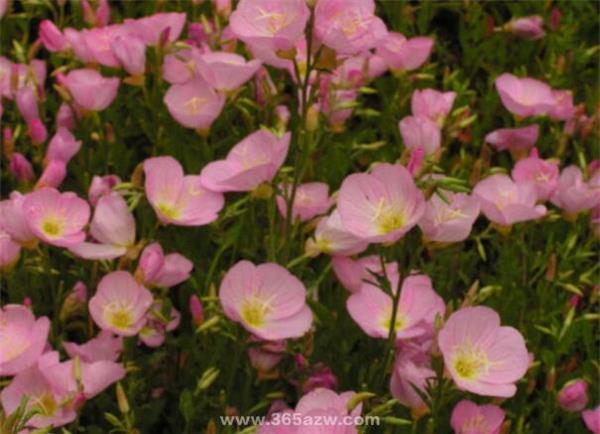
The market price of Oenothera speciosa is not expensive. Generally, a potted Oenothera speciosa costs only around ten to twenty yuan. Of course, if the flower color is better, the form is beautiful, and it is neatly pruned, the price will be a little higher, but none are very expensive. Oenothera speciosa is generally grown from seed; because of its extremely strong growth ability and ease of survival, sowing can also be chosen for planting.
Oenothera speciosa is not only beautiful in flower color but also has high economic and medicinal value. Oenothera speciosa is native to the Americas. Hundreds of years ago, Native Americans had already discovered the medicinal value of evening primrose, soaking whole evening primrose plants in warm water to make a paste-like poultice to treat bruises, and also applying it to the skin surface to treat skin trauma and dermatitis.
Medicinal Value
The root is used as medicine and has anti-inflammatory and blood pressure-lowering effects.
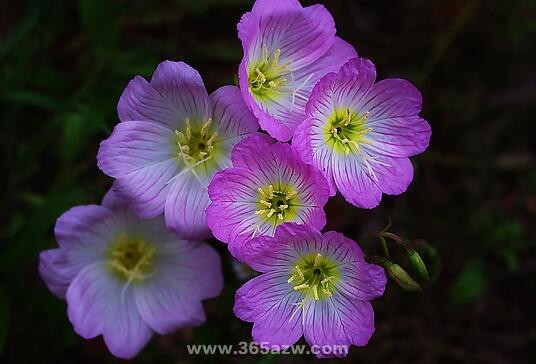
Evening primrose oil is the most important nutritional medicine discovered this century. The seeds contain 20-30% oil, of which 70% is linoleic acid and 8-9% is gamma-linolenic acid, which is essential to the human body. Evening primrose oil can treat many diseases, regulate lipid substances in the blood, and has significant therapeutic effects on coronary artery infarction, atherosclerosis, and cerebral thrombosis caused by high cholesterol and high blood lipids. It can also treat various sclerosis, diabetes, obesity, rheumatoid arthritis, and schizophrenia, among others. In laboratory studies, it has also been found to inhibit the growth of cancer cells. Clinically, the property of evening primrose oil in preventing cardiovascular blockage and lowering cholesterol is used to make special-effect medicines for the prevention and treatment of cardiovascular diseases. Evening primrose is also a good material for arranging flower beds. The flowers of fragrant evening primrose can be used to extract essence and extractum. Evening primrose oil contains a large amount of the essential fatty acid gamma-linolenic acid (GLA), whose activity is more than ten times higher than that of linolenic acid, and the diseases earliest treated with evening primrose were multiple sclerosis, atopic dermatitis, and rheumatoid arthritis.
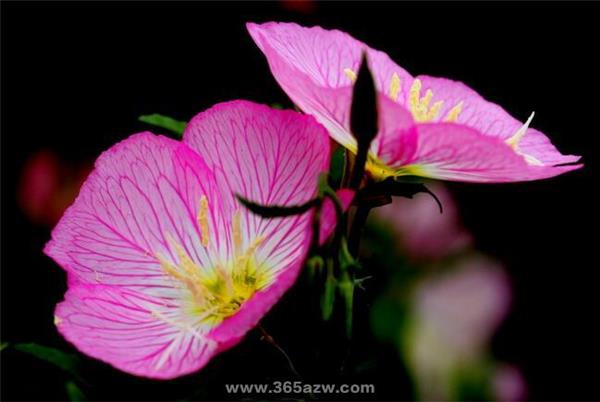
That is all for the introduction to Oenothera speciosa today. I hope it is helpful to you.