A detailed guide to Elaeagnus farming techniques, easy to understand at a glance
Elaeagnus is a plant fruit rich in nutrients. How much do you know about cultivating this plant? Next, we will give you a detailed introduction to Elaeagnus cultivation techniques.
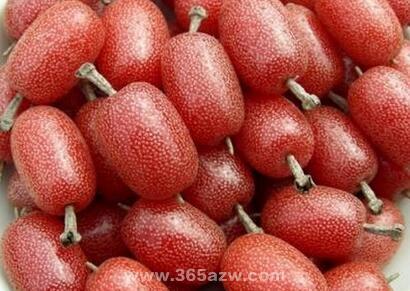
Ecological form of Elaeagnus:
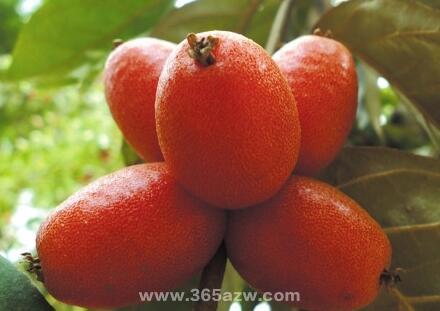
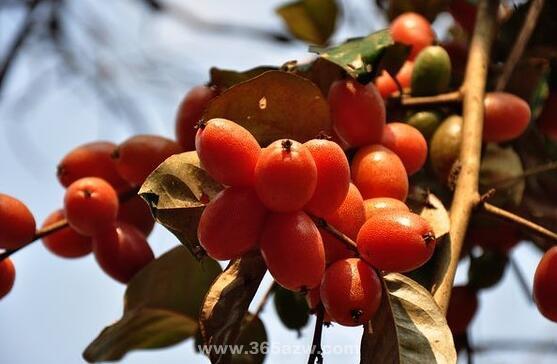
Elaeagnus climbing (Elaeagnus sarmentosa), an evergreen climbing shrub, 2-10 m long. Thornless, young branches densely covered with rust-colored scales, buds green. Leaves alternate, simple; petiole rust-colored, 10-16 mm long; leaf papery or nearly leathery, elliptic, 8-16 cm long, 2.2-6 cm wide, apex acuminate or obtuse-acuminate, base broadly cuneate, obtuse or rounded, margin entire; lateral veins 7-9 pairs, reticulate veins slightly prominent above when dried. Flowers brown, covered outside with brown scales, usually 1-3 clustered in leaf axils, pedicel 3-6 mm long; perianth tube cylindrical, 8-9 mm long, upper part 4-lobed, lobes broadly triangular, inner surface densely covered with stellate short pubescence; stamens 4, filaments very short, anthers elliptic, 1.5-1.8 mm long; style glabrous, almost level with perianth lobes. Fruit large, long elliptic, 24-26 mm long, 10-13 mm in diameter, with rust-colored scales, stone with obvious eight ribs. Flowering period October-November, fruiting period March of the following year.
Elaeagnus has relatively strong cold resistance. In the southern part of North China it can overwinter in the open field, and can endure an absolute low temperature of about minus 8°C. The suitable growth temperature is 24-34°C, and it tolerates high temperature and summer heat. Although in its place of origin it grows under sparse forests on hillsides and in shady, damp valleys, it is not afraid of sun exposure and also has fairly strong shade tolerance. It is not strict about soil and can grow in neutral, acidic and calcareous soils. It is drought-tolerant and barren-tolerant, but not waterlogging-tolerant. It has average shade tolerance and likes high temperature and humid climate; its salt tolerance, drought tolerance and cold tolerance are good, and its wind resistance is strong. It grows in mixed mountain forests and beside sunny gullies. Sometimes cultivated.
Propagation techniques of Elaeagnus
1. Sowing: In mid-to-late May each year, after harvesting the fruit, pile it up, and after a period of ripening it rots on its own, then wash the seeds clean and sow immediately. The seed germination rate is only about 50%, so the sowing rate should be appropriately increased. Use the furrow drilling method, with row spacing 15-20 cm, covering soil 1.5 cm thick, and cover with grass after sowing to preserve moisture. After sowing, summer has already begun, the temperature is relatively high, and all seedlings can emerge in a little over one month. A shade shed should be built immediately, and fertilizer should be applied 2 times that year. In early spring of the following year, divide the seedlings and transplant them, and after another 1-2 years of cultivation they can leave the nursery.
2. Cuttings: Elaeagnus cuttings are mostly taken in early April. Cut fully developed 1-2-year-old branches as cuttings, cut them into sections 12-15 cm long, retain 1-2 leaves, and insert them 5-7 cm deep into the soil. If cuttings are made in an open-field seedbed, a shade shed needs to be built; if potted, they should be kept under a shade shed. They root in about 2 months. They can continue to be grown into large seedlings in an open-field seedbed, or can be potted for cultivation.
Elaeagnus cultivation techniques
1. Afforestation: Elaeagnus has strong adaptability to the environment and a small crown, and is suitable for close planting, generally 1 x 1.5 m, 6000-7500 plants per hectare. Before planting, dig planting pits 60-80 cm in diameter and depth, use farmyard manure as base fertilizer, and water thoroughly after planting the seedlings.
2. Management: In the year Elaeagnus is planted, timely intertillage, weeding and topdressing should be carried out to promote seedling growth. After that, intertill and weed 1-2 times each year. After the stand is established, prune overly dense branches each autumn. It can be managed in a clump-branch tree form, cutting off drooping branches and tiller shoots to maintain ventilation and light penetration. After 3 years it enters the fruiting period.
Effects and functions of Elaeagnus
1. Elaeagnus can improve body immunity
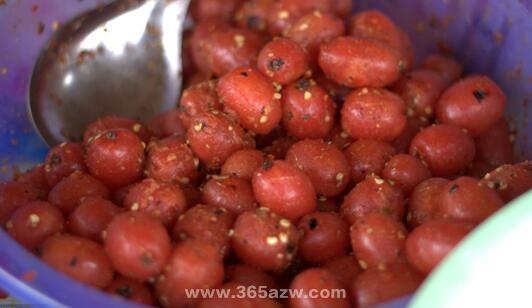
Elaeagnus can improve human body immunity. It has a large amount of carbohydrates and protein, as well as some fat, sugar and natural acidic components. After people eat Elaeagnus, they will quickly absorb and use these substances, which can improve body functions and reduce the occurrence of many common diseases. Food knowledge
2. Elaeagnus can treat indigestion
Elaeagnus has a good therapeutic effect on human indigestion. This fruit contains a variety of acidic components that can regulate the secretion of gastric acid and speed up the body's digestion and absorption of food. It has a good relieving and therapeutic effect on poor appetite with abdominal distension and post-meal bloating and fullness.
3. Elaeagnus can relieve cough and calm asthma
Elaeagnus also has a good protective effect on the human respiratory system and can reduce the occurrence of various respiratory inflammations. It has a good relieving and regulating effect on the cough and asthma that people often experience. In addition, Elaeagnus can also promote blood circulation and relieve pain. It can usually be used for the treatment of human sprains and traumatic injuries, and the treatment effect is very obvious.
That is all for today's introduction to Elaeagnus cultivation techniques. I hope everyone will like the content shared today.