What is the flower language and meaning of the snowdrop? Read this article to find out
The snowdrop is a plant with not only a beautiful name but also a very beautiful shape, full of mystery. Many friends want to know the flower language of the snowdrop, so next we will introduce it in detail.
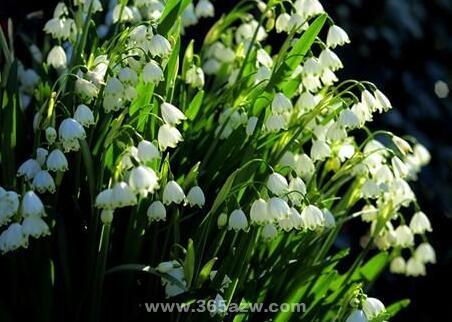
Snowdrop flower language: hope, strong vitality, courage to move forward, strength
The snowdrop is native to the central Caucasus region of Europe. It is fairly adaptable; for example, when grown in the middle and lower reaches of the Yangtze River, it can overwinter in the open ground. It likes cool and fairly moist environments, prefers fertile soil rich in humus, and likes to grow in sunny or semi-shaded places. The snowdrop's clumps are relatively low and small, and its leaves are fairly lush. Most importantly, it does not fear the chill of spring and blooms proudly. It is suitable for planting in semi-shaded spots under trees or in lawns in clumps, and is also suitable for dotting flower borders and rock gardens. It can even be potted as an indoor display or used as a cut flower. It can be said to have fairly wide uses. It is very popular.
Legends related to the snowdrop:
The name snowdrop first appeared in 17th-century German literature. At that time, a newly popular kind of teardrop-shaped earring was very similar in shape to the snowdrop flower; it was not named because it blooms in snowy weather (pay special attention to this point). Nowadays, based on the English explanation of snowdrop, people often think that the origin of its flower language comes from its flower shape being like a snowdrop, but this is actually a misunderstanding, though the coincidence is quite interesting.
Key points for snowdrop care: For propagation, use bulb propagation, but do not plant immediately; it needs to be refrigerated at below 15°C for 1-2 days, which is beneficial for later flowering; when planting, apply sufficient base fertilizer; during the growing period, apply fertilizer once a month. The potting soil needs to be kept moist, and 1-2 applications of phosphorus and potassium fertilizer are also needed each month.
How to grow snowdrops
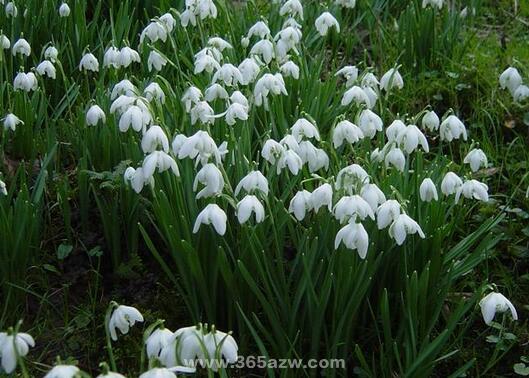
Propagation: Its propagation method is generally best done by dividing the bulbs, which can be carried out in September-October. After one planting, they can be dug up and divided every 3-4 years.
Growing habits: It prefers cool and moist environments, and can grow in sunny or shady areas.
Humidity: It prefers cool and moist environments, but a certain dryness should also be maintained. It fears rain, so the leaves can be kept dry, and air humidity can be kept at around 40-65%.
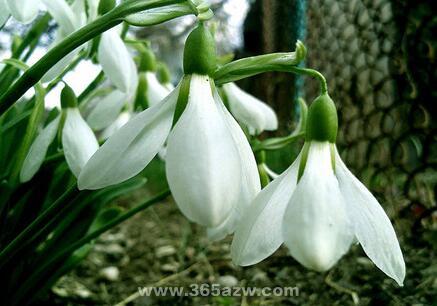
Temperature: It is relatively cold-tolerant, not tolerant of intense heat, and not tolerant of frost. The suitable growing temperature is 15-28°C.
Light: It has different requirements for temperature. It needs direct sunlight, and in summer appropriate shading can be provided. After flowering, it can be placed indoors for care.
Fertilizing: It does not have very high requirements for fertilizer and water. Generally, applying enough base fertilizer at planting time is sufficient. During its growth process, the fertilizing (watering) principles to follow are light fertilizer applied frequently, small amounts with more applications, and complete nutrition.
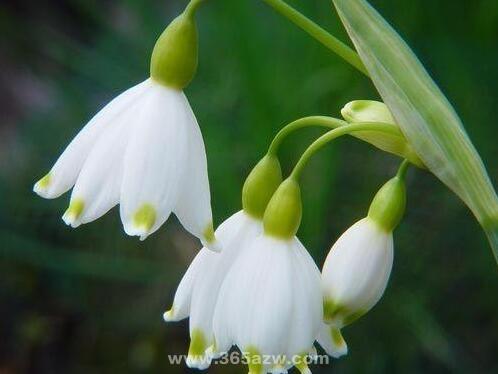
That is all for today's introduction to the flower language of the snowdrop. I hope it is helpful to you.