Kitchen seasonings work better than fertilizer for growing flowers: they kill pests, prevent root rot, and even promote rooting
People who grow flowers always keep all kinds of flower fertilizers and pesticides at home, but what if you don't have these things on hand? In fact, there are many things in daily life that can be used in place of flower fertilizers and pesticides. For example, today I want to share with you some very common items from the kitchen. They work just as well for growing flowers. They can not only kill pests, prevent root rot, but also promote rooting. Let's take a look at what they are.
White sugar: can be used instead of rooting powder, promotes rooting and the sprouting of branches and buds.
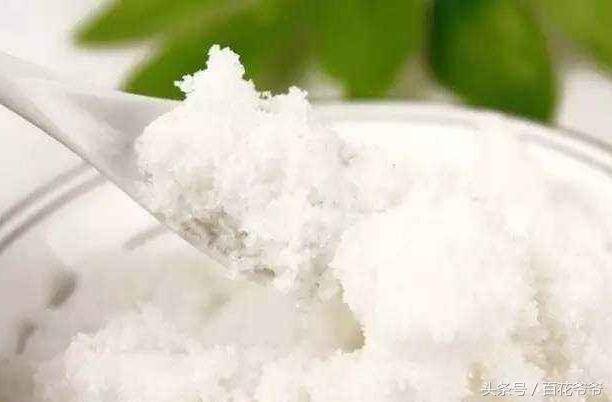
When you don't have rooting powder for flower cuttings, you can absolutely use white sugar mixed with water instead. It is very convenient, and the rooting effect is no worse than store-bought rooting powder.
How to use white sugar rooting water: mix white sugar with warm boiled water, let it cool, then put the cuttings that need rooting into it and soak for at least 2 hours. Take them out, rinse with clean water, and it is best to dip them in a little plant ash before inserting them into the soil. Not only do they root quickly, they are also less prone to black rot. Mix the white sugar solution until it is just sweet; the concentration must not be too high.
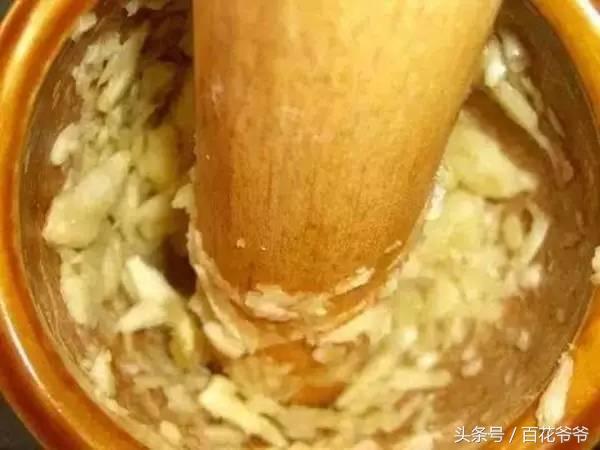
Garlic: prevents and controls root rot, pests and diseases
Preventing root rot: when a plant at home has slight root rot, quickly crush garlic and apply it to the rotted root area. Note that before applying, you need to remove the rotted roots of the plant, expose a fresh cut, then apply the garlic solution to it, place it in a ventilated spot, and once the garlic juice dries, replant it in a pot.
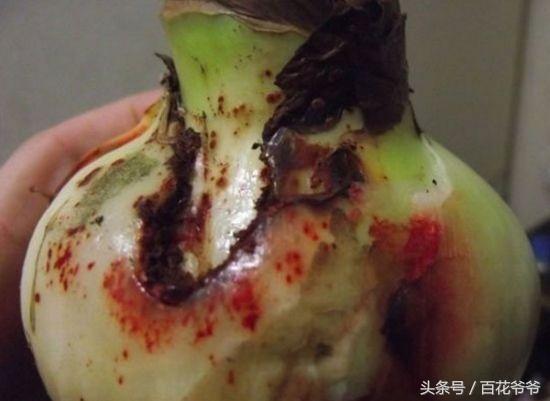
Pest control: (aphids, red spiders, scale insects)
Crush garlic, mix in 1 spoonful of soapy water, then add a small amount of clean water and soak together for one day, and it becomes garlic soap liquid. When using, mix it into the clean water in a spray bottle and spray the pest-infested areas of the plant. Note that when spraying, be sure to spray evenly on both the front and back of the plant leaves. Using it continuously more than three times can easily kill aphids, red spiders, and scale insects. You can also spray this solution normally to prevent pests.
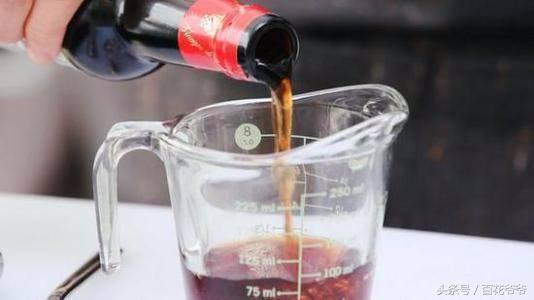
Vinegar: specifically treats yellowing leaves, and can also prevent plant powdery mildew and black spot disease
Mainly for acid-loving flowers, such as jasmine, gardenia, camellia, etc.
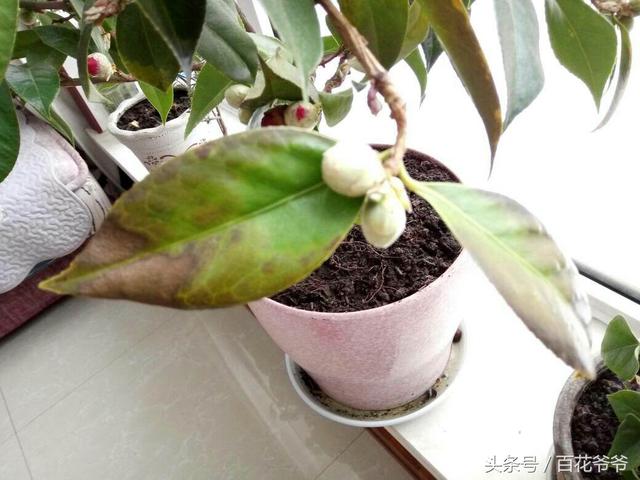
Preventing and treating yellow leaves: when jasmine or gardenia shows slight yellowing of leaves, simply mix a few drops of edible vinegar into the water when watering and then use it to water the plant, and it can improve the yellowing caused by soil that is too alkaline. You can also add a little to the water when spraying the flowers and spray the plant leaves, which likewise improves yellowing leaves.
Treating black spot and powdery mildew: when a plant has slight powdery mildew or black spot disease, directly mix edible vinegar with water and spray both the front and back of the diseased plant's leaves, 2 times a week. Using it continuously more than 4 times can effectively treat powdery mildew and black spot disease.
Note: this method is only suitable for minor diseases in a small area. When a plant is seriously diseased, promptly isolate the diseased plant and spray pesticide to solve it. You should know that powdery mildew and black spot disease are both very contagious. Promptly remove the leaves of diseased plants to avoid harming other plants.
May everyone grow flowers well. If you have better flower-growing tips, be sure to leave a comment and share them with us.