12 indoor green plants that purify the air, even beginners cannot kill them
Some scientists specifically study how certain plants absorb harmful toxins from the air. Some green plants do have these effects and can improve our indoor environment. The plants below can all absorb harmful substances from the air and are also very easy to grow indoors. Which one of them have you grown?
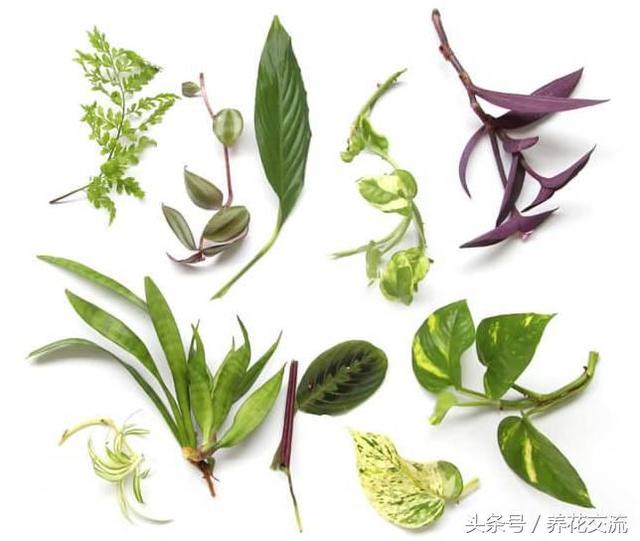
These plants are all extremely easy to care for, and even beginners cannot kill them. These plants can all adapt to relatively low-light environments and all have good shade tolerance. If your indoor environment lacks light, or even has no light, you can grow the plants below.
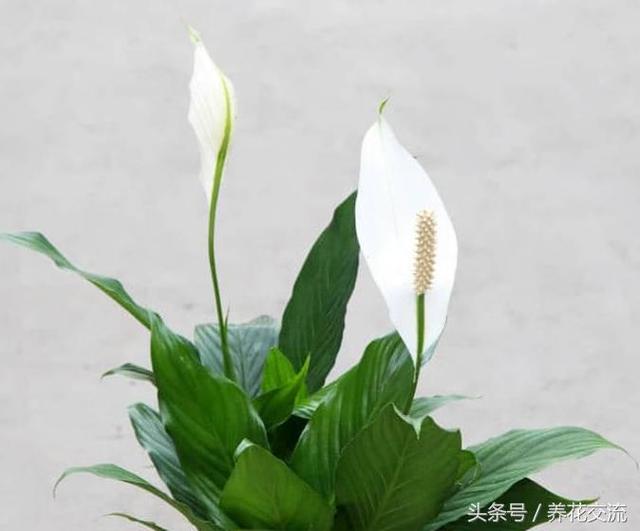
1. Peace lily
The peace lily is also called "smooth sailing." Its name sounds very nice, its flowers have a long ornamental period, and it is also widely recognized as an excellent air-purifying plant. For care, water only after the potting soil has dried out. It has a certain drought tolerance, so avoid too much water or overly strong light.
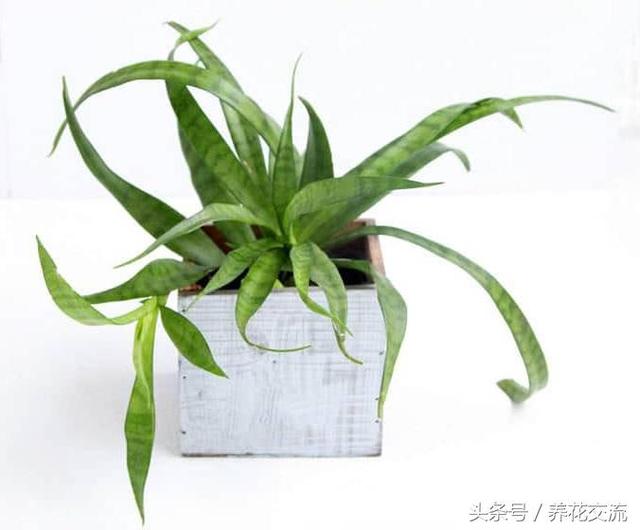
2. Snake plant
The snake plant is a plant from Africa and likes a warm, dry environment. When grown indoors, it is especially shade-tolerant and does not need frequent watering. As long as the environment stays warm and it is watered thoroughly once in a while, it is fine. It roots very easily, and its thick leaves can store water, making care very simple. In winter, be careful to avoid freezing and too much water.
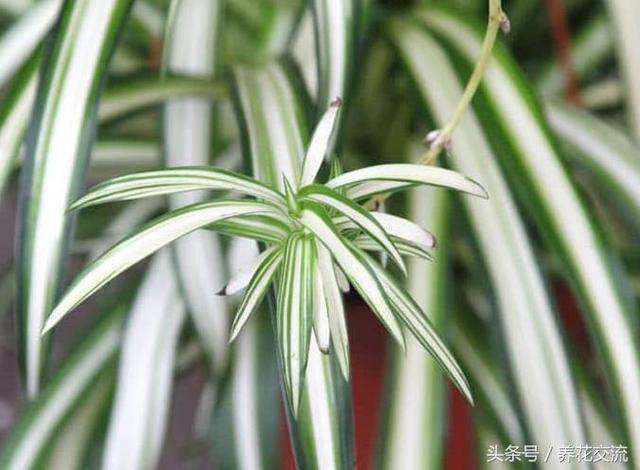
3. Spider plant
There are many varieties of spider plant, and the most popular are the various striped varieties, which look very bright and beautiful. Spider plants can produce many runners that hang in the air, and they can also bloom small white flowers, which is especially charming.
4. Pothos
There are also quite a few varieties of pothos. It has heart-shaped leaves, can stay evergreen all year round, and can also climb as it grows. Its shade tolerance is very good, and it likes a warm, humid environment. For care, water it regularly, keep the growing temperature above 5 degrees, and also remember to clean the leaf surface often, so the pothos can stay vigorous and green.
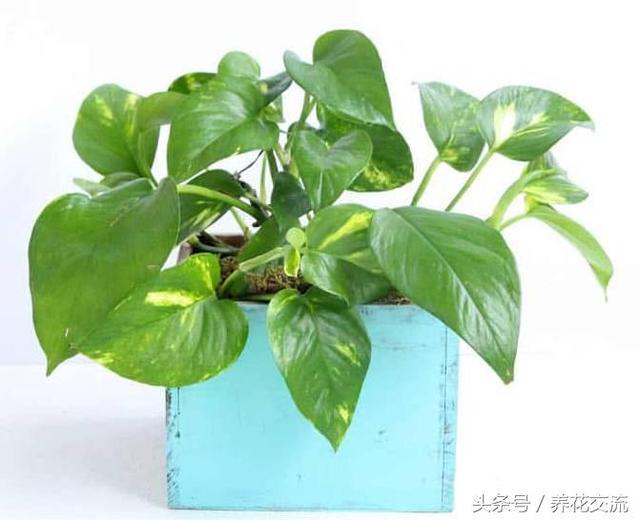
5. Golden pothos
The leaves of golden pothos have golden-yellow markings. It also belongs to the pothos varieties and looks very special. For care, it needs appropriate light, otherwise the leaves can easily lose their variegation.
It is also a very easy plant to grow. When the potting soil is dry, water it thoroughly, keep the environment warm and slightly humid, and make sure to provide appropriate indirect light.
6. Ferns
Ferns generally grow in cool, moist environments. When grown indoors in a shaded spot, be careful to maintain humidity and avoid the air being too dry, otherwise the leaves can easily dry out or wither. They like moisture and high-humidity environments, and strong light should be avoided.
6. Jade pothos
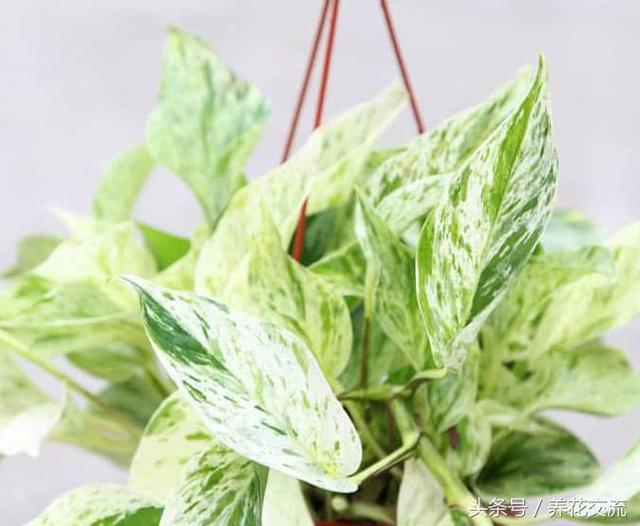
This pothos variety is different from common pothos. It can also be called variegated pothos. Its leaf surface has white markings, looking like jade, and also giving a jade-like feeling.
Its leaves are somewhat smaller than those of pothos, and it can be hung on a wall to grow. Its hanging effect is excellent, it grows robustly, and its adaptability to the environment is also good.
7. Purple heart
Purple heart is a climbing plant with purple leaves. The leaves are purple when they first emerge, and on older leaves the surface turns grayish green-purple while the underside remains purple. It can also bloom small pink-purple flowers.
It is also suitable for growing in a cool spot, but appropriate light will make its leaves look better, and it may even bloom.
8. Peacock plant
When caring for the peacock plant, avoid direct sun exposure, as the leaves can easily become brown from sunburn. It is shade-tolerant, but it grows even better in a bright environment. In the morning, it can be given a little indirect light, and the environment should be kept ventilated.
When caring for the peacock plant, remember to water it regularly. When the potting soil is slightly dry, water it thoroughly. Just be careful not to let the soil become waterlogged. Keep the minimum care temperature above 10 degrees and avoid freezing.
9. Inch plant
Caring for the inch plant requires a warm, humid environment. The minimum temperature should be above 5 degrees. When the temperature is below 0 degrees, it is easily damaged by cold. The care environment should also stay warm and humid, meaning the environment cannot be too dry, because a dry environment can easily cause yellowing or wilting leaves. You can often spray water around it to increase humidity. If you want the inch plant to bloom or grow more luxuriantly, you can give it a little diluted fertilizer, using diluted organic liquid fertilizer.
10. Pink anthurium
The care environment should stay warm and humid. Potted plants should avoid soil that is too dry, maintain a certain humidity around the flower stems, and avoid sun exposure or direct harsh sunlight. Keep the care environment temperature between 18~32 degrees, and keep the minimum care temperature above 12 degrees. If the temperature is too low or the humidity is too low, it can easily shorten the flowering period and also affect plant growth.
When caring for pink anthurium, spray water around it often, keep the care environment well ventilated, keep the potting soil slightly moist, provide a little appropriate indirect light, and avoid excessively heavy shading.
11. Monstera
Monstera can be grown in a shaded spot, avoiding direct sunlight. In the morning, it can be given a little light. For potted care, ensure good drainage. The soil should have drainage holes, place broken tile pieces at the bottom of the pot, and mix the soil with a permeable medium.
In addition to regular watering to maintain moisture in the potting soil, you should also often spray water around the monstera to maintain higher air humidity. This can also appropriately remove dust from the leaf surface, which helps photosynthesis.
12. Ornamental bromeliad
The most amazing thing about ornamental bromeliads is their flowers, which can stay in bloom for 2~3 months. The red and yellow flowers are especially eye-catching. For care, they need a warm, humid environment, need frequent watering to keep the soil moist, and also need attention to maintaining humidity to avoid dry air.