How to propagate a rubber plant? A detailed guide to common propagation methods
The rubber plant has high ornamental value and is a well-known potted foliage plant, extremely suitable for indoor beautification arrangements. Small and medium-sized plants are often used to beautify living rooms and studies; medium and large plants are suitable for placing on both sides of the entrance halls of large buildings and in the center of lobbies, appearing majestic and spectacular, and can reflect a tropical style. The rubber plant is commonly propagated by two methods: cuttings and air layering.
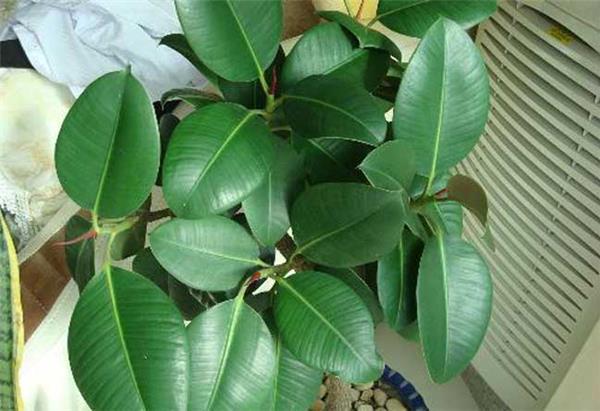
Propagation by cuttings is relatively simple, very easy to root, and grows quickly. It is generally done in late spring and early summer in combination with pruning. Select a one-year-old woody middle branch as the cutting, keeping three buds on the cutting, cut off the lower leaf, fold the upper two leaves together and tie them with plastic, or cut off half of the upper leaf to reduce water evaporation; to prevent excessive loss of milky sap from the cut and affect survival, promptly apply plant ash to the wound; insert the prepared cutting into a cutting bed with river sand or vermiculite as the substrate; after insertion, keep the cutting bed at high humidity and frequently sprinkle water on the ground (but do not let it accumulate), to increase air humidity. At a temperature of 18-25°C and under semi-shaded conditions, rooting occurs in about 2-3 weeks.
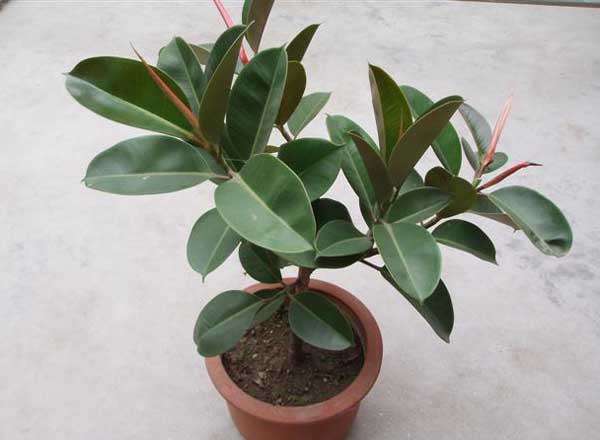
Air layering is also quite convenient to use at home, and the success rate is high. When air layering, select a two-year-old branch, first make a ring cut 1-1.5 cm wide on the branch; then wrap moist moss or peat soil around the wound, finally wrap tightly with plastic film, and tie both the upper and lower ends; after 1-2 months, the rooted branch can be cut off and potted.
The above is the editor's introduction to rubber plant propagation methods. I hope it is helpful to you!