How to Grow Asparagus Fern: Detailed Guide to Growing Methods and Tips
As part of indoor soft-furnishing decor, asparagus fern seems rather hard to care for; its leaves often turn yellow, and the causes may be improper light, watering or fertilizing. So how exactly do you grow asparagus fern?
How do you grow asparagus fern?
Yellowing leaves on asparagus fern not only affect its healthy growth, but also spoil the aesthetic effect of indoor display and dampen the mood of the household owner. The main causes of yellowing asparagus fern leaves come from the following 6 aspects.
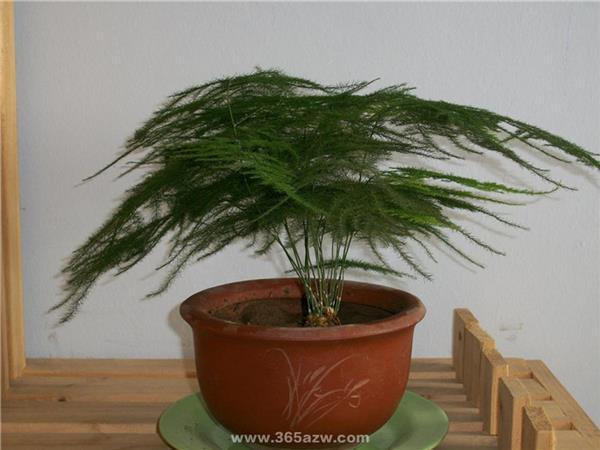
1. Strong light exposure
Asparagus fern prefers partial shade when grown, and in summer it should not be exposed to strong direct sunlight, otherwise the branches and leaves will wither and turn yellow. The solution is to move the pot to a shady place and mist the branches and leaves more often to increase humidity.
2. Incorrect watering
Although asparagus fern likes moisture, it can also become waterlogged from too much moisture, so during growing it is best to keep the potting soil alternating between dry and moist; generally, do not water until it is dry, and when you do water, water thoroughly, but do not let too much water accumulate on the surface of the pot. If overwatering occurs, you can temporarily stop watering and instead only mist the leaf surface to keep the asparagus fern moist.
3. Improper fertilizing
Fertilizing too heavily or applying undecomposed fertilizer can both cause asparagus fern leaves to turn yellow and drop. And if the nutrients in the potting soil are too poor, it will likewise cause asparagus fern leaves to turn yellow. So when fertilizing, pay attention to applying lightly; you can fertilize more often but in smaller amounts, and use decomposed fertilizer. For cases that have already appeared, you can solve it by changing the potting soil. It is worth noting that fertilizing is not suitable during the low-temperature period in winter and the high-temperature period in summer.
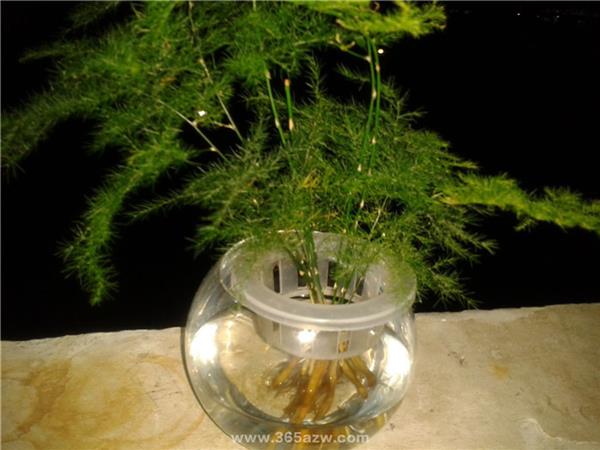
4. Gas poisoning
Asparagus fern is very afraid of smoke and dust. If it is often exposed to harmful gases such as smoke and dust, asparagus fern will show poisoning symptoms of yellowing branches and leaves. When this happens, promptly move the pot away from its original position and increase sprinkling of water on the leaf surface to remove dust.
5. Pests
Scale insects are the most common pest in asparagus fern growing. When scale insects are found, they should promptly be wiped away with a strip of wet cloth; in severe cases, go to a pesticide shop to buy something for control, and promptly change the potting soil. When changing the potting soil, the old and residual roots can be cut off to reduce nutrient consumption.
6. Inadequate winter management
When growing asparagus fern, keep it at a certain temperature, especially in winter when it should be placed in a sunny position. If asparagus fern is kept for a long time in a place lacking light, poorly ventilated and cold, its leaves will easily wither and turn yellow and dry up. In winter, the growing temperature for asparagus fern generally must not be lower than 12°C, and it should be placed in a place with good light, and watering can be appropriately reduced.
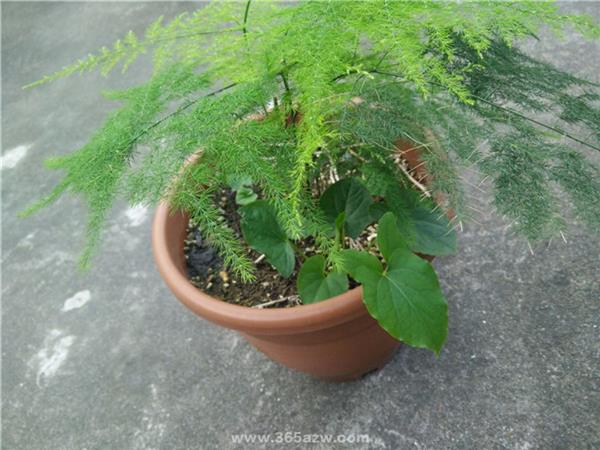
The main causes of yellowing asparagus fern leaves are none other than the factors above. At the same time, in daily maintenance, you need to put in a little care and attention, and you cannot just ignore it.
That is all for today's introduction to asparagus fern growing methods; I hope it is helpful to you.