Shade-tolerant plants that also love to bloom, don't miss them when growing flowers at home
Many people like to grow flowers at home, but homes often have little light, especially in winter, when flowers are basically all brought indoors and can no longer be moved outside to receive light. Today we have put together several potted flowers that are not only shade-tolerant but can also bloom. There is sure to be one you like!
Clivia
Clivia is a semi-sun-loving flower that prefers a semi-shaded and humid environment. It likes scattered light and avoids direct strong light. Too much light is bad for its growth and can easily cause sunscald.
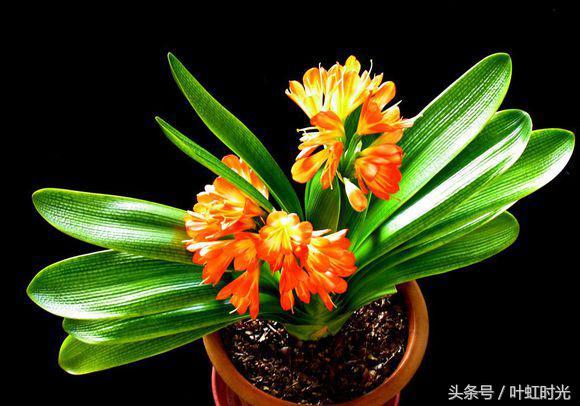
Care methods:
The optimal growing temperature for Clivia is between 18-22°C. Temperatures below 5°C or above 30°C will inhibit its growth. Clivia likes a well-ventilated environment and prefers deep, fertile, loose soil, and is suitable for indoor cultivation.
Peace lily
Peace lilies like high temperatures, high humidity and a semi-shaded environment, and are afraid of strong light and sun exposure. In summer, 60%-70% shading should be provided, but long-term insufficient light will also make it difficult for them to bloom.
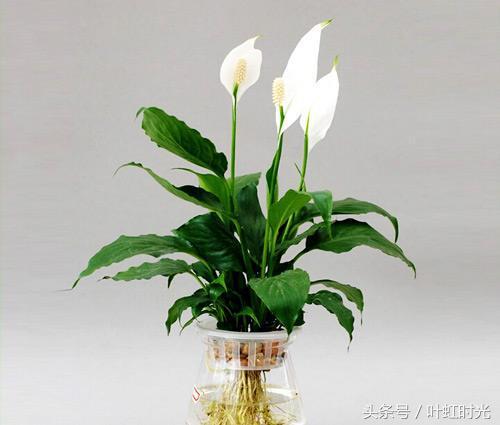
Care methods:
Peace lilies like fertile loam rich in humus. The optimal growing temperature is 22-28°C, and the winter temperature should not be lower than 14°C. When the temperature is below 10°C, plant growth will be hindered and the leaves are prone to frost damage.
Azalea
Azaleas like a semi-shaded environment. In summer they need shading, and in winter they need to be kept warm and protected from the cold. They should avoid harsh sun exposure and are suitable for growing under scattered light of lower intensity. If the light is too strong, the tender leaves will be scorched, and the edges of both new and old leaves will burn; in severe cases, this can cause the plant to die.
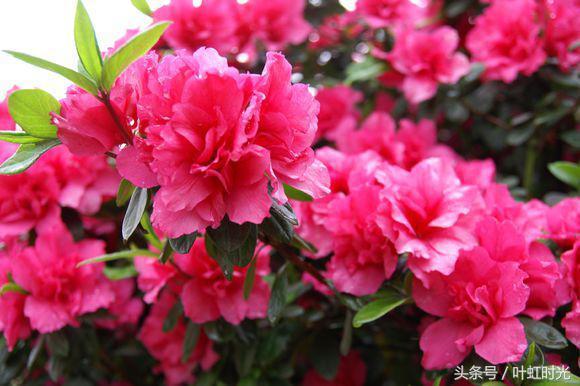
Care methods:
The optimal growing temperature for azaleas is 12°C-25°C. When the temperature exceeds 35°C, the growth of new shoots and new leaves slows down and the plant enters a semi-dormant state. In winter they should be brought indoors in time to ensure safe overwintering.
Hydrangea
Hydrangea is a short-day plant that likes a warm, humid and semi-shaded environment. In summer it should avoid direct sun exposure, otherwise the leaves are prone to scorching, withering and yellowing, and 60%-70% shading should be provided.
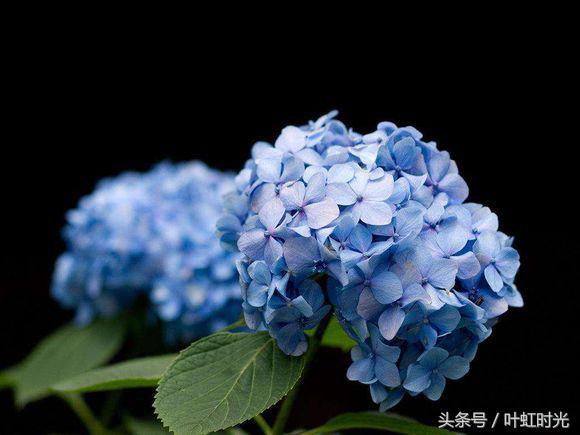
Care methods:
The optimal growing temperature for hydrangea is 18-28°C, and the winter temperature should not be lower than 5°C. It likes loose, fertile, well-drained sandy loam and a relatively moist soil environment, but in winter it should be kept relatively dry.