What are the effects and benefits of Andrographis paniculata? Understand it in one article
Perhaps most people are not very familiar with Andrographis paniculata, but it is an excellent herb in traditional Chinese medicine. With the progress of society and the improvement of quality of life, medicine has made an increasingly greater contribution to human life, and the role of traditional Chinese medicine has also become increasingly prominent. So, what effects and benefits does Andrographis paniculata generally have?
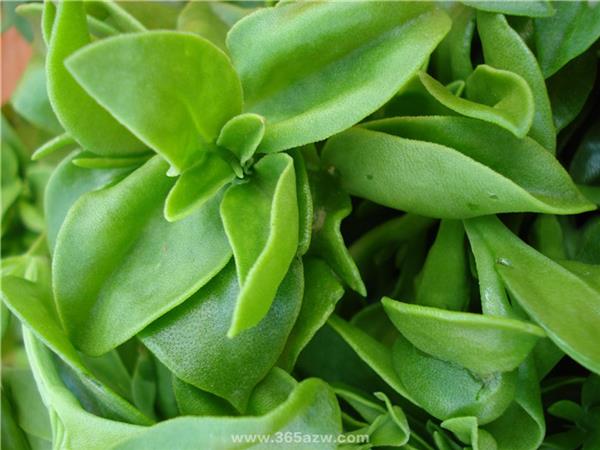
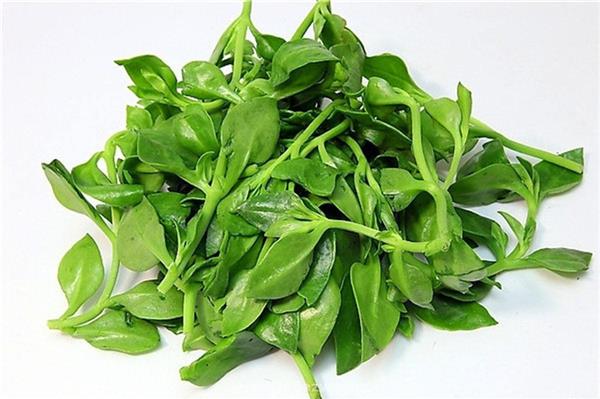
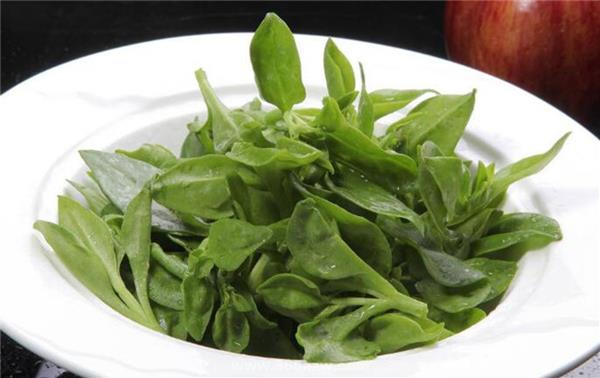
Andrographis paniculata is also known as Chunlian Qiuliu, Yijianxi, Lanhe Lian, Kudan Cao, Zhanshe Jian, Yuanzhui Xuyao Cao, Rixing Qianli, Sifang Lian, Jinxiang Cao, Jin'er Gou, Chunlian Xialiu, Yindu Cao, and Kucao. It is the whole plant of Andrographis paniculata, a plant in the Acanthaceae family. Andrographis paniculata is an annual herb, and the whole plant is used as medicine. The stem is square-columnar in shape, 50 to 70 cm long, with slightly swollen nodes, brittle in texture, and easy to break. The leaves are simple and opposite, nearly sessile, mostly shrunken and broken, and when complete are lanceolate or oblong, 3 to 12 cm long and 2 to 5 cm wide, green on the upper surface and grayish green on the lower surface, smooth on both sides. The odor is faint and the taste is extremely bitter.
In the five elements theory of traditional Chinese medicine, bitterness enters the heart, and for Andrographis paniculata, as long as you put a small piece of its leaf in your mouth, you can immediately feel that deeply penetrating bitterness, as if it goes straight into your heart, hence the name "Chuanxin Lian" (piercing the heart lotus). It is a food and medicine dual-use item, especially suitable for patients with respiratory diseases such as colds, fever, and sore swollen throat, as well as patients with gastroenteritis, because it has the effects of clearing heat, detoxifying, and stimulating appetite.
The effects and benefits of Andrographis paniculata
1. Antibacterial
The neoandrographolide contained in Andrographis paniculata has clinically superior efficacy against bacillary dysentery compared with chloramphenicol and furazolidone, and has no side effects or toxicity. In in vitro tests, the water decoction of Andrographis paniculata and the crude crystals isolated from it both have inhibitory or killing effects on certain serotypes of Leptospira, and the decoction has a certain inhibitory effect on pneumococci, alpha-hemolytic streptococci, and catarrhalis.
2. Antiviral
The decoction of Andrographis paniculata has a delaying effect on the degeneration of human embryonic kidney cells caused by orphan virus ECHO11. Andrographis paniculata has a certain anti-HIV effect in in vitro tests.
3. Antipyretic and anti-inflammatory
It has a significant antipyretic effect on experimental fever and a significant inhibitory effect on experimental inflammation. The anti-inflammatory effect of Andrographis paniculata is related to excitation of the pituitary-adrenal cortex system. Clinically, it has been used for a variety of infectious diseases, including traumatic infection, furuncle, carbuncle, erysipelas, upper respiratory tract infection, acute and chronic tonsillitis, acute and chronic pharyngitis, acute and chronic bronchitis, acute bacillary dysentery, acute gastroenteritis, urinary tract infection, endometritis, pelvic inflammatory disease, otitis media, periodontitis, etc., all with varying degrees of efficacy.
4. Clearing and transforming damp-heat
Used for damp-heat diarrhea, damp-heat jaundice, and heat strangury with leukorrhea. For damp-heat diarrhea, with symptoms of acute enteritis, abdominal pain, urgent diarrhea, pouring like water, yellow-brown and foul-smelling, and burning sensation at the anus, it can be used with Coptis chinensis, talc, and white hyacinth bean; for damp-heat jaundice, with symptoms of yellowing of the eyes and skin, yellow-red urine, abdominal distension and fullness, upper abdominal distension and pain, nausea and vomiting, it can be used with Coptis chinensis, Gardenia jasminoides, Artemisia capillaris, and red peony root; for damp-heat pouring downward, heat strangury, and painful urination, it can be used with Coptis chinensis and talc; for damp-heat leukorrhea, with symptoms of yellow-white sticky or yellowish watery discharge, burning and itching of the genital area, it is often used with Euryale ferox, Rosa laevigata, Phellodendron amurense, and Sophora flavescens.
5. Immunosuppression
The effect of Andrographis paniculata on human immune function is relatively complex. The water decoction, lactone injection, and andrographolide injection all enhance the phagocytic action of mouse macrophages and peripheral leukocytes. The clinical anti-infective efficacy of Andrographis paniculata may be related to this. Andrographolide can cause atrophy of the mouse thymus, reduce peripheral T cells, lower serum antibody titers, and inhibit delayed-type hypersensitivity, indicating that andrographolide has inhibitory effects on both T cells and B cells, and is an immunosuppressant.
6. Cooling blood and reducing swelling
Used for lung abscess, with symptoms of cough, chest pain, and coughing up pus and blood-streaked sputum, it can be used with Houttuynia cordata, Coix seed, and reed root.
7. Antithrombotic
The flavonoid components of Andrographis paniculata have the effects of inhibiting platelet aggregation, improving blood viscosity, and resisting thrombosis, and also have the effects of increasing myocardial blood flow and resisting myocardial infarction.
8. Protecting the liver and promoting bile secretion
Andrographolide has a significant antagonistic effect on liver injury and can reduce serum ALT, ASTAKP, SB, and intrahepatic triglycerides. Andrographolide also has a significant cholagogic effect.