What are the benefits and effects of roselle? A detailed explanation
Roselle, also known as Hibiscus sabdariffa, roselle, and wild roselle, is the root and seed of the mallow family plant Hibiscus sabdariffa. Roselle has the effects of clearing heat and relieving summer heat, beautifying the face, fading spots, and sobering up from alcohol. Folk use this medicine as a diuretic. Roselle is a very good natural health medicine. So what benefits and effects does roselle generally have?
Introduction to roselle
Medicinal name: roselle
Aliases: Hibiscus sabdariffa, wild roselle, roselle, roselle.
Nature and flavor: pungent, neutral. The benefits and effects of roselle.
Meridian entry: enters the kidney meridian.
Effects: diuretic, clearing heat and relieving summer heat, beautifying the face, fading spots, sobering up from alcohol
Main indications: folk use this medicine as a diuretic.
Source: the root and seed of the mallow family plant Hibiscus sabdariffa.
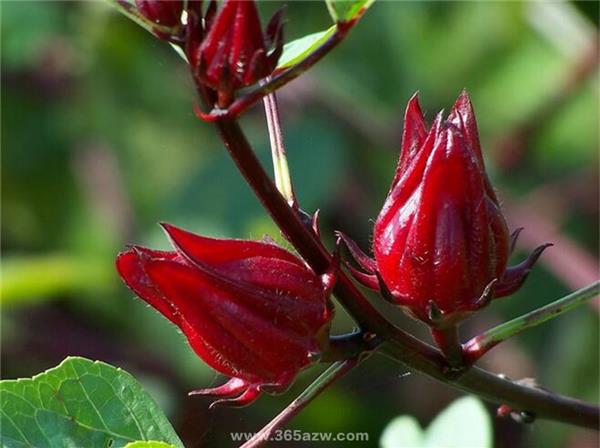
Roselle has a slight fragrance and a sour taste, and contains nutritional components such as vitamin C, sambubioside, and citric acid; the calyx of roselle is a fleshy structure, juicy, and rich in protein, organic acids, vitamin C, a variety of amino acids, a large amount of natural vitamins, and minerals needed by the human body, such as iron, calcium, and phosphorus. Roselle contains seventeen amino acids essential to the human body, including aspartic acid, glutamic acid, proline, glycine, alanine, lysine, and arginine, as well as anthocyanins, polyphenols, furfural, and hydroxymethylfurfural with significant antioxidant functions, and is especially high in VC-ascorbic acid. These components have effects such as calming the liver and reducing fire, clearing heat and reducing inflammation, promoting salivation and quenching thirst, lowering blood pressure and reducing fat, refreshing the mind and calming the nerves, and scavenging free radicals. Among them, hibiscus acid is believed to have a certain therapeutic effect on heart disease, high blood pressure, and arteriosclerosis, and can lower cholesterol and triglycerides; some other components also have an antispasmodic effect on the muscles of the intestines and uterus, and also have a deworming effect and can promote juice secretion, lower blood concentration, and stimulate intestinal wall peristalsis. Roselle not only has the above medical and health effects, but is also a food excellent in color, aroma, and taste. The pure natural health drink produced from it is a rare natural beverage.
The benefits and effects of roselle
Roselle has the effects of relieving summer heat, lowering blood pressure, and strengthening blood vessel elasticity, and can treat high blood pressure, heatstroke, cough, and drunkenness. It clears heat and detoxifies, helps digestion, promotes salivation and quenches thirst, and is also an excellent weight-loss product. Living for a long time in a noisy city, anyone will be full of longing for the leisurely natural world, and the popularity of flower and fruit tea has clearly satisfied people's romantic feelings to some extent. Flower and fruit tea absorbs the spiritual energy of heaven and earth, gathers the morning dew of the wilderness, and collects the essence of mountains and rivers, and has the effect of overcoming a hundred poisons. Roselle has a slight fragrance and a sour taste, and nutritional components such as vitamin C, sambubioside, and citric acid, which are beneficial for regulating and balancing blood lipids, enhancing calcium absorption, promoting children's development, and promoting digestion.
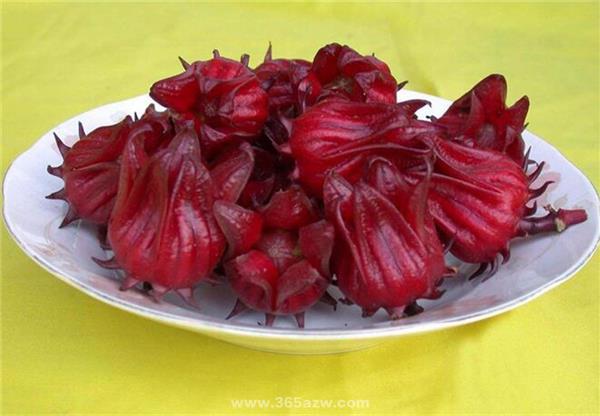
The calyx of roselle can also be used medicinally. It tastes sour and is cold in nature, and has effects such as clearing heat and relieving summer heat, diuresis and lowering blood pressure, beautifying the face and fading spots, detoxifying, and sobering up from alcohol. Modern research shows that Hibiscus sabdariffa contains chemical components such as flavonoids, protocatechuic acid, anthocyanins, isoflavones, and rich amino acids, vitamins, sugars, organic acids, and inorganic salts, and can lower cholesterol and triglycerides, inhibit the oxidation of low-density lipoprotein, inhibit platelet aggregation, reduce thrombus formation, and reduce atherosclerosis, and can effectively prevent the occurrence of cardiovascular diseases. In addition, roselle also has liver-protecting and anti-cancer effects. Therefore, roselle is a very good natural health medicine.
Roselle is an emerging food and raw material for the food industry. Its calyx can be made into many kinds of food and is rich in vitamin C, making it a nutritional product for the elderly and children. The brilliant rose-red pigment of the roselle calyx is a colorant in food. It is delicious and palatable, and is a high-quality beverage for clearing heat and relieving summer heat in summer.
Roselle can protect the liver and fight cancer. Its protocatechuic acid and anthocyanins can promote the apoptosis and death of leukemia cells; roselle polyphenols can promote the apoptosis of gastric cancer cells; roselle anthocyanins can inhibit drug-induced liver oxidative damage. Roselle extract can inhibit the effect of chemical substances in causing colon cancer, can increase the liver-protecting effect of glutathione, and can also regulate blood pressure and improve sleep.
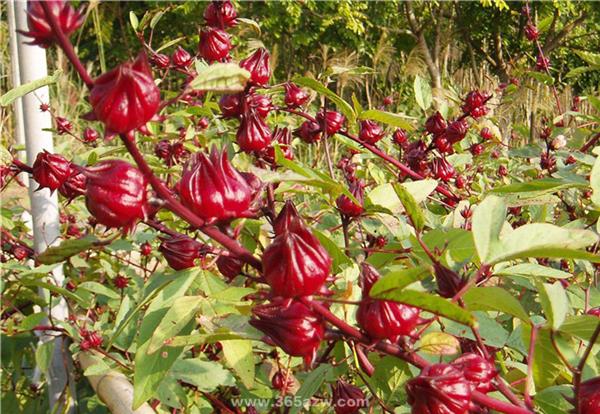
Roselle pectin can be used as an ingredient in cosmetics and medicines. Its abundant leaves, seeds, fruit shells, and the oil cake left after the seeds are pressed for oil can all be used as livestock feed, and the stems and leaves after the calyx is harvested can be used as green manure.