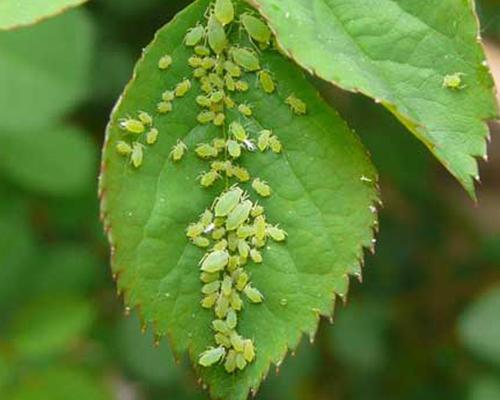
What are the main host plants of aphids? Damage symptoms and prevention methods
Aphids are a pest we all know, and this pest causes considerable damage. Do you know how to control it? If you want to learn, let us take a look together!
Host plants:
In the wild: wild plants, shrubs, hedges and trees
In the garden: ornamental trees and shrubs, including roses.
Crops: most vegetables, fruits and ornamental plants.
Where found: worldwide
Description: small, soft, pear-shaped insects less than 3 mm long are usually aphids. Depending on the species and the plant, aphids may be beige, green, yellow or almost black. They tend to gather in groups on new growth or in leaf gaps. See also black bean aphid and cabbage aphid.
Damage: the symptoms of aphid damage are many, including reduced growth rate, mottled leaves, yellowing, stunted growth, curled leaves, browning, wilting, low yield and eventually death. As sap is lost through direct feeding on the plant, aphids can transmit diseases.
Preventing problems: check plants often for early outbreaks. Use clips to pinch off stems with clusters of aphids and compost them. Encourage beneficial insects, including ladybirds, hoverflies and lacewings, which are important aphid predators.
Managing outbreaks: for small outbreaks, a high-pressure spray from a garden hose can help clear aphids from plants. Follow up with two applications of insecticidal soap, one week apart. Be sure to spray the soap onto the undersides of leaves and into crevices.
Tip: ladybirds and their larvae are very beneficial insects, welcome them into your garden. Ants tend to be attracted to the honeydew left by aphids, so ant activity often leads to aphid gatherings.