How to grow potted Moluccella laevis? A detailed guide to cultivation methods
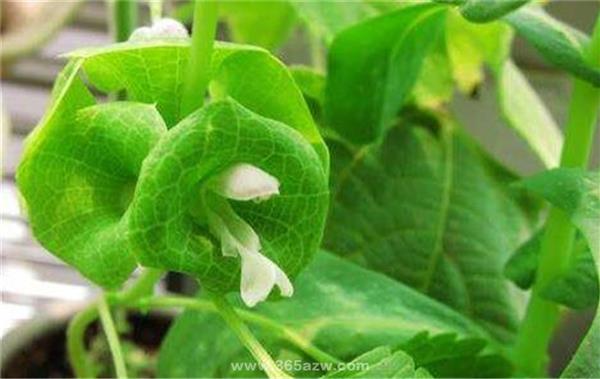
Moluccella laevis is a rather unusual flowering plant, with leaves shaped like shells, very interesting, and suitable for potted ornamental display. Growing Moluccella laevis can bring a unique ornamental effect. So how should Moluccella laevis be grown?
Moluccella laevis, with fragrant calyxes resembling shells, blooms from June to July, and its green color is very attractive. Moluccella laevis has heart-shaped, emerald green leaves and uniquely shaped flowers, making it an excellent foliage and flowering plant. Moluccella laevis prefers a sunny environment and grows best in well-drained soil.
When growing Moluccella laevis, pay attention to watering. Although Moluccella laevis likes moist soil, overwatering can cause root rot. Water according to how dry the soil is; do not water if the potting soil is not dry, and water thoroughly each time.
Flowerpot: When growing Moluccella laevis in pots, you can choose the pot size according to the number of seeds. Generally, a flowerpot with a diameter of 15 cm can hold ten to fifteen Moluccella laevis seeds.
Soil: Moluccella laevis likes well-drained soil. Generally, first place small stones at the very bottom, then spread sandy soil on top. Then scatter the seeds into the potting soil, cover with a thin layer of sandy soil, and keep the soil moist.
Watering: During the seed germination period of Moluccella laevis, water once a day to ensure the seeds absorb water. At this time, place the flowerpot in a cool place and keep it out of light. After the seeds germinate and sprout, adjust the watering schedule according to soil moisture; do not water if the soil is not dry, and water thoroughly when you do.
Temperature: The suitable temperature for sowing Moluccella laevis is 15-25°C. Generally, Moluccella laevis will sprout in about one week to half a month.
Fertilizing: When Moluccella laevis grows to 5-6 true leaves, it can be transplanted. After the transplanted plants survive, start fertilizing once every half month, and stop fertilizing after Moluccella laevis blooms.
Pests and diseases: Moluccella laevis grows vigorously and rarely suffers from pests and diseases, but beware of damage from leaf miners.
Morphological characteristics of Moluccella laevis
Moluccella laevis grows 40-100 cm tall, with opposite heart-shaped leaves bearing blunt teeth. The seeds of Moluccella laevis are triangular. After sowing, seedlings emerge in about 1 week. The seedlings grow slowly, only producing true leaves after 20 days, and are still small seedlings after more than 1 month. After about more than 2 months, they begin to take some shape, and after about 3 months, the flowers can be seen. The small trumpet-like parts are its sepals; the small flowers are white, borne in whorls of six, and the fragrant calyxes resemble shells. The blooming period is June to July, and the green color is very attractive. The corolla is lip-shaped, and the green calyx resembles a shell, hence the name. The stem is upright, four-angled, and has weak branching ability.
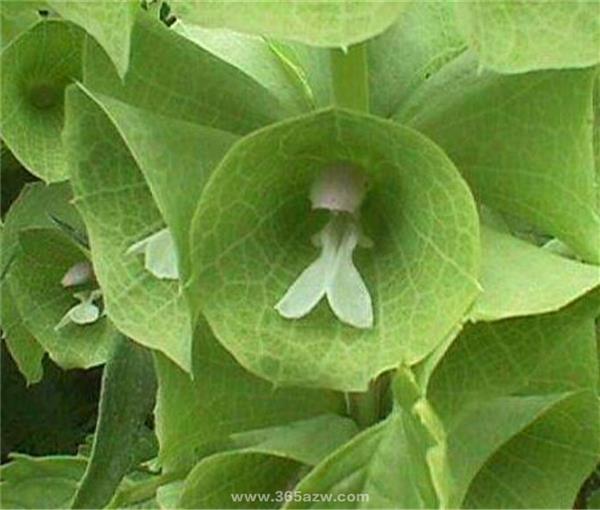
Growth habits of Moluccella laevis
A foliage and flowering plant that likes sunlight and well-drained soil.
Main ornamental value of Moluccella laevis
Moluccella laevis has a unique flower shape, is elegant and beautiful, and is a popular floral filler material worldwide. It can also be used as dried flowers and for potted ornamental display.
There are various horticultural cultivars, but most have green calyxes, with white, yellow and other types as well. [2]
Each pot of Moluccella laevis can absorb 150 g of carbon dioxide and release 56 g of oxygen per year, making it a very green and environmentally friendly plant.