A Detailed Guide to Thyme Planting Methods and Techniques
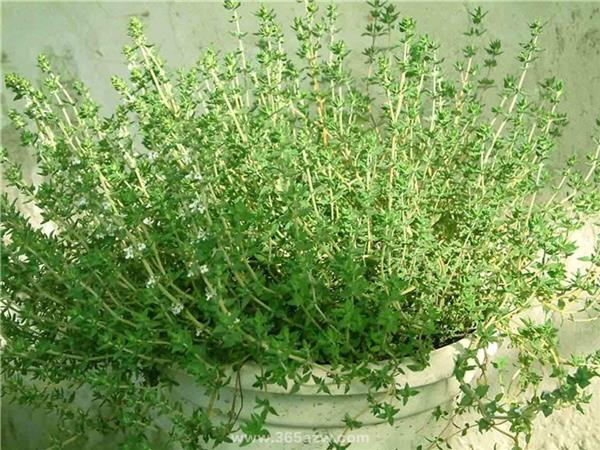
Thyme has a refreshing fragrance and enjoys the fine reputation of "fragrance drifting a hundred li." The thyme plant is still small, with tiny leaves, yet its scent is striking, especially when it blooms. Today, we will introduce the planting methods for thyme.
What Kind of Plant Is Thyme
Thyme is a perennial plant native to the Mediterranean region and is often used as a spice and medicine. Thyme mainly grows under tropical climate conditions, and there is also annual thyme in temperate regions. Thyme plants reach a height of 1.2-3.6 m, and there are about 60 varieties, including wild thyme and lemon-scented thyme.
Thyme Planting Methods
Temperature: Thyme likes a warm climate, and the most suitable temperature for growth is 20-25°C. It is relatively cold-tolerant and avoids high temperatures and high humidity. Under high temperature and high humidity, thyme growth weakens and it is prone to rot. Thyme is suitable for cultivation in cool regions; in summer it needs to be kept in a shady place, and misting plus enhanced ventilation are needed to lower the temperature.
Light: Thyme likes full sunlight, and insufficient light will cause thyme to grow leggy. However, when the summer sunlight is intense, appropriate shading is needed to avoid scorching the branches and leaves.
Watering: Thyme leaves are slightly fleshy, somewhat drought-tolerant, and avoid waterlogging. If the potting soil is too wet, it will cause poor growth of the thyme root system and branches and leaves, and may even lead to root rot or plant death. During the growth period, watering thyme should follow the watering principle of "do not water if not dry,
water thoroughly when watering." During high summer temperatures, prevent the potting soil from becoming too wet; in winter, watering should be moderated to keep the potting soil relatively dry.
Fertilizing: Thyme grows relatively slowly and does not need much fertilizer. During vigorous growth in spring and autumn, apply a dilute fertilizer once every half month. For thyme varieties with variegated leaves, a fertilizer combining phosphorus and potassium should be applied to make the variegation more brightly colored. Fertilizing should be stopped in summer and winter, especially in summer when plant growth is relatively weak and fertilizing can easily cause root rot and plant death.
Pruning: When thyme is a seedling, pinching should be done to encourage branching and form a dense plant shape. Normally, pruning can be combined with harvesting at any time, cutting branches and leaves for use. Prune messy branches and leaves to keep the plant attractive and to help ventilation and light penetration. When pruning, be careful not to cut too low and damage the woody stems, otherwise it will affect the sprouting ability of new thyme buds.
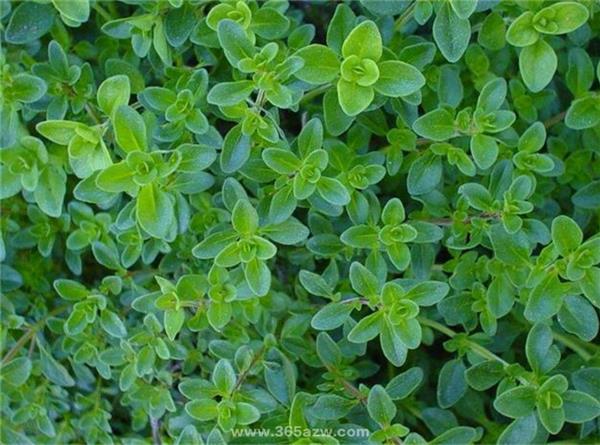
Repotting: Thyme generally needs repotting once about every 2 years, replacing the soil with well-drained neutral or alkaline soil. For potting thyme, the soil can be prepared with materials such as leaf mold and peat soil, and about 20% perlite, rice husk ash, coarse sand, or other well-drained materials should be added.
Thyme Propagation Methods
The main propagation methods for thyme are seed propagation, cutting propagation, and division propagation.
Sowing Propagation
Sow seeds and raise seedlings in spring from March to April. Because thyme seeds are very small, the seedling bed must be finely prepared, the soil must be fine, crumbly, and level, then lightly compacted; after watering, broadcast sow, then cover with a thin layer of fine soil, and set up a small arched shed covered with plastic film to keep warm and moist. Seedlings emerge after 10-12 days, and the film should be removed when the temperature is suitable. During the seedling stage, attention should be paid to keeping the soil moist and removing weeds. When the seedlings are 10-15 cm tall, they can be directly planted in the field at row and plant spacings of (30-45) cm x (25-30) cm, and watered after planting.
Cutting Propagation
Using the cutting method makes rooting very easy and propagation very simple. For mass production, in order to achieve uniform quality, cuttings of 3-5 nodes, about 5 cm long, with terminal buds are taken. Cuttings without terminal buds or already woody branches can survive, but they root slowly and have fewer roots. When cutting, insert them into paper tube seedling trays with a diameter of 2 cm to make transplanting easier after survival. Layering and division methods let branches contact the ground and automatically grow roots; cutting them off directly gives an independent plant, and these are more suitable for home gardening growers to use.
Division Propagation
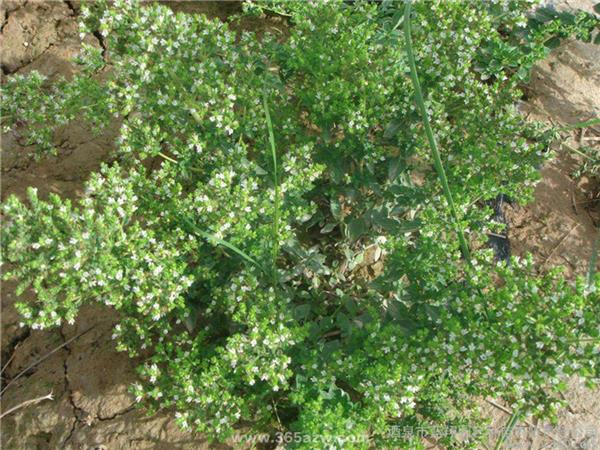
Select plants more than 3 years old, and in late March or early April before they sprout, dig out the mother plant with its roots, then according to the size of the clump, divide it into 4-6 parts; each division should have 4-5 buds, and then it can be planted. In addition, there is also the clump division propagation method. During the growth period, cut the stolons and transplant them.