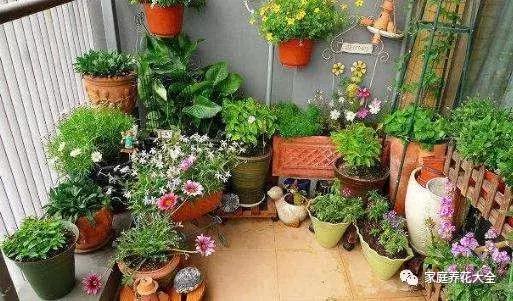
Don't throw away expired pills - use them to grow flowers and they'll keep blooming without pests
Every household probably keeps some common medicines on hand, but these medicines will expire after being stored for a long time. It's a pity to just throw expired medicines away, but if you don't throw them out, they're useless. In fact, using expired medicines to grow flowers works extremely well. The plants won't develop yellow leaves or root rot, and it can even promote earlier flowering.
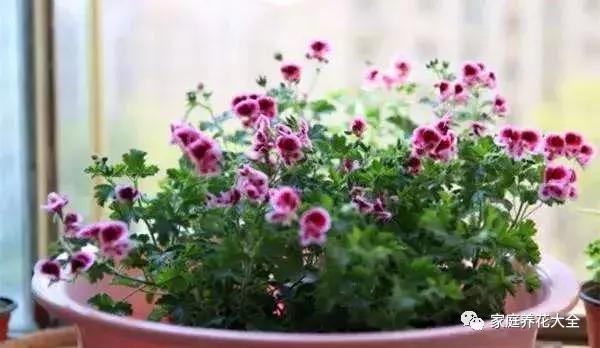
Aspirin
Aspirin is a common anti-inflammatory drug, and most households probably have some. Using expired aspirin to grow flowers has many benefits.
Reducing bud drop
Before the plant blooms, crush 2 aspirin tablets and mix them with 1 kg of clean water. Once dissolved, spray the solution onto the leaves to prevent the plant's flower buds from dropping.
Protecting the root system
When repotting or potting up flowers, crush 2 aspirin tablets and mix them with 1 kg of clean water. Once dissolved, use it to water the roots of the flowers. This can greatly improve the growth state of the root system and help with seedling recovery.
Improving disease resistance of flowers
During the growing season of the flower plant, crush 1 aspirin tablet and mix it with 1 kg of clean water to water the flowers. Apply once a month to effectively prevent diseases such as black spot.
Vitamin B12
Using vitamin B12 to grow flowers can effectively sterilize, promote rooting, and strengthen the root system.
Sterilizing and promoting rooting
When flowers develop root rot, they should be removed from the pot in time, and all the rotten roots cut off. Then crush 1 aspirin tablet and mix it with 1 kg of clean water, and soak the trimmed roots in the solution for about 10 minutes. This can effectively sterilize and help the root system grow.
Strengthening the root system
Hydroponic flowers and plants are prone to nutrient deficiency. We can add half a tablet or 1 tablet of vitamin B12 to the bottle each time we change the water, which can promote better root growth and make the leaves brighter and more emerald green.
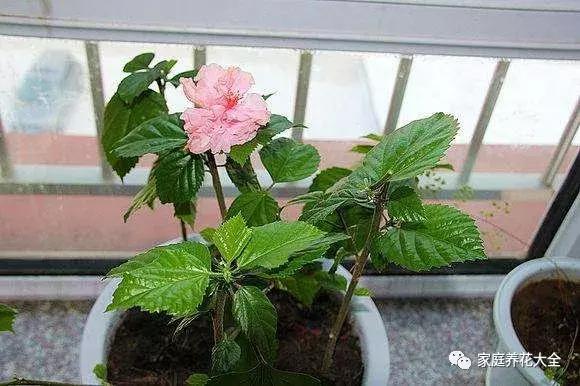
Vitamin C
After mixing vitamin C with clean water, the solution used to water flowers can effectively regulate soil pH, and it can also improve the quality of tap water.
Preventing yellow leaves
Crush 1 vitamin C tablet and mix it into the water used for watering flowers. Using this water to water flowers can make the soil slightly acidic. For acid-loving flowers such as azaleas and gardenias, it can be applied once a month, effectively improving yellow leaves caused by alkaline soil.
Eliminating chlorine from tap water
Tap water in cities has disinfectant added to it for disinfection, which contains chlorine. Long-term use of tap water to water flowers can lead to salinization of the soil. You can put 1 vitamin C tablet into the tap water, then place it in the sun to expose it, which can effectively eliminate the chlorine.
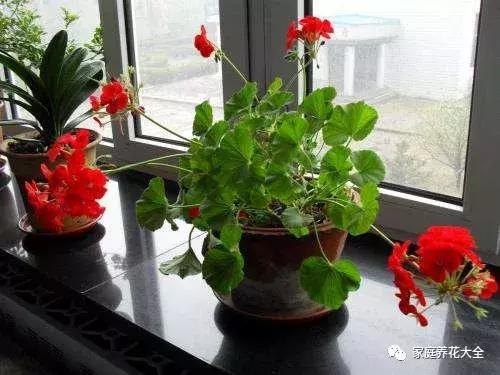
Ferrous sulfate tablets
The human body needs iron, and flower growth also needs iron. When a flower plant is deficient in iron, the leaves will turn yellow. Ferrous sulfate can improve the symptoms of iron deficiency in plants and make the leaves green again.
Preventing yellow leaves
Crush ferrous sulfate tablets and dilute and mix them with clean water at a ratio of 1:1000. Then use it twice a month to water the roots, which can make the soil slightly acidic, benefit the growth of acid-loving flowers, and improve their yellow leaves.
Used as foliar fertilizer
Crush ferrous sulfate tablets and dilute and mix them with clean water at a ratio of 1:500. Then put it in a spray bottle and spray the leaves, which can make the leaves glossy and fresh green, and can also make them grow better.