Using sulfur powder for plants: it both prevents disease and treats root rot
Sulfur powder can be widely used in flower cultivation, especially for disease prevention, anti-rot, and promoting wound healing; used skillfully, it can achieve twice the result with half the effort.
1. Preventing and treating powdery mildew
Under conditions of high temperature, high humidity and poor ventilation, flowers such as roses and crape myrtles are prone to powdery mildew. Fungicides such as carbendazim and Bordeaux mixture have poor effects and cannot control the disease, but sulfur powder has a special effect in prevention and treatment. For powdery mildew on potted flowers, you can put sulfur powder into a small spray bottle of Guilin Watermelon Frost (a medicine for mouth ulcers) that has been washed clean and dried, fill it with sulfur powder and spray it. Before use, it is best to first spray the affected plant with water so that the sulfur powder adheres better.
2. Treating root rot
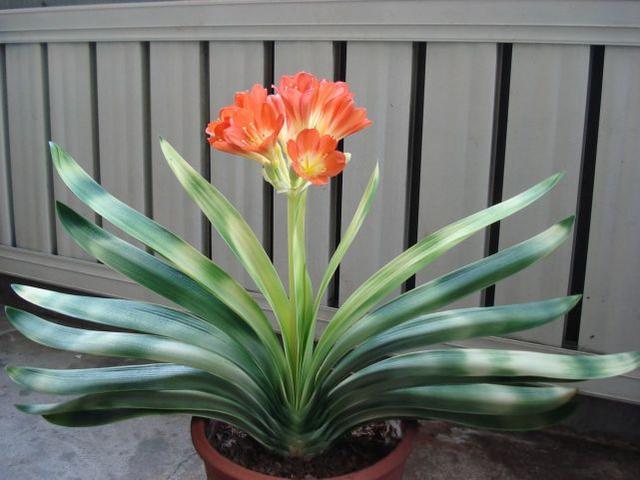
Flowers are prone to root rot, and after root rot it easily causes the death of the whole plant. Many medicines are ineffective, but at this time sulfur powder can be used for treatment. For example, clivia often suffers from root rot due to excessive watering or unclean potting soil. You can knock it out of the pot, remove the potting soil, cut off the rotten roots, rinse the roots clean with water, let them dry slightly, and while the roots are still slightly moist, spray on sulfur powder, then plant with sterilized potting soil. In about 1 month, new roots can grow; if the roots have all rotted away, after spraying sulfur powder you can plant it in plain sand, frequently spray water on the leaves, and after it grows new roots, cultivate it with sterilized potting soil.