Three fertilizing methods every farmer knows, but flower growers may not
How many fertilizing methods are there, and how are they classified? I believe many flower growers do not know, and many people just use fertilizer casually without any real concept of it. Today let us take a look at the 3 common fertilizing methods for home flower growing.

Base fertilizer
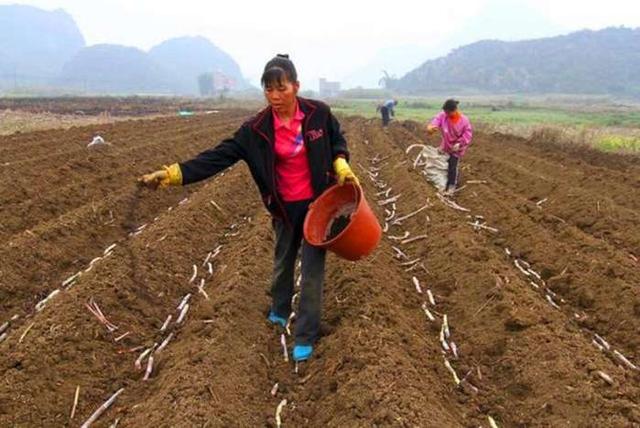
Generally, when sowing flowers, potting them up or repotting them, a certain proportion of organic fertilizer is mixed into the growing soil, with the aim of increasing soil nutrients and supplying the needs of flowers for long-term growth. I generally call this kind of fertilizer organic fertilizer; whether you are growing flowers or crops, it is indispensable.
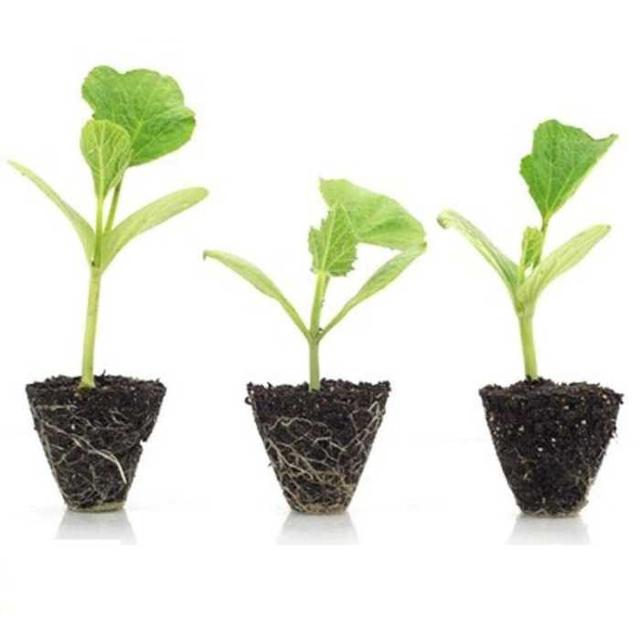
When repotting or potting up flowers, the soil we use is called base fertilizer, meaning the most basic fertilizer. It is actually very important and should not be done carelessly.
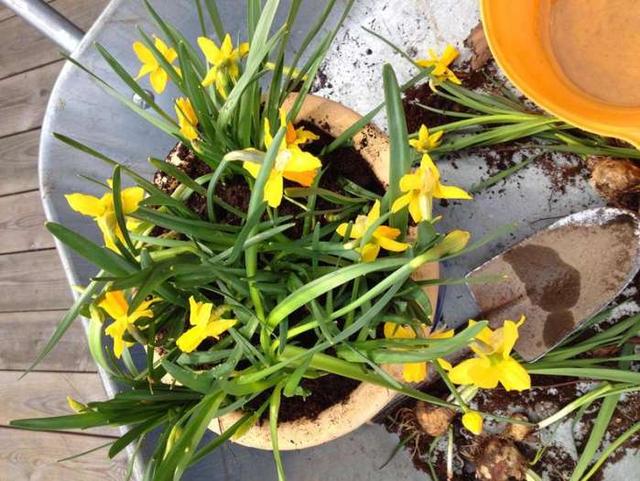
Top dressing
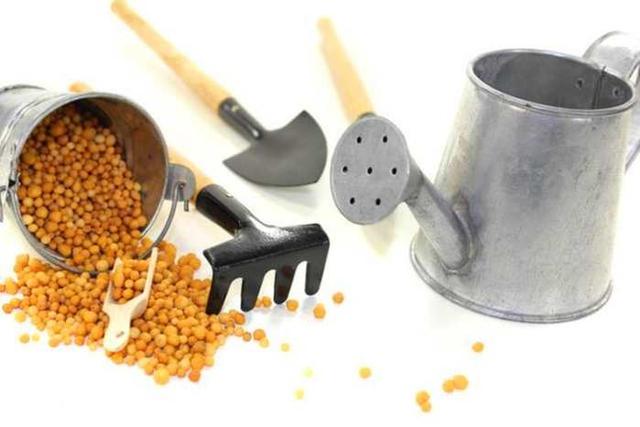
Because potted flowers have little growing soil and limited fertilizer, base fertilizer often cannot meet the needs of flower growth. Fertilizer must be supplemented in time according to the needs of each stage of flower growth, that is, top dressing. Top dressing often uses quick-acting fertilizers, such as chemical fertilizers, well-fermented organic fertilizer leachate, etc. Some people like to sprinkle granular fertilizer directly onto the surface of potted flowers, which is very inadvisable and can easily cause damage. I hope everyone remembers this: granular fertilizer is best buried in the soil and kept away from the root system.
Foliar top dressing
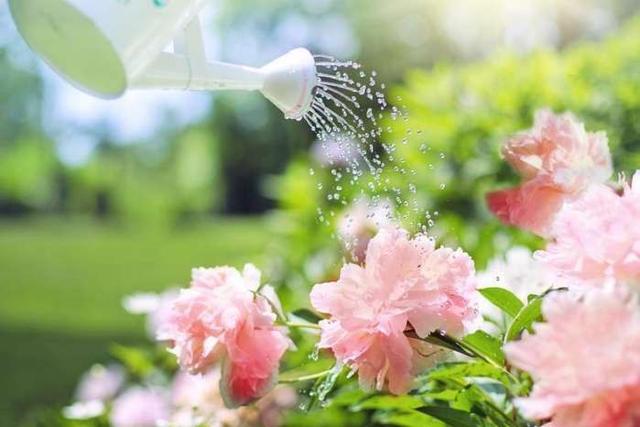
Foliar top dressing, also called leaf fertilization, is a fertilizing method in which a low-concentration solution of water-soluble fertilizer or biological substances is sprayed onto the leaves of growing crops. Many people think lazy-person flower pots need no watering, which is actually completely wrong. Regular foliar spraying with water gives better results.
This method can promptly supplement the insufficiency of nutrient absorption by the flower roots. Foliar top dressing should be done in the morning or evening each day, so that the leaf surface can absorb the fertilizer; never use it at noon in summer. Also, for foliar spraying, the spray bottle chosen should have a good atomizing effect.
A good spray bottle can resist breaking and also gives a fine, delicate mist; whether for adding moisture in summer or for pest control, it is a great gardening helper. In winter, flower growers in the north should remember to also appropriately increase humidity for green plants to avoid the green plants turning yellow.