Use these soil mix methods for growing flowers, and even without fertilizing, the flowers will be big and the roots strong
For a potted flower to grow well, soil is the key. Today I will recommend several of the most commonly used flower soil mix methods for your reference
Common materials for soil mixing:
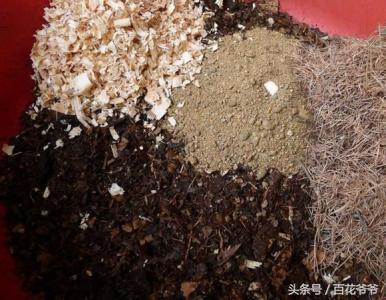 Leaf mold, garden soil, river sand, barnyard manure, rice husk ash, sawdust, peat, silica, black mountain soil, moss, bone meal, sulfur powder, and various fertilizers containing nitrogen, phosphorus, and potassium. According to different plants, choose different materials and mix them in different proportions.
Recommended soil for general herbaceous flowers: mix leaf mold 5 parts + garden soil 3 parts + river sand 2 parts.
Recommended soil for woody flowering plants: mix leaf mold 5 parts + garden soil 4 parts + river sand 1 part.
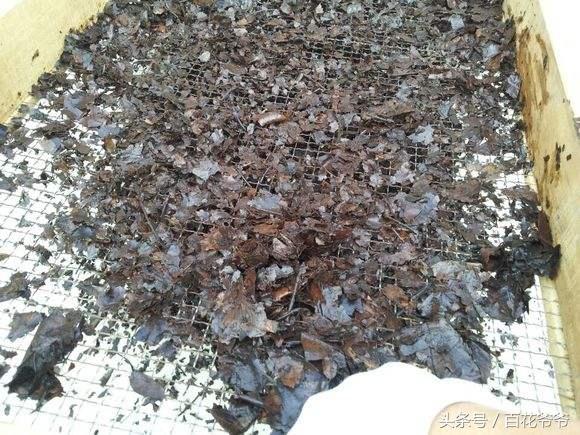 Of course, if you are using it for sowing seeds or growing seedlings, you can refer to these three soil mix ratios
1. Leaf mold 5 parts, garden soil 3 parts, river sand 2 parts;
2. Leaf mold 2 parts, garden soil 1 part, a small amount of barnyard manure, a small amount of sand;
3. Leaf mold 1 part, garden soil 1 part, rice husk ash 1 part, a small amount of barnyard manure;
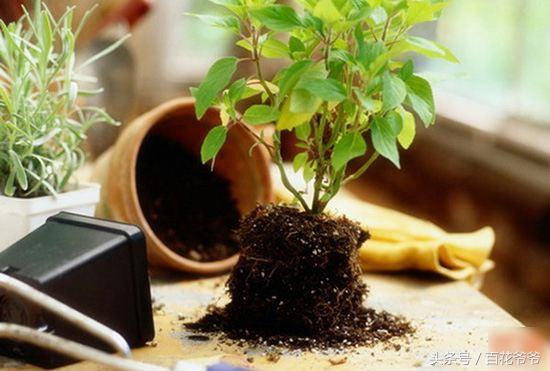 We can also mix different soils according to the preferences of the plants
Shade- and moisture-tolerant plants:
Leaf mold 0.5 part, garden soil 2 parts, barnyard manure soil 1 part, rice husk ash 0.5 part;
Leaf mold 2 parts, river sand 1 part, sawdust or peat 1 part.
Acid-loving plants:
Leaf mold, garden soil, plus a small amount of yellow sand.
Mountain soil 2 parts, peat or sawdust 1 part, plus a small amount of bone meal.
The above ratios are for reference only. Friends, you still need to choose and use them according to your actual care environment. Of course, if you have better methods, you are welcome to share them with everyone. Gathering everyone's wisdom lets us grow flowers better!