Key points to master before repotting flowers to avoid killing them
If you want to grow a really good pot of flowers, repotting is a very important task, but there are also certain techniques to it. Previously a gardening friend told Huahua that every time he repotted, a flower died, which gave him a shadow of fear about repotting. Today Huahua will introduce some knowledge about repotting. Gardening friends who like it can give it a try.
I. The pros and cons of repotting
The benefits of repotting
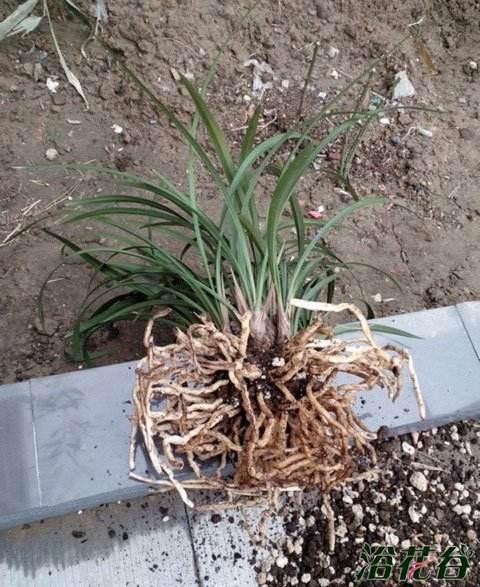
Repotting allows plants to grow better. Renewing the potting soil can also provide more nutrients to the plants, thereby promoting plant growth.
The drawbacks of repotting
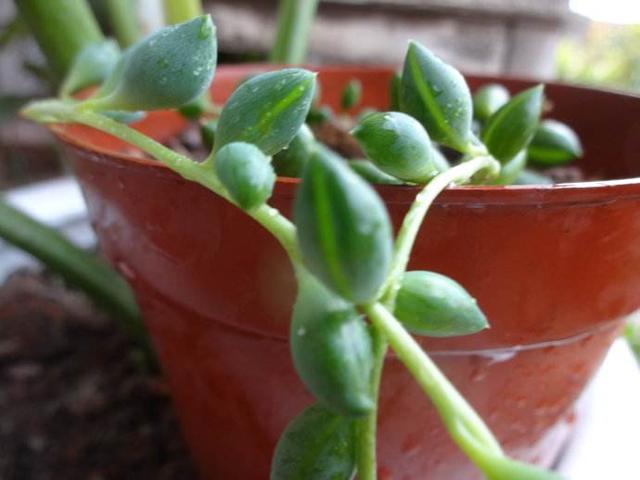
If repotting is done improperly, it can cause great damage to the roots, and the plant may also have difficulty adapting to the new environment, which is not good for the growth of the flowers.
II. Points to note
Stop watering first
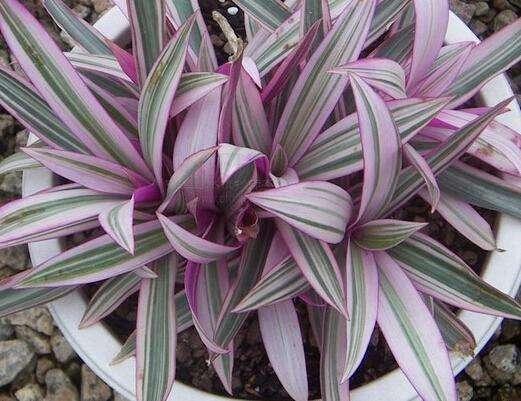
About a week before repotting the plant, watering should be stopped. If the potting soil is too moist, it is not good for repotting.
Never repot frequently
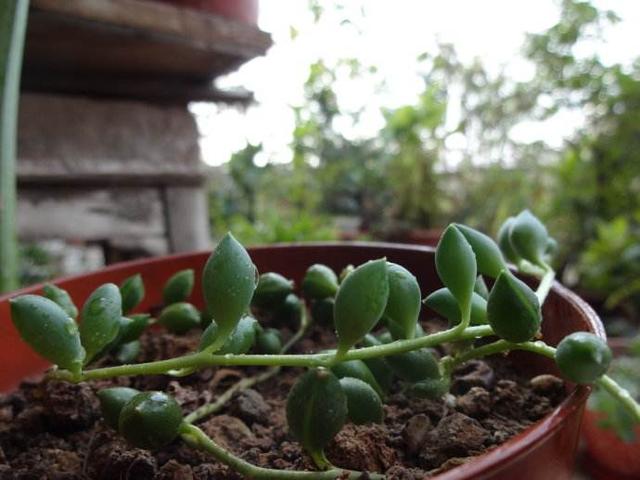
The operation of repotting should be decided according to the plant's growth condition. You cannot repot frequently, as this will affect the plant's normal growth.
Choose the right time to repot
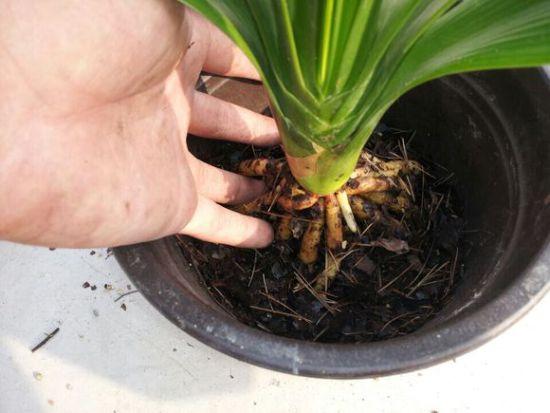
Different plants have different repotting times, so it should be judged according to the growth characteristics of the flowers.
Trim the roots
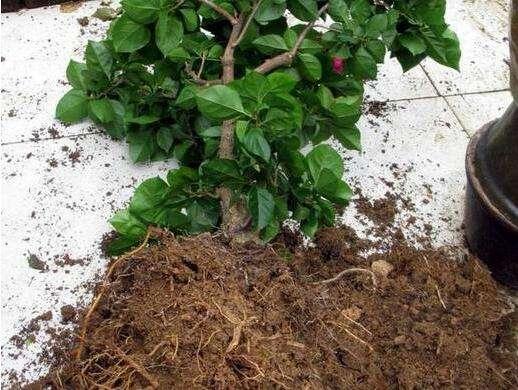
When repotting flowers, proper root trimming should be carried out. Trim off some overly long roots, and also trim off roots that have rotted or withered. This is beneficial to the growth of new roots.
Keep more soil
When repotting, remove two-thirds of the outer soil. The soil in the middle of the roots must not be replaced, and bare-root repotting should be avoided.
Generally speaking, if the temperature is too high or too low, repotting at this time will affect the growth of the plant.
Most flowers are repotted in spring from March to April. Some varieties that bloom in winter or early spring can be repotted in autumn. Flowers with relatively good cold resistance can be repotted in winter or early spring.