5 Secrets to Keeping Flowers Alive in Winter, Taught by Lüdüodüo, a Veteran Flower Grower of 10 Years
As everyone knows, because temperatures are lower in winter, flowers are not easy to keep alive and can die if you are not careful. A veteran flower grower with 10 years of experience teaches you the 5 great secrets to keeping flowers alive in winter. As long as you pay attention to the following points, they can overwinter safely:
1. Winter Watering Techniques
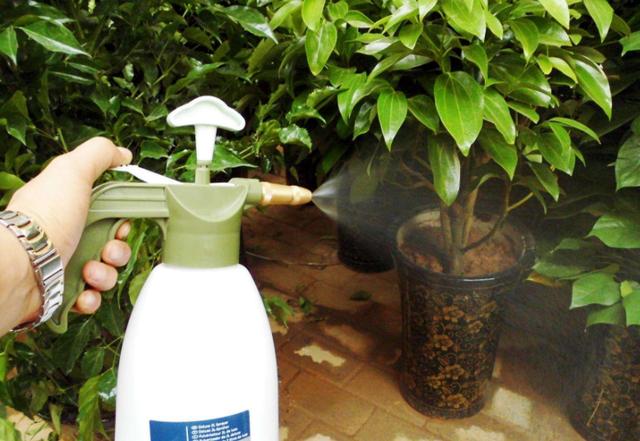
Watering flowers
Key points for watering flowers in winter: watering in winter must be strictly controlled
1. For watering flowers in winter, choose noon on a sunny day when the temperature is higher, or a time when the indoor temperature is higher.
2. For watering flowers in winter, you can choose to use warm water, or mix warm water into cool water.
3. For watering flowers in winter, appropriately control the number of times you water, and follow the rule of not watering until dry, and watering thoroughly when you do (for certain flowers, you can choose to spray or even not water at all).
2. Ventilation Techniques
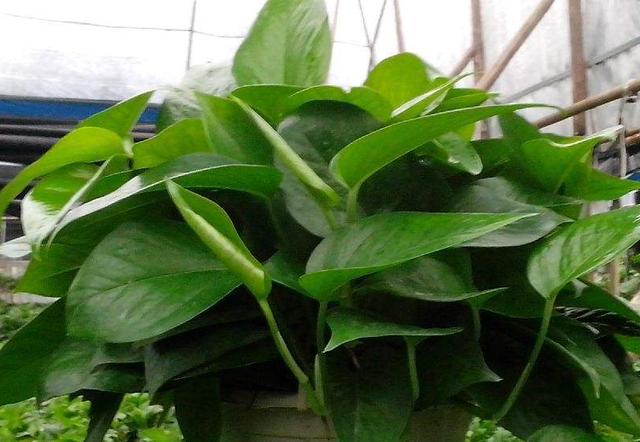
Ventilation
Key points for opening windows for ventilation in winter: avoid direct wind
Although temperatures are lower in winter, some flowers are still better off with some ventilation through an open window. When ventilating, pay attention to the following points
1. Choose to place them on a south-facing balcony, and ventilate when a north wind is blowing or there is no wind
2. Avoid wind blowing directly onto the flowers; you can appropriately block the vent.
3. Ventilate around noon, and avoid doing it on days with a large temperature difference.
3. Temperature and Fertilizer
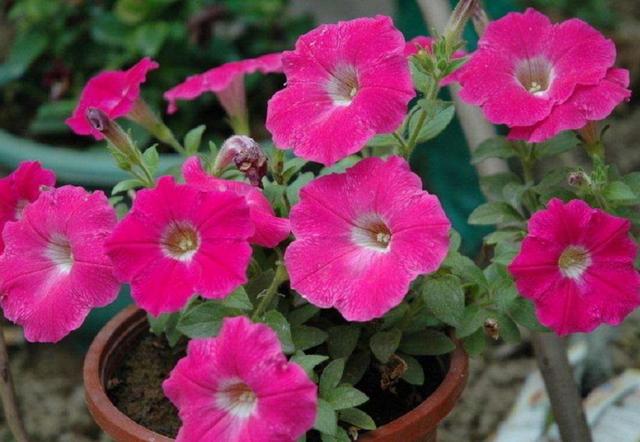
Key points for temperature control and fertilizing: keep the indoor temperature at 10°C, and apply enough base fertilizer.
1. When growing flowers in winter, at night appropriately place the flowers near the heating or away from windows and similar positions (do not place them on the floor where there is underfloor heating).
2. On winter nights, you can put a plastic bag over the flowers, which has a certain effect of raising and maintaining temperature.
3. For the surface soil of the flower pot, choose leaf mold or composite soil, and at the same time it should have a certain base fertilizer effect.
4. Before winter arrives, remember to repot the flowers, and apply enough base fertilizer at the bottom of the pot.
4. Pruning
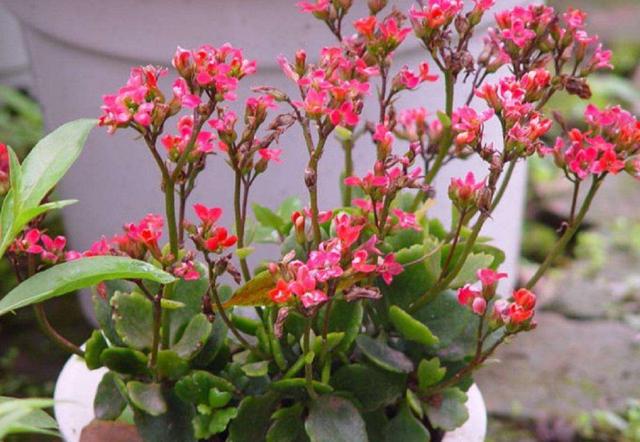
Pruning techniques for growing flowers in winter: seven parts management, three parts pruning; pruning mainly involves thinning branches and cutting back
1. For flowers preparing to overwinter, prune in advance; the time range starts from when the branches stop growing in late autumn.
2. For any flowering tree or shrub that blooms in spring, do not prune heavily in winter; only cut off the autumn shoots without flower buds.
3. For any flowering tree or shrub that blooms on the current year's branches, prune heavily in winter (such as: rose, hibiscus, jasmine)
5. Use a Sponge to Regulate the Moisture of Potted Flowers and Plants

Placing a sponge at the bottom of the flower pot has many benefits.
Cut the sponge to the size of the flower pot and place it at the bottom of the pot. This is beneficial for growing most flowers. First, it will absorb the excess water in the pot, making it less likely for the flowers to become waterlogged and show signs of stem rot. When the soil dries out, the soil itself will draw the water out of the sponge and supply it to the roots of the flowers. With this magic tool, we no longer need to worry about root rot.
That is all for today's introduction of little tips for growing flowers through the winter,
If you have good flower-growing tips, feel free to tell the editor,
so that more people who grow flowers can benefit,
If you like the content, remember to save and share it,
and tell the flower friends around you. (* ̄︶ ̄)