Epsom salt has so many benefits for growing flowers, I wish I had known sooner
Using a little Epsom salt on the plants below can make them grow lush and healthy. Some friends may ask what Epsom salt is - it is actually magnesium sulfate, mainly supplementing the magnesium that plants need for growth. When plants lack this element, they tend to wilt or droop easily.
Tip: Although Epsom salt has many benefits for plants, it should be used in moderation and in small amounts.
The benefits of Epsom salt for growing flowers:
1. Get sweeter fruit
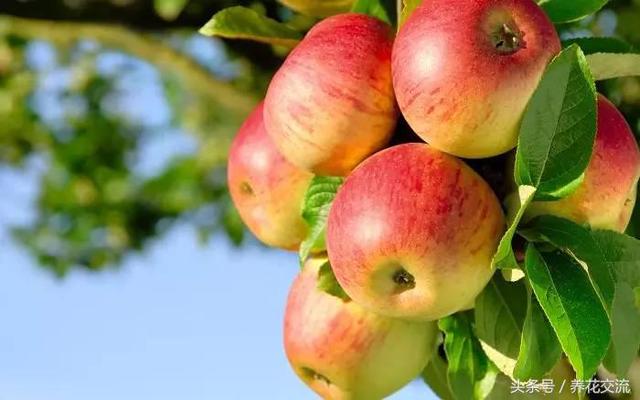
Adding a little Epsom salt to fruit trees can make their fruit sweeter, but pay attention to the dosage: use 50 ml per 0.09 sq m. It can increase the chlorophyll content in plant cells, which promotes photosynthesis, making plants grow stronger and producing sweeter fruit, and can also increase yield.
The main targets are apples, peaches, pomegranates and plums. In fact, some pesticides contain magnesium sulfate as an ingredient - you will notice it if you look carefully.
2. Help plants absorb more nutrients
Epsom salt is also an excellent fertilizer that can enhance a plant's ability to absorb nutrients. Epsom salt contains magnesium, a mineral that can boost the nutrients plants need for growth, mainly by improving their ability to absorb nitrogen, phosphorus and sulfur.
3. Avoid transplant failure
Many beginners easily fail during the plant transplanting process, especially with some seedlings, which are hard to recover. When you transplant some plants, you can sprinkle 50 ml of Epsom salt at the bottom of the pot, then add a layer of soil, and then plant the plant. Do not let the plant roots come into contact with the Epsom salt. This can greatly improve the success rate of transplanting.
4. Help tomatoes bear more fruit and grow healthier
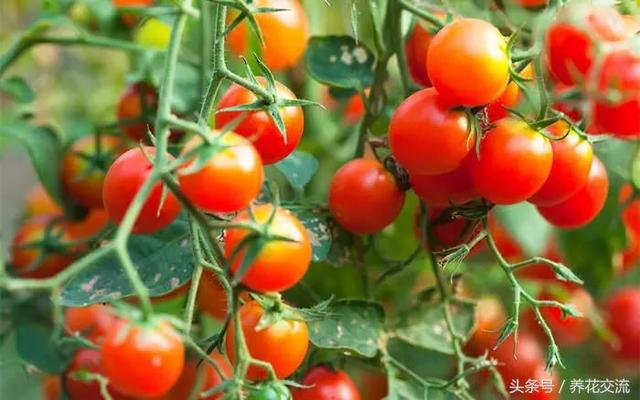
Tomatoes are prone to magnesium deficiency, and especially tend to fail during transplanting. To solve these problems, you can use Epsom salt. The method is also fairly simple: mix 100 ml of Epsom salt with 4 liters of water, stir well, and use it to water potted tomatoes. Just water thoroughly each time, generally once every 2-3 weeks, and do not use it too frequently.
5. Yellowing leaves
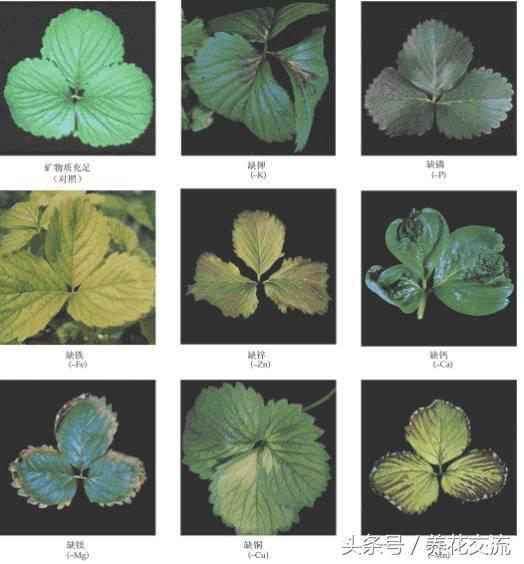
If you can determine that the plant's leaves are withered and yellow because of magnesium deficiency, you can use Epsom salt. Magnesium deficiency in plants easily causes insufficient chlorophyll, making photosynthesis impossible. When the potted plant grows to 30 cm, you can bury 50 ml of Epsom salt in the soil at the edge of the plant's base, once a month, until the leaves turn green.
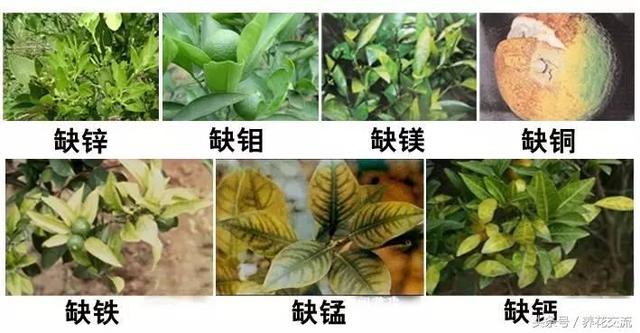
So how do you determine whether a plant has yellowing leaves from magnesium deficiency? Just look at the diagram above.
6. Prevent leaf curling
When plants lack magnesium, the leaves curl inward or upward. In this case, you only need to bury some Epsom salt at the base of the potting soil to help the plant absorb it better, and the plant can recover its growth. The best method is to mix 100 ml of Epsom salt in 4 liters of clean water, stir well, and then spray it onto the leaves.
8. Make roses and Chinese roses bloom better
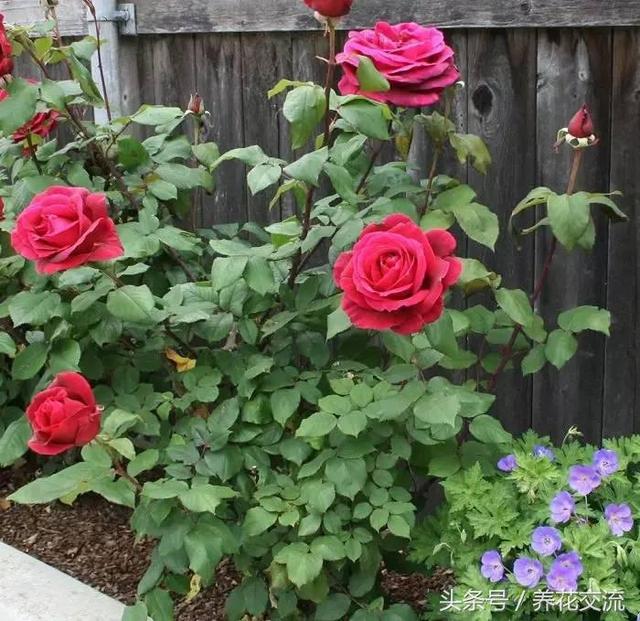
Using Epsom salt helps increase chlorophyll, which benefits the growth of roses and Chinese roses. In addition, it can promote the formation of more flower buds and encourage flowers to open. Adding some Epsom salt when transplanting roses can help them recover growth well. It is best to soak the rose roots in an Epsom salt solution before planting. The ratio of Epsom salt to clean water is 100 ml : 4 liters.
Search on WeChat for the official account: Yanghua Jiaoliu, WeChat ID: yanghuajiaoliu; exchange flower-growing questions with flower enthusiasts across the country.