Add a little wood ash when growing potted flowers to prevent pests and diseases and promote vigorous growth
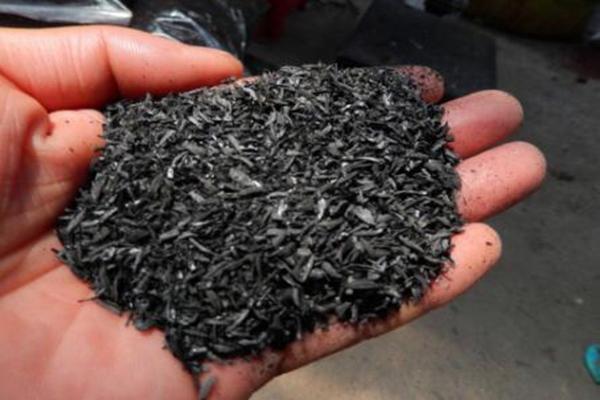
Wood ash, as the name suggests, is the residue left after plants are burned. It is a loose-textured quick-acting potassium fertilizer that contains potassium, phosphorus, calcium, iron, magnesium, sulfur and other available nutrients. Wood ash not only supplies flowers with potassium and other nutrient elements, but also has a good effect on preventing and controlling flower pests and diseases. Today we will talk about the amazing effects of wood ash on specific flower diseases!
1. Controlling underground pests. When raising seedlings, the seedling beds of bulbous flowers often suffer damage from underground pests such as white grubs. Using wood ash as a base fertilizer for control, or covering the seed bulbs with wood ash, can significantly reduce the damage.
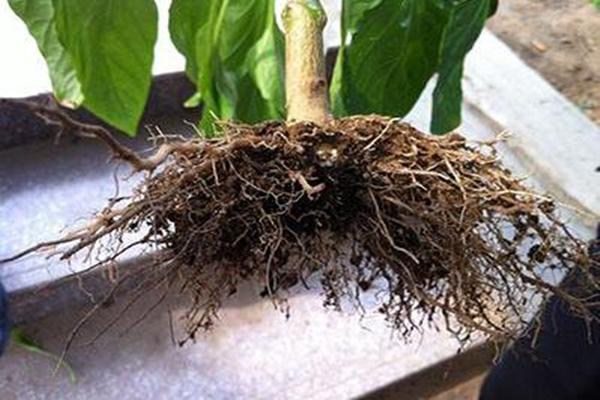
2. Controlling root rot. Wood ash has a very good control effect on flower root rot. The specific method is to first dig away the soil around the roots and remove the soil around the rotten roots. Scrape off the diseased root bark, apply 0.5 to 1 kg of wood ash per plant to cover the roots, and then cover with soil.
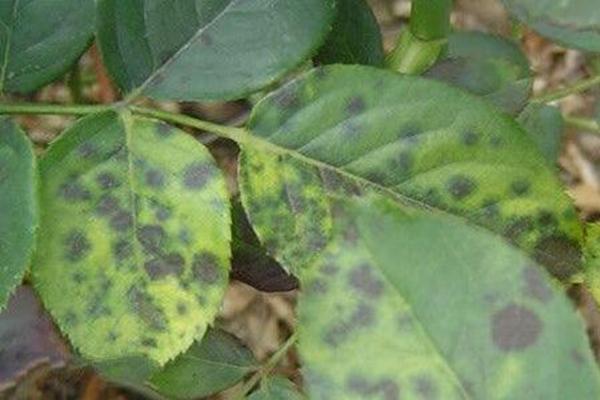
3. Controlling leaf spot disease. Mix 3 kg of wood ash and 1 kg of quicklime powder thoroughly and spread it, 40 to 60 grams per pot, or sieve and dust it, or simply spread wood ash alone.
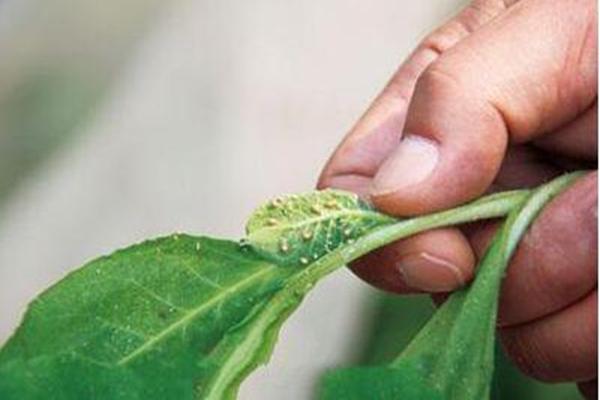
4. Controlling aphids. Grind wood ash into powder and sieve it, then in the early morning when the dew has not yet dried (or after first sprinkling water) dust the wood ash onto the bodies of the aphids. You can also put the ash in gauze and shake it out, then dust again after three to five days, for 2 to 3 consecutive dustings.