Don't throw away used plastic bags - they have many clever uses for growing flowers and greenery
Greenery is a very popular kind of indoor potted plant nowadays, and growing greenery is very simple and convenient these days. Gardeners can learn a lot of care experience online, and flower lovers can also exchange their own experience. Recently a flower lover shared a very practical item for growing greenery, and that is the plastic bag.
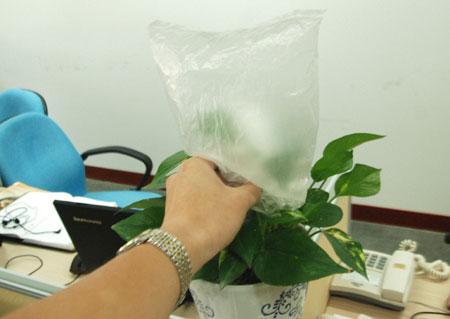
Plastic bags are easy to get, and they have many uses for growing greenery. Today let's learn about them together.
1. Maintaining humidity
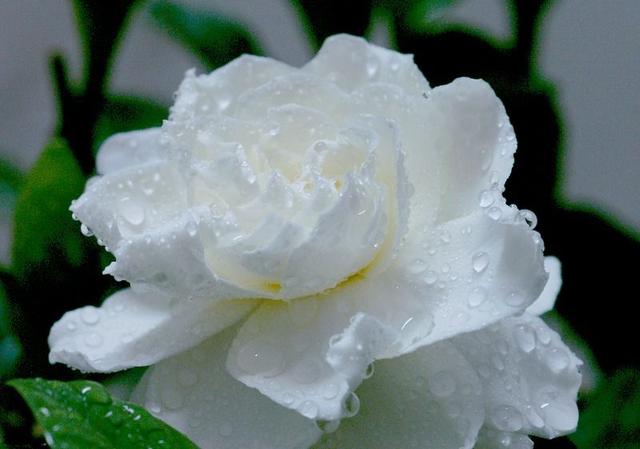
Gardenia leaves are fresh and emerald green, and after blooming the flowers are pure white and smell very fragrant. Gardenia likes an environment with relatively high air humidity. During normal care, besides watering, you should also spray water around it and on the leaf surface often to increase the moisture in the air. If the gardenia was just bought back from a greenhouse, the humidity at home cannot compare with that of the greenhouse, so you can first cover the gardenia together with its pot with a transparent plastic bag, then poke a few holes in the plastic bag. This keeps humidity in while allowing good ventilation. The holes in the bag can gradually be made a bit bigger, and in about a week the gardenia can adapt to the environment.
2. Forcing flower buds
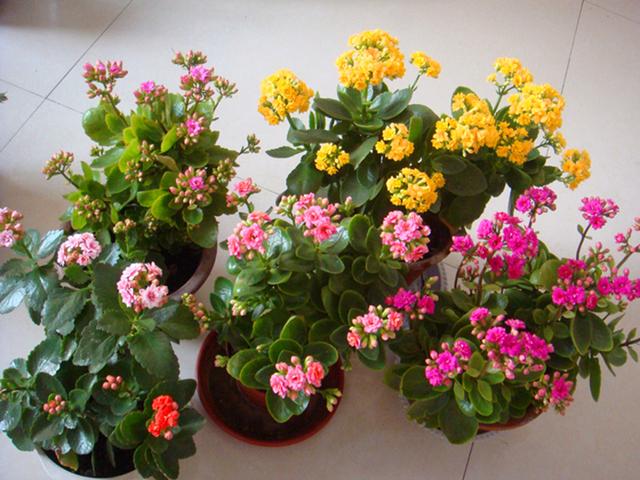
Winter is quite suitable for growing Kalanchoe blossfeldiana, because winter is the flowering season of Kalanchoe blossfeldiana, and its flowering time is relatively long, which is also why it is named "longevity flower". Black plastic bags are very useful for prompting Kalanchoe blossfeldiana to grow abundant and plump flower buds.
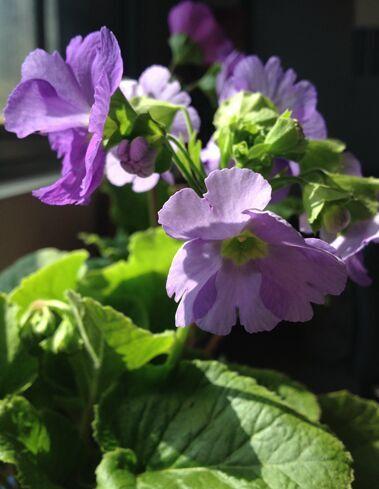
Kalanchoe blossfeldiana is a short-day plant, meaning the lighting time can be shorter than the dark period. However, for Kalanchoe blossfeldiana grown indoors, besides sunlight, there is also light from lamps at night. So after the sunlight period, we can cover the Kalanchoe blossfeldiana with a black plastic bag. If you worry it is not dark enough, you can put on several layers, then take it off during the day to let the Kalanchoe blossfeldiana get sun. Continue this for about a month, and flower buds will grow.
3. Grafting
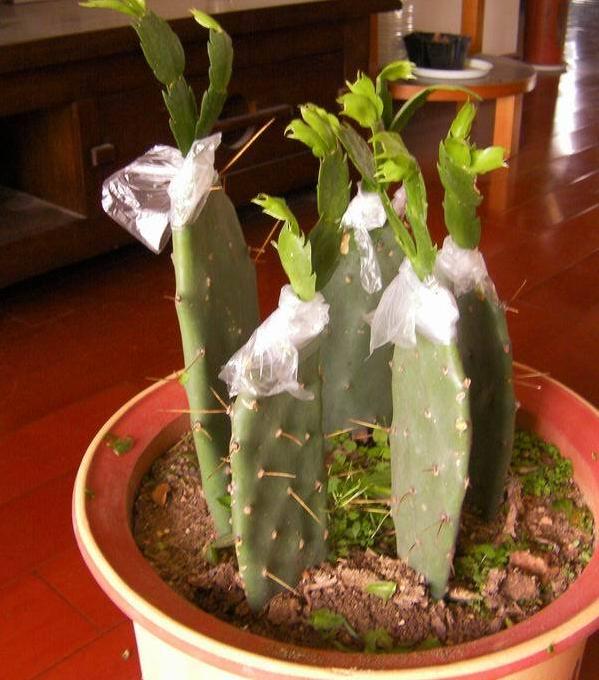
Schlumbergera is a very popular indoor decorative plant. It happens to bloom at Christmas and New Year's Day, which can add a festive atmosphere. When growing Schlumbergera, flower lovers certainly all know about grafting Schlumbergera. Grafting can avoid the problem of Schlumbergera easily dropping leaves and flower buds, and can also better shape the Schlumbergera.
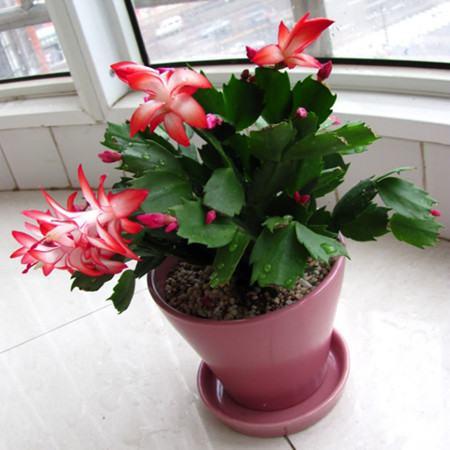
Cactus is a relatively common grafting rootstock. The cut at the grafting site must match the Schlumbergera. The Schlumbergera branch used for grafting should be a bit longer; generally one about 10 cm is very suitable. After drying it for 3 to 4 days, you can graft. If the scion is unstable, you can secure it. Putting a plastic bag over the grafted Schlumbergera can increase humidity, which is good for sprouting and even better for the graft to survive.
4. Keeping warm
Many flower lovers like the money tree (Pachira aquatica) very much. It not only decorates the home, but can also absorb formaldehyde from the air. Together with its auspicious name, many friends who have just opened a business will buy a pot. The money tree has certain requirements for the humidity and temperature of the care environment. In autumn and winter, the money tree may develop yellow leaves, and then plastic bags can come in handy.
When the temperature is relatively low in winter, you can put a plastic bag over the money tree, but the flower pot does not need to be wrapped, otherwise the potting soil will not be ventilated enough and the plant will instead easily rot at the roots. Also, for the wrapped trunk and canopy parts, remember to make holes for ventilation. After putting the plastic bag over the money tree, just place it in a spot with scattered light. Direct sunlight will cause the temperature inside the plastic bag to be relatively high, which is not good for the money tree's growth.
5. Fertilizing
Actually, besides plastic bags, many things in daily life can be used to grow greenery. For example, rice washing water is a natural fertilizer. After fermentation, rice washing water is rich in nutrients and slightly acidic. After dilution, using it to water greenery can prevent leaves from turning yellow. But rice washing water cannot be used directly, otherwise it will easily rot in the soil, easily attract insects, and also easily cause root burn in greenery.
However, many flower lovers say that fermenting rice washing water not only takes a long time, but also gives off an odor, so generally when watering they mix in some nutrient solution.Ni-dong-de organic nutrient solutionIt can be used to water the roots, and can also be sprayed on the leaf surface. It is rich in trace elements, letting greenery get double nourishment from the roots and leaves, improving the soil environment, and bidding farewell to insufficient nutrients for your flowers.
What greenery have you grown, and do you have any good methods for growing greenery? Exchange experience more, and growing greenery will become easier!