Green Duoduo, a veteran flower lover with 15 years of experience, teaches you to grow flowers without buying fertilizer; these few tricks are enough
Growing flowers means you can't do without fertilizer, and many people go out and buy fertilizer, but actually there's no need at all. A flower lover with 15 years of flower-growing experience teaches you the little tricks for growing flowers without buying fertilizer. Learn them and you'll benefit greatly, and they are extremely easy to get.
1. Peanut shells
I believe everyone has eaten peanuts, and this editor loves them. Most of the peanut shells left after eating are just thrown away, but little do people know they are excellent fertilizer for growing flowers. So how exactly are they used?
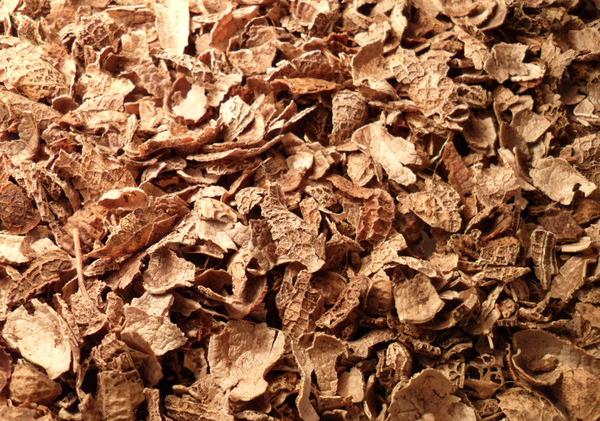
Peanut shells
Never throw away peanut shells after eating them. They are rich in nitrogen fertilizer and are a very good fertilizer. They can be spread directly at the bottom of a flower pot, or after being burned, the remaining ash can be mixed directly into the soil. It is a very high-quality nitrogen fertilizer, especially for roses (Rosa) and camellias (Camellia), flowers that like nitrogen fertilizer. For them, it is an absolutely excellent fertilizer.
2. Hay
Hay, you could say, can be seen everywhere. There's no need to even mention rural areas; even if you live in a big city, it is very easy to find. In the flower beds of many residential communities and in parks, it can be seen everywhere. In late autumn or early winter, collect some hay (if it is not dry enough, it must be dried sufficiently in the sun).
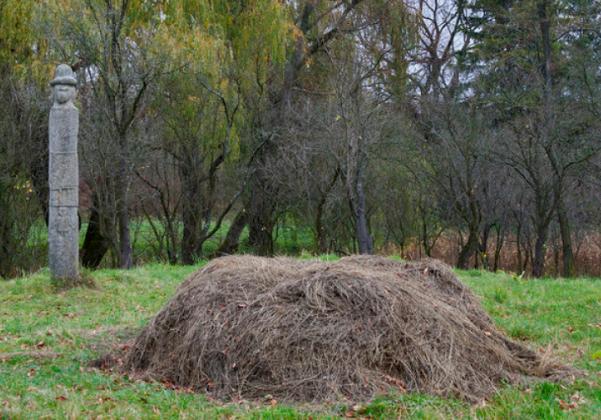
Hay
How to use: same as above. Spread the collected hay directly at the bottom of the flower pot, or after burning it, mix it with soil at a 2:1 ratio and use it directly as the pot soil for the flower pot. The effect is very good.
3. Soybean residue
Many people love drinking soy milk, and they make it themselves directly with a soy milk machine, fresh and healthy. But most people choose to throw away the leftover soybean residue, even though it is actually a very good fertilizer.
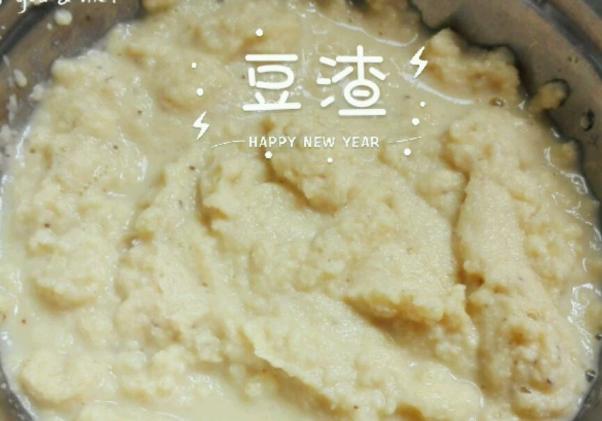
Soybean residue
How to use: Put the soybean residue into an empty container, then pour in 3 times the amount of water. Don't fill it too full. Then place it in a sunny spot. After three months, it can become very good fertilizer. After fermentation, mix the soybean residue water with clean water at a 1:10 ratio, then pour it directly into the flower pot, and the flowers will grow especially beautifully.
4. Eggshells
Many people love eating eggs, whether adults or children, and they can be found everywhere. If we can usually collect the leftover eggshells and use them to grow flowers, that would be just perfect.
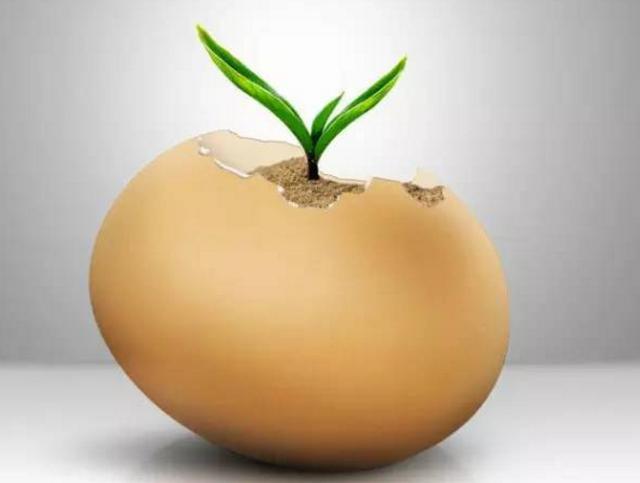
Eggshells
How to use: Dry all the collected eggshells in the sun until they are completely dry, then crush them, the finer the better. Mix the eggshells and soil at a 1:3 ratio and stir evenly. Then put all the fertilized soil into a plastic bag, seal it for one week, and afterward it can be used directly to plant flowers. Eggshells are rich in calcium and trace elements, which are especially beneficial for the growth of branches, especially for bamboo-type plants, with particularly good results. (Burying eggshells directly into the flower pot is also okay, but note they must be dried in the sun.)
5. Leaf mold
Leaf mold is also very common. In the residential communities, gardens, and parks where we live, it can be seen everywhere. Just go to a park and look for soil that is relatively loose and soft and at the same time mixed with many leaf fragments; that's it.

Leaf mold
How to use: First, it must definitely be rotted and already semi-dry and blended together. Second, according to how much fertilizer the flowers being planted need, mix it in an appropriate ratio. Generally, the ratio of rotted leaves to soil is no less than 1:3. It can be used entirely as the soil for planting flowers, or a thick layer can be spread on the surface of the flower pot, and at the same time it can also play a role in keeping warm.
The above is the content introduced to everyone today about fertilizer for growing flowers.
I hope everyone will like it and that it will be helpful to flower lovers.
If you have a good flower fertilizer method, you can also leave a comment and tell me.
I will organize them and share them with more flower lovers.
I hope everyone can make progress together.
If you like it, remember to share it, (* ̄︶ ̄)