Kalanchoe and Christmas cactus pruning tips: trim them and they bloom continuously year after year
Winter is the blooming season for flowers like kalanchoe and Christmas cactus. These are basically short-day plants, and because winter days are short, this triggers blooming, bringing some gorgeous color to the lonely winter. But does your plant bloom just this once and then wait until next year? Actually, as long as you know some basic pruning methods, these flowers will keep blooming.
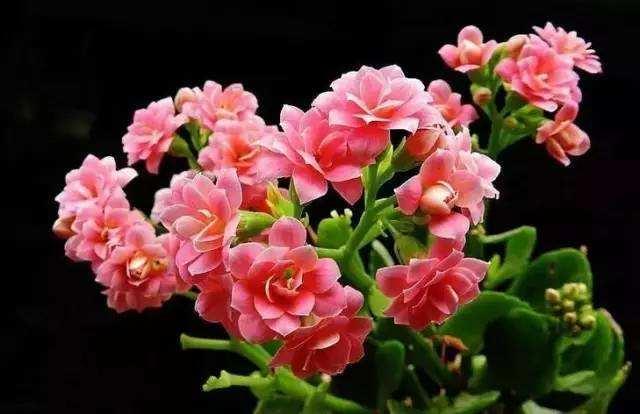
1. Kalanchoe is a popular flower in recent years, with a wide range of colors and a super-long blooming period, and is deeply loved by people. After kalanchoe finishes blooming, we need to prune and fertilize it in time, and after a month, flower buds will appear again.
When kalanchoe has bloomed for a long time, becomes dry and withered, and the flowers no longer have ornamental value, that is when we should prune. Cut off these remains together with the flower stem, cutting from 2 pairs of leaves below the flower stem, so it can sprout more side shoots and produce more flower buds.
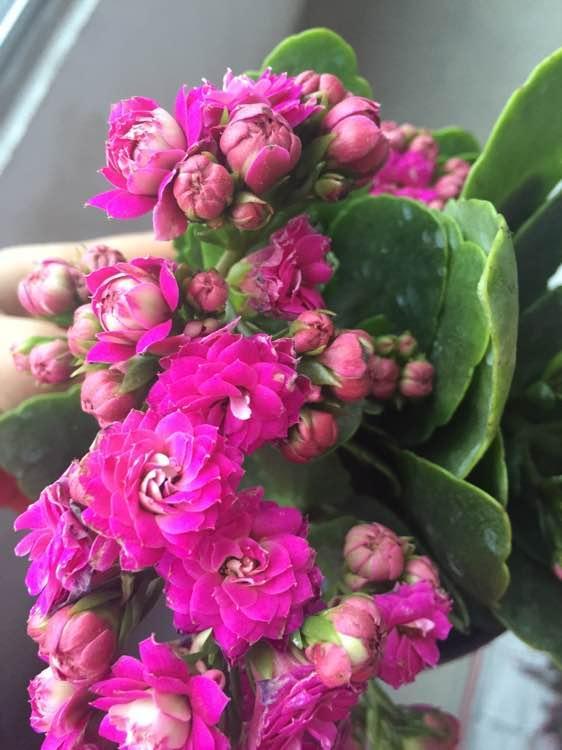
After cutting off the flower stem, fertilize in time. Dig 2-3 small holes along the edge of the pot, without touching the roots, put 2-3 granules of compound fertilizer in each hole, and cover with soil.
2. Prune the spent flowers of Christmas cactus in time and it will be covered with flower buds again, blooming twice a year
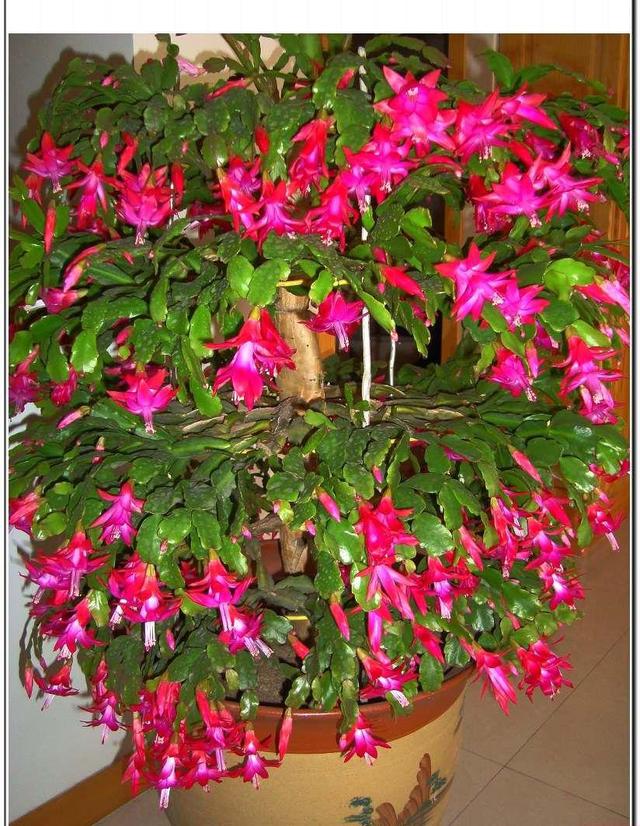
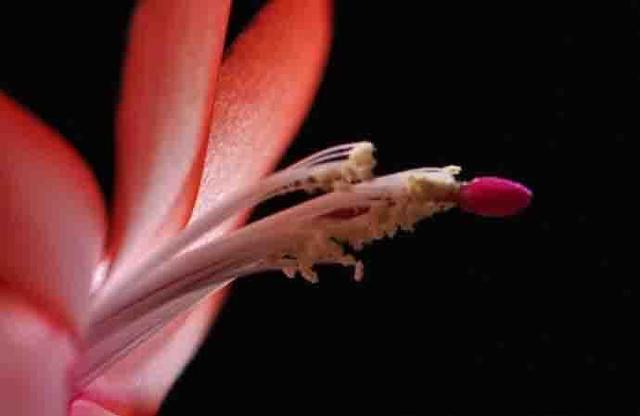
When the Christmas cactus flowers are almost finished blooming, if we want to propagate new varieties ourselves, we can hand-pollinate. Because the Christmas cactus has short stamens and a long pistil, they can hardly meet, so if we want to cultivate new varieties ourselves, we can use a cotton swab to take some pollen from the pistil of one flower and brush it onto the stigma of the pistil of another flower of a different variety. In this way, after pollination, once the flowers fade, there will be seed pods. After a few months when they mature, it is possible to cultivate a new variety of flower.
When the Christmas cactus flowers have faded, we should prune the spent flowers in time, so as not to consume more nutrients.
When pruning, cut at the middle node between the 2nd and 3rd leaf below the spent flower, that is, cut off the 2 leaves below the flower.
Of course, if your Christmas cactus leaves are too long, you can cut off a few more nodes, leaving only 7-8 nodes on each stem.
For the pruned Christmas cactus, first apply a flower fertilizer with balanced nutrients, then one week later apply Huaduoduo or potassium dihydrogen phosphate solution once, mixed evenly with clean water at a ratio of 1:1000 and watered at the roots.
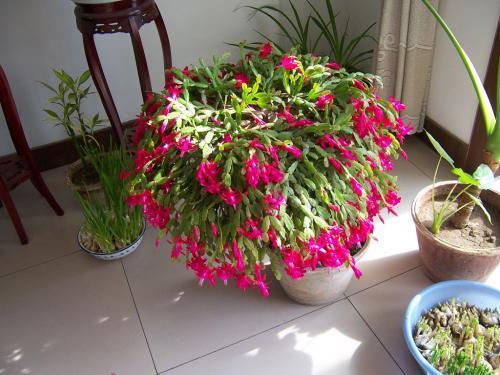
Then ensure about 8 hours of light per day, and shade it the rest of the time. After a period, the Christmas cactus will grow new leaves and flower buds.
Prune anthurium like this after blooming and you can enjoy flowers all year round
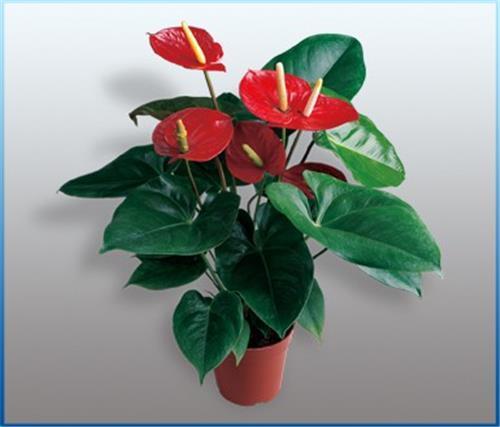
If anthurium is well cared for, you can see flowers all year round. If the anthurium flowers start to become dry or turn brown, cut them off quickly, otherwise they will consume a lot of nutrients and affect the next blooming.
Cut the flower spike off from the base, then fertilize the anthurium. Fertilizer can be applied when the temperature is between 10°C and 30°C. Fill a mineral water bottle with clean water, put in three or four granules of compound fertilizer, shake well, and water the anthurium once a week. Apply light fertilizer frequently, place it in a spot with diffused light, and do not expose it to strong sun. It will bloom again soon.
Rieger begonia
Rieger begonia and wax begonia also bloom frequently, but they must be well cared for for the flowers to be more vivid and fresh.
Rieger begonia flowers are especially beautiful when in bloom, but they also need careful care. Rieger begonia likes a warm and humid environment. In winter, when the weather is dry, you can appropriately spray water on the leaves and around the plant, but do not spray it on the flowers.
When the flowers begin to lose their luster and turn brown or gray, you can prune them. Disinfect the scissors before cutting, to avoid causing black stems.
After cutting the flower stems, keep it in an environment with diffused light, and do not water unless it is dry. Fill a mineral water bottle with clean water, put in three or four granules of compound fertilizer, shake well, and water the flowers. Apply light fertilizer frequently to supplement nutrients, and it will soon develop flower buds again.