A man in his seventies nearly died growing plants indoors; these toxic green plants should not be kept at home
A while ago, nearly 70-year-old Old Xu of Zhejiang rubbed a wound with a common indoor plant, "dumb cane" (Dieffenbachia) (because his foot itched intensely, he scratched the itchy spot with his hand), which unexpectedly caused the poison to attack his heart, leaving him critically ill... Such tragedies are not isolated cases!
As early as 2012, there was a report titled "Thought it was another kind of taro and wanted to taste it: 13-year-old boy took one bite of dumb cane and was poisoned for eight hours." A little boy in Linping, Hangzhou, saw the green, fresh-looking stems and leaves with roots that his father had pruned from a dumb cane, became curious, and took a bite.
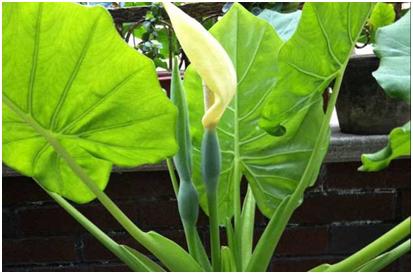
A few minutes later, the boy felt a sore throat, numbness in his tongue, nausea, and stomach pain. When he was taken to the hospital, his face was pale, he kept retching and drooling, and his throat was severely swollen; one step later and it might have caused fatal airway obstruction. After 8 hours of emergency rescue, treatment, and monitoring, the boy's poisoning symptoms gradually disappeared and he was out of danger.
Growing green plants can add a bit of greenery indoors, but you may accidentally grow toxic plants. Below, the editor teaches you a trick to spot the good ones: some are strictly forbidden to grow indoors, some can be grown but must be placed out of children's reach, and some can be grown but their sap must not be touched.
Oleander
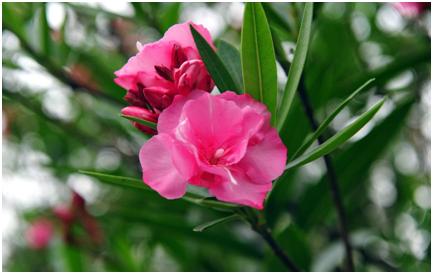
Oleander is very beautiful, but the whole plant is highly toxic: its sap can cause numbness when it touches the skin, and ingestion can be fatally dangerous; inhaling its fragrance for a long time can cause drowsiness and slow reactions. Because of its strong ability to absorb harmful gases, it is mostly planted in places with a lot of smoke and dust. As long as you do not come into "close contact" with it, it will not have adverse effects on the human body.
Corn poppy

The whole corn poppy plant is toxic; it resembles the opium poppy flower but is not one. The seeds are the most toxic, and accidental ingestion can cause central nervous system poisoning. As long as it is not eaten, there will be no problem. If you grow this flower at home, be sure to put it somewhere children cannot reach to prevent accidental ingestion.
Datura
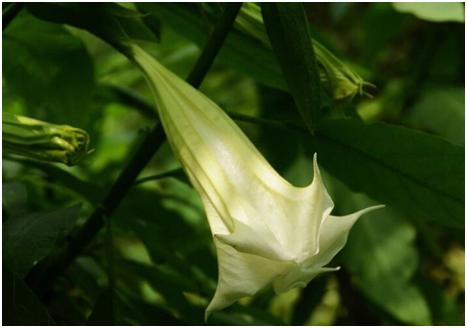
The whole datura plant is toxic, with the seeds and young leaves being the most toxic. After accidental ingestion, there will be dry mouth and fever, dizziness and headache, and hallucinations; in severe cases, it may cause cyanosis and coma. Datura pollen has hallucinogenic effects, and after the flowers bloom, it easily causes allergic reactions, chest tightness and discomfort, and difficulty breathing. It is not suitable for indoor cultivation.
Lucky bamboo? No: Chinese evergreen, monstera, and pothos
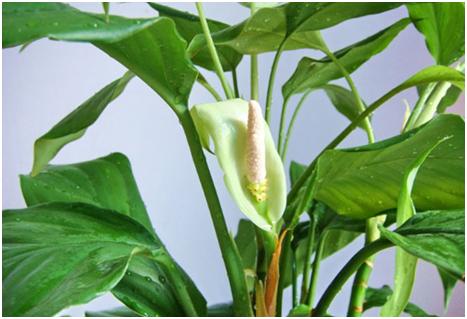
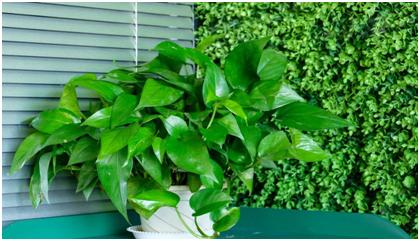
Chinese evergreen, monstera, and pothos are plants of the Araceae family, and most plants in this family are toxic. Even if they are grown at home or in the office, try to avoid touching their sap; as long as you do not directly touch the sap with your hands, it will not cause poisoning. In addition, many people now grow pothos hydroponically; if you touch the water they are grown in, as long as you do not drink it, there is generally no harm.
Aloe
Everyone knows aloe's beauty benefits, and many people also apply fresh aloe leaves directly to their faces, but few know that some aloe is toxic. Accidental ingestion may cause poisoning reactions or even endanger life, and this toxin must be removed with professional equipment, so by no means should you casually use aloe at home on your own.
Anthurium
The whole anthurium plant is toxic, and accidental ingestion can cause hoarseness and swelling of the throat; if the sap touches the skin, it must be rinsed as soon as possible, otherwise it may cause redness and swelling. Anthurium can be placed in the living room, but children and pets must be kept away from it to prevent accidental ingestion. If there is a pregnant woman, it is not suitable for indoor cultivation. The peace lily flower and sap are also mildly toxic, similar to anthurium.
Cactus
Everyone knows that cactus plants are a must-have choice for lazy people, and they can generally be kept alive; at the same time, they also have good radiation resistance. What people do not know is that their spines contain toxic sap, and if you are accidentally pricked, it can easily cause skin redness, swelling, pain, itching, and other allergic reactions, so be careful!
The image comes from the internet, and the copyright belongs to the original author. If there is infringement, we will delete it.
If you need to reprint this article, please contact the backstage editor for authorization, and the source must be indicated when reprinting.