Gardening Tips: Turn Waste into Fertilizer and Keep Flowers Blooming Without Spending a Cent
Once you learn the gardening tricks below, you will discover that the waste produced in daily life can all be turned into fertilizer for your plants. With proper processing, they can become nutrients that promote plant growth. Let's see which of these tricks you already know.
1. Why does putting an iron nail in a lucky bamboo plant stop its leaves from turning yellow?
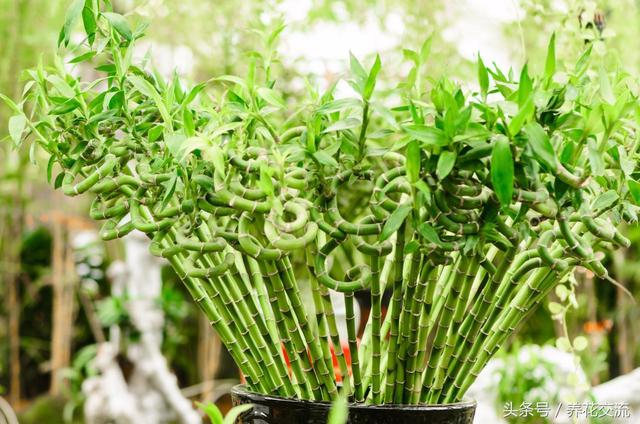
There are many reasons why lucky bamboo (Dracaena sanderiana) leaves turn yellow. Lucky bamboo loves a warm, slightly humid environment with good ventilation and bright light. If these requirements cannot be met, even putting an iron nail in the lucky bamboo will not prevent its leaves from turning yellow.
Lucky bamboo is a plant that greatly loves iron. The process of a rusty iron nail oxidizing in water or soil can produce iron that lucky bamboo can absorb. Only a trace amount is needed to improve plant growth.
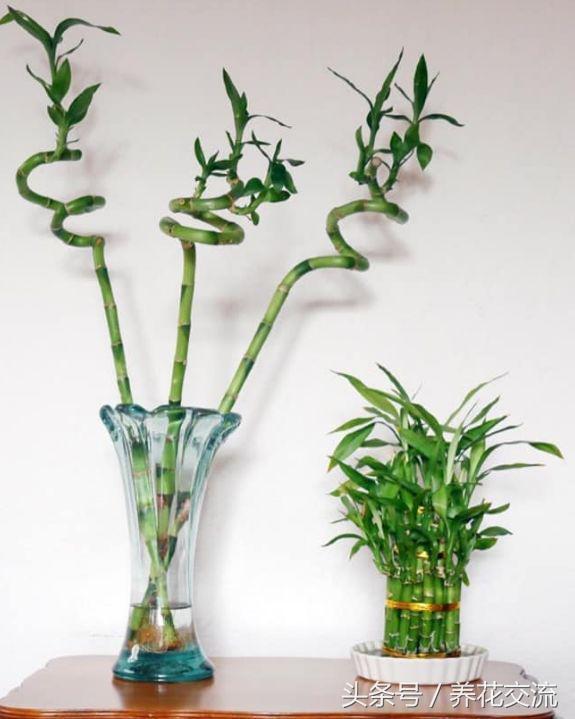
This is also why water that is poor in quality or has turned cloudy needs to be replaced, because that water has lost its vitality and lacks some of the trace elements essential for plant growth. Plants are repotted and their water changed for the same reason: the water or soil no longer contains the nutrients and trace elements that promote plant growth.
2. The Benefits of Compost Tea for Plants
Prepare a large bucket, fill it with clean water, and add some compost. Making compost tea takes 4-5 days. During the making process, it needs to be stirred appropriately every day, and it should be kept in a ventilated and warm place.
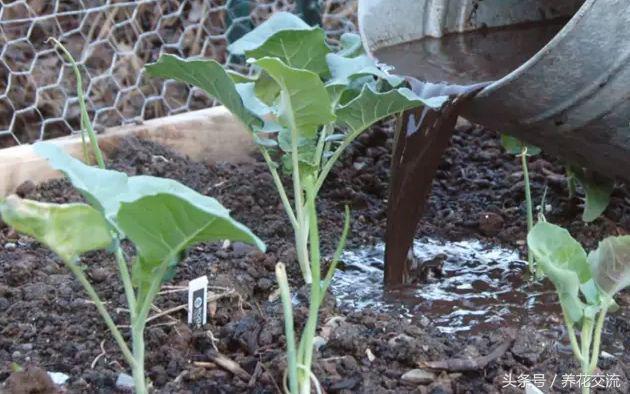
After 4-5 days, the residue inside can be filtered out. You can use cheesecloth to filter out the residue directly, and the liquid you obtain is organic liquid fertilizer.
This compost tea is an excellent organic liquid fertilizer. It is rich in various nutrients and also contains various beneficial microorganisms. It not only supplies plants with ample nutrients and is absorbed more quickly, but also has the effect of preventing pests and diseases.
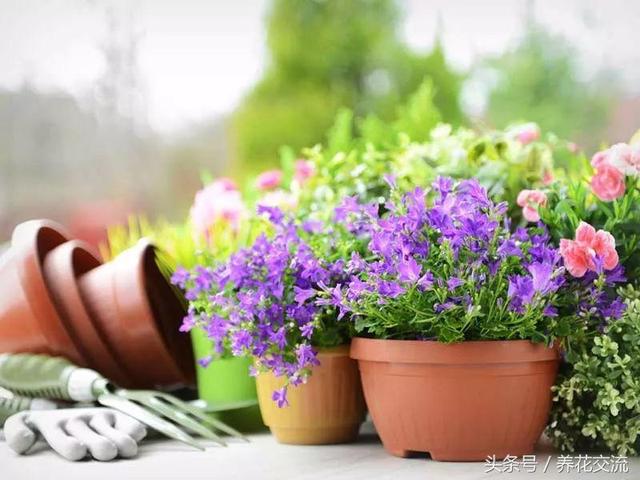
This compost tea can be sprayed directly onto the leaves, but not onto the flowers. It can also prevent fungal infections and resist pests and diseases. When spraying on leaves, it must be diluted with water to avoid burning the leaves if it is too concentrated. The concentration can be judged by its color; after diluting with water, a color like light tea is just right.
3. The Various Benefits of Watering Flowers with Beer
During the plant growing season, when flower buds are just about to form, you can dilute some leftover beer with water and use it together with some thin liquid fertilizer. This can make flowering plants grow better, indirectly promote flowering, and be absorbed better by the plants. It is especially effective for clivia (Clivia miniata).
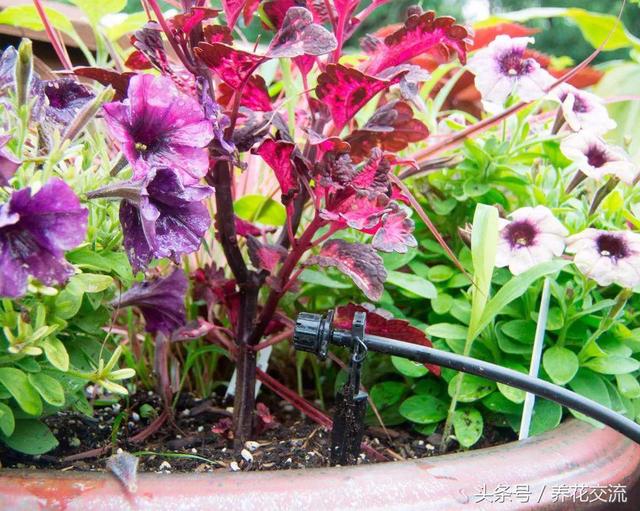
Watering flowers with beer also has its rules. Of course, you cannot spray beer directly; it must be diluted with water first. If it is used to water the potting soil, use a ratio of beer to water of 1:40. If it is used to spray directly on the plant, use a ratio of beer to water of 1:50. This can make the plant's leaves grow glossy and bright.
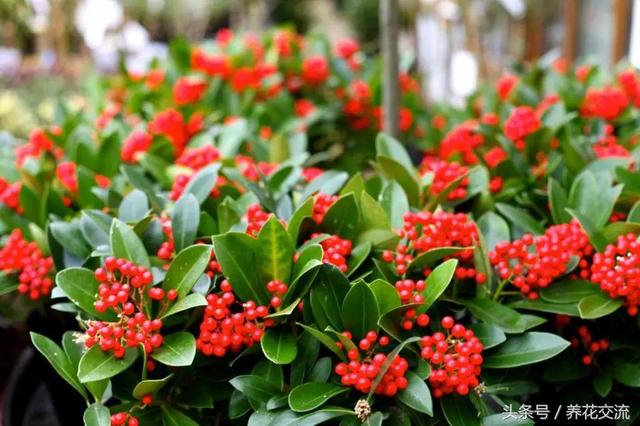
Some foliage plants can be wiped directly with beer without diluting it with water. Just prepare a moist paper towel or soft cloth, dip it in beer, and gently wipe the leaves. Both the upper and lower surfaces of the leaves can be wiped evenly. This is more suitable for some large-leaved foliage plants.
4. Watering Flowers with Vegetable Cooking Water
The nutrient-rich water produced when cooking vegetables can also be used directly to water flowers, but no seasonings such as oil or salt can be added. It should be the nutrient-rich water left after boiling vegetables in plain water. Once it has cooled to room temperature, it can be used to water flowers.
When various vegetables are blanched in hot water, do not pour away the water obtained. You can put it in a container, and once it has cooled to room temperature, it can be used to water flowers. This is a very practical trick that can make plants grow more vigorously.
5. Ways to Reuse Tea Residue and Coffee Grounds:
Coffee grounds contain 2% nitrogen, but plants cannot break them down. If they are thrown directly into the soil, natural decomposition is very slow, and the decomposition process generates heat that can burn the plant's roots. So they are generally sealed and fermented first, then mixed into the soil. Only then are they beneficial and harmless.
You can mix 20-25% coffee grounds into compost. It takes a period of time to accumulate this much. If you add too much, it will inhibit beneficial microorganisms, so do not add too much. Other compost materials can include grass clippings, dry grass, fallen leaves, fruit peels, and kitchen waste.
After fermentation, mix it with soil rather than pouring it directly into the flower pot, because only after fermentation can it become nutrients that flowers can absorb. The heat generated during fermentation will burn the flowers to death.
Tea bags or tea residue can both be used for composting. Of course, if they are tea bags made of some kind of plastic, it is best to tear the bag open before using the tea leaves for composting. They can increase the nitrogen element in the compost soil and better attract beneficial bacteria.
You can use tea bags to brew tea for watering flowers, but of course it still needs to be diluted with clean water. This is the same principle as watering flowers with rice-washing water. The diluted tea water is a very good liquid fertilizer. It contains relatively high levels of minerals, carbohydrates, and other nutrients, and can help plants grow well.