Little things you put in the pot when growing flowers make the plants grow like crazy, and veteran flower growers snap them up
There are many things in life that seem useless but are actually treasures for growing flowers, such as the coffee grounds left over from grinding coffee. After fermentation, they are a very good nitrogen fertilizer, very suitable for flowers that like acidic soil. They can make the soil loose and fertile, and can also control pests such as slugs and snails.
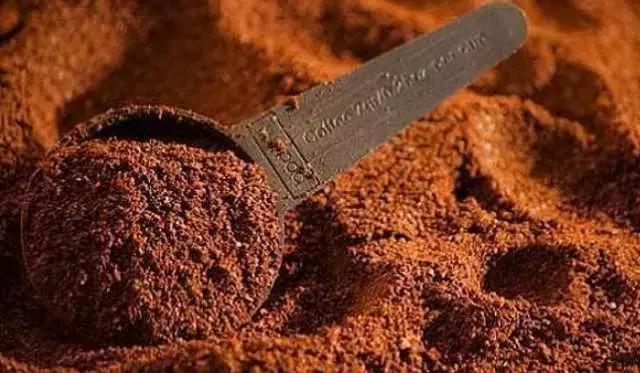
It is worth noting that coffee grounds cannot be used directly in potting soil. They need to be composted and fermented before use. This is because coffee grounds generate a large amount of heat during fermentation, which can easily burn plant roots.
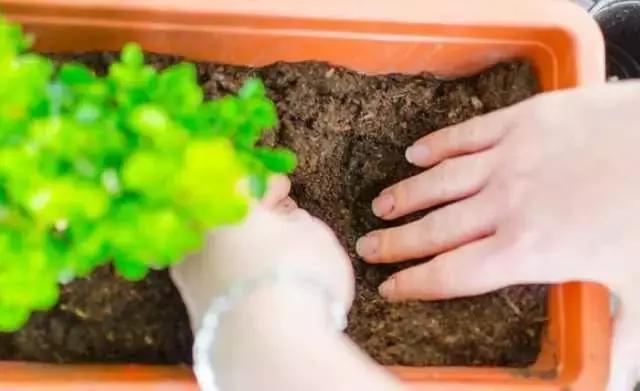
The method for making coffee ground fertilizer is as follows:
1. Dry composting method: Place the coffee grounds on a balcony, stir them every day, and after about ten days they can be put into pots.
2. Wet composting method: Place the coffee grounds on a balcony, do not stir them, and let them mold. After a few days, you will find they are covered with mold. Then mix them evenly with soil and put them into pots.
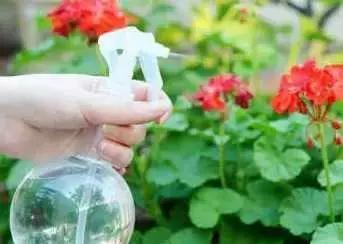
Coffee grounds can help plants produce large, brightly colored flowers, green leaves and abundant fruit. If you do not have the habit of drinking coffee, you can ask a coffee shop for some coffee grounds, and they will all be very willing to give you some. After all, it is of little use to them, while veteran flower growers snap it up.
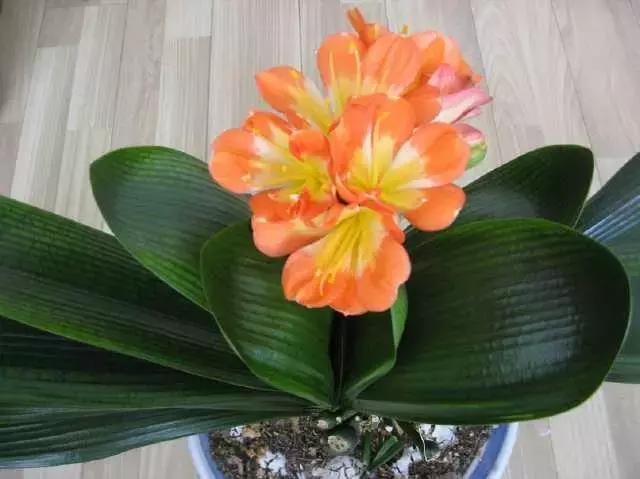
Sometimes we want to grow some plants or vegetables at home, but we cannot find soil, and buying it feels inconvenient and costs quite a bit. It is better to make nutrient soil yourself, and both flowers and vegetables will grow very well. First, prepare some large grains of sand. You can use a small sieve yourself to sift them, and keep the larger sand. It is clean and easy to use. If you do not have any, use coal cinders instead.
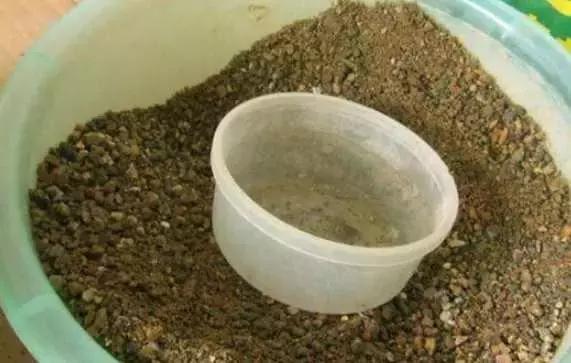
Find some sawdust, either from a sawmill or a place that makes furniture. Do not throw away the peanut and sunflower seed shells you normally eat; after crushing them, you can keep them. Do not throw away eggshells after eating eggs either. You can crush them a bit more, which is better. These alone are not enough; you need nutrient-rich fertilizer. Chicken manure and cow manure are both fine.
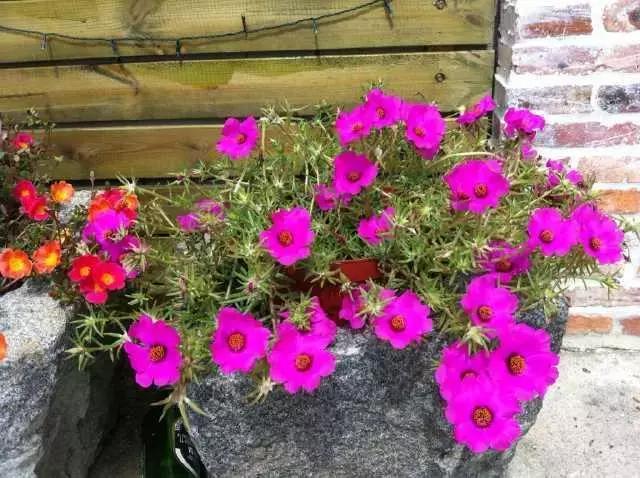
The last thing to go in is ordinary garden soil. When you are out in the countryside, you can bring some back from beside other people's fields or vegetable gardens, from places not polluted by trash. Mix these several materials together, and it makes very good nutrient soil.