What Plant Is Clematis? Detailed Guide to Cultivation Methods and Precautions
Clematis are spectacular flowering vines. They are the original front-yard vines, often planted at the base of a lamppost along the front walk to mark the home of a blooming dedicated gardener.
Since at least the 16th century, gardeners have admired and grown clematis, and more than 2500 hybrid varieties have been developed. They thrive in sunny gardens, although pale-flowered varieties, such as 'Will Goodwin', are often happiest in bright shade. Where summers are hot, morning sun or bright, indirect light is the best choice. Plant them in fertile, well-drained soil rich in compost. Some gardeners shade the plants' roots with broken terracotta pots; compost around the base accomplishes the same purpose: it helps prevent moisture loss from the soil and moderates soil temperature.
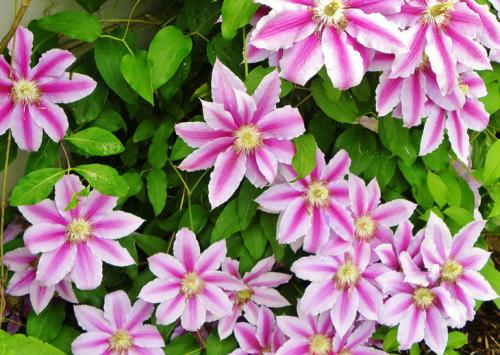
Clematis with large flowers, up to 9 inches across, are perhaps the most popular varieties. The striking 'Henryi' will draw plenty of attention with its huge snow-white blooms; the handsome 'Jackmani' is equally dramatic, with velvety purple flowers. “Pink Fantasy” and “Angela” are both known for their compact habit, only 6-7 feet tall; their charming flowers are four inches wide.
Although they are often trained along fences or on their own posts, clematis will grow gracefully through shrubs and roses. Some gardeners plant clematis every time they plant a rose - in the same hole. Around established roses, place clematis plants one or two feet from the crown, then train them onto the rose. Clematis will also climb through hydrangeas, abelia, weigela and other shrubs.
When you plant, dig a large hole, at least one foot wide and deep, to create the well-drained soil these flowers thrive in. Place the plant in the hole with its crown three to five inches below soil level, set a support stake close to the crown, then fill in and water well. Once the plant is established, you may need to water every other day. Keep the area around the roots mulched with 2 to 4 inches of mulch (compost or shredded leaves work fine).
Clematis vines flourish so abundantly that they can almost hide the plant's foliage. Blooming can last as long as four weeks. In a garden with a variety of clematis, the blooming season may be extended from spring to fall. It is a vivid show: enjoy the flowers in the garden, and cut some for the house as well. Cut the flowers when they are almost open, and you can watch them in a vase on the table.