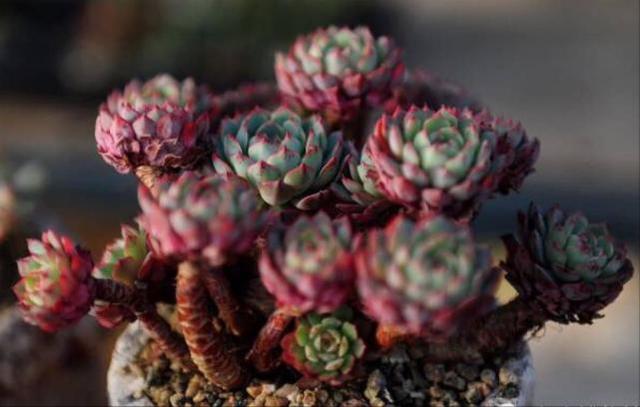
Succulent overwintering tips: with proper winter care, they will still grow well
What is the thing you fear most when caring for succulents? Right, winter, because almost all succulents come from tropical regions and are not afraid of heat but are very afraid of cold, so as soon as winter comes, succulents will develop all kinds of minor problems.
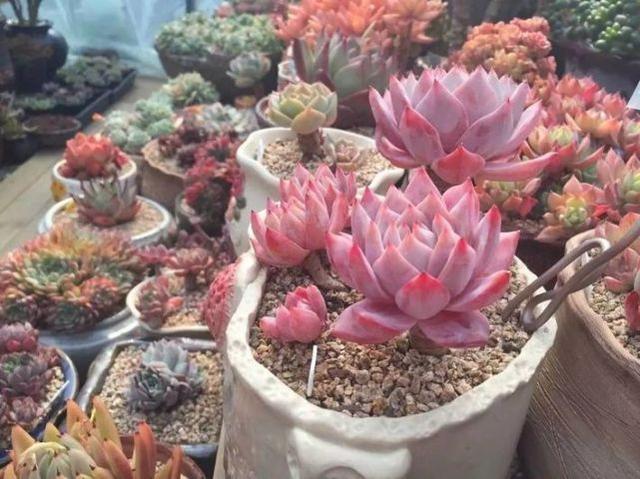
Gardeners in northern regions are still quite lucky in winter (having heating makes all the difference), while the homes of gardeners in the south are cold and damp, so there is a big difference in care. So after winter arrives, do not buy any more rootless succulents. Especially those bought online.
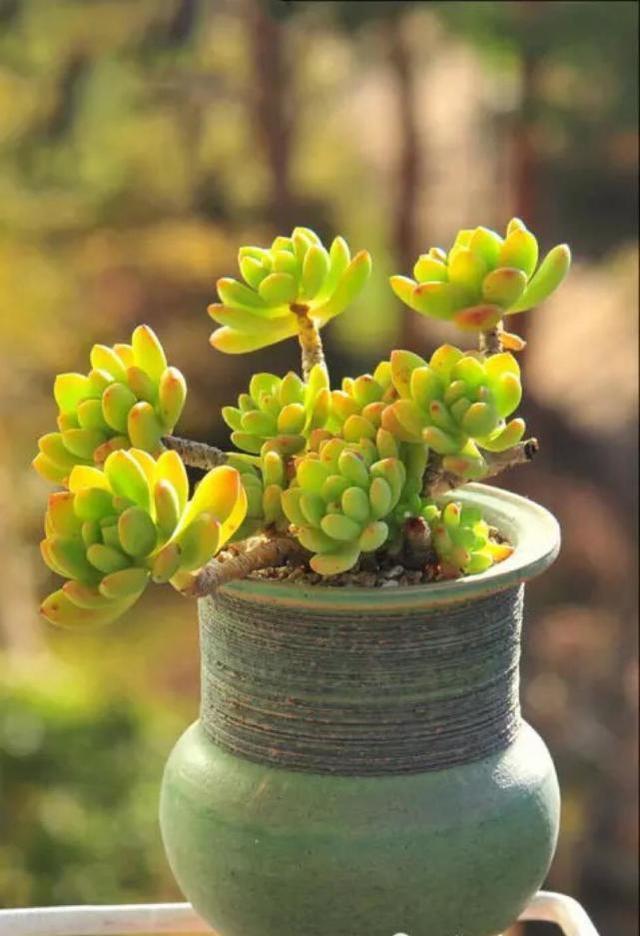
I. Safe overwintering temperatures for succulents
As long as the lowest indoor temperature stays above 0°C, they can overwinter safely. When the outdoor temperature is below 5°C, they need to be brought indoors or onto an enclosed balcony. In winter, if the lowest temperature is kept above 10°C, the succulents will grow normally. In windy areas, when the outdoor temperature is below 10°C, succulents such as Aeonium and silver wave plants should be brought indoors quickly. (Black rose, bear's paw, etc.)
II. Key points for watering succulents in winter
Here you need to pay attention to the size and condition of the plant. If they are relatively weak small seedlings, then they need a bit more water, keeping the soil slightly moist. And try to place them in a warmer place, growing in a relatively stable environment.
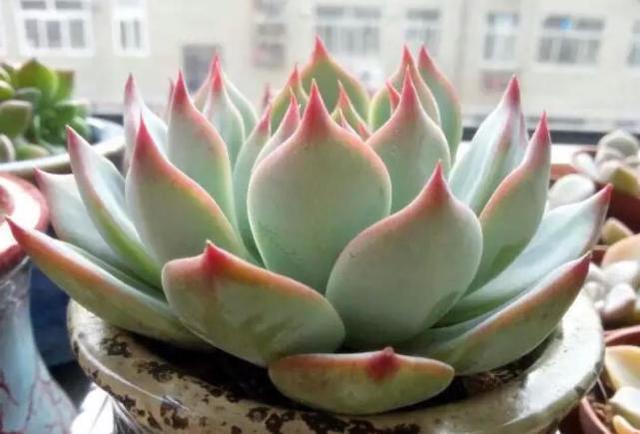
Mature, large succulents have much stronger resistance, so watering must be reduced; especially strong ones can even go a month without a single drop of water and still be fine. In northern regions, spraying is the most suitable watering method, for both seedlings and mature plants; at the same time, it can also wash dust off the leaf surfaces, which is more beneficial to plant growth. Moreover, the spraying method can make the succulents color up faster.
III. Winter care for succulents
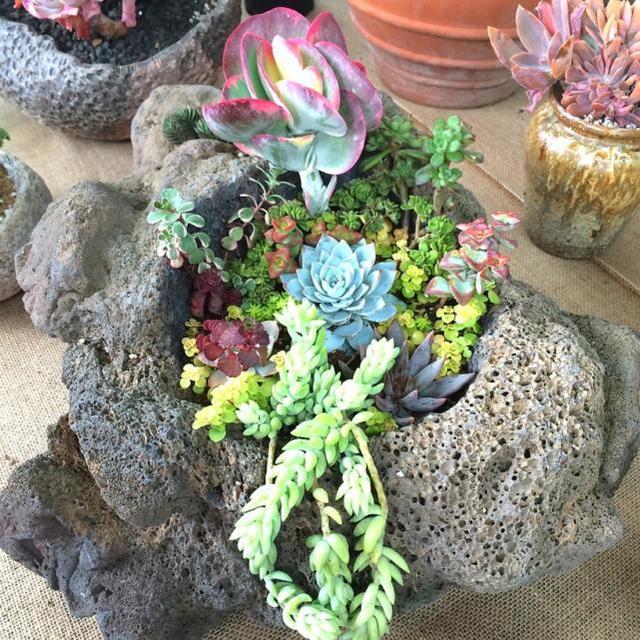
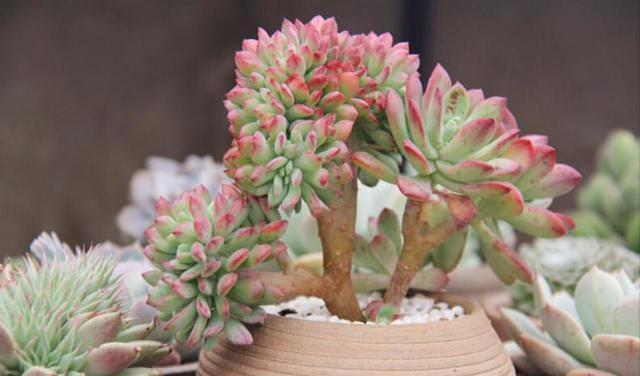
You must, must, must water less. There are too many plants in a group planter, especially if there are grasses among them. After too much watering, they easily rot and turn to mush, and then a chain reaction leads to collective suicide. You can water by observing the condition of the grasses, but be careful to use only a small amount~ Sunlight is still about baking them in full sun! Placing them on a windowsill is just fine!