Warm winter and drought damage crops! 70% of lychee flowering damaged, lychee stink bug damage intensifies, Council of Agriculture launches subsidies
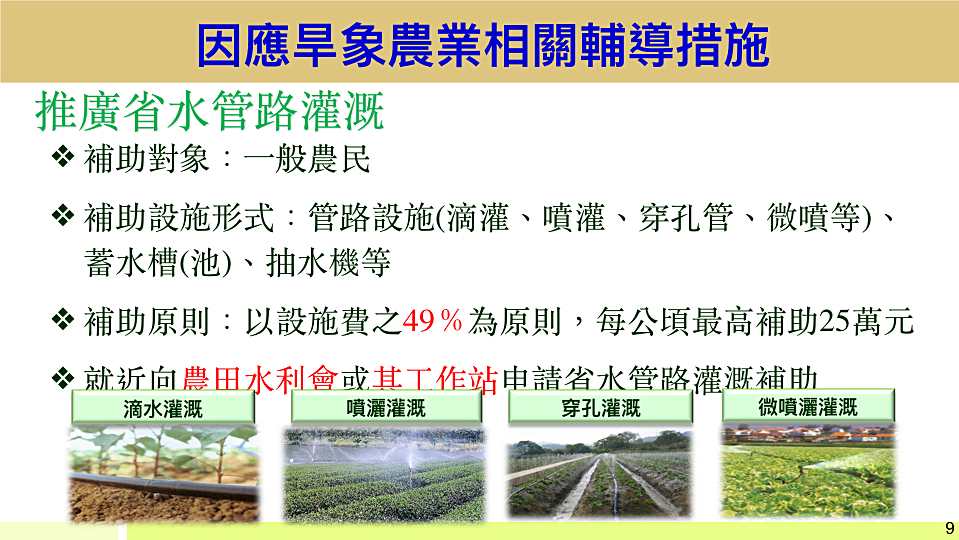
Drought affects hillside crops, affected fields can apply to agricultural authorities for subsidies! Rainfall has been insufficient since last November, and drought conditions have been reported frequently. Crops in central and southern Taiwan, including top-grafted pears, plums, peaches, Japanese apricots, loquats, lychees and tea trees, have been affected. The Council of Agriculture held a press conference today (the 26th) to explain the current situation of drought affecting crops and the corresponding measures, including three major measures: "natural disaster subsidies," "subsidies for water pipe irrigation facilities," and "field technical management guidance." Farmers can apply for cash subsidies or subsidies for equipment upgrades.
Loquat water shortage affects pollination, fruits become smaller
Top-grafted pears and loquats are currently confirmed crops affected by the drought. In this regard, Zhan Guirong, head of the Mountain Boar Loquat farm in Xinshe, Taichung, said that loquats have indeed been affected. She said that drought affects the humidity in the air, and the flower pistils must maintain a certain level of moisture to successfully allow pollen to pollinate on them. Poor pollination also means a decline in flowering and fruiting rates. "Or, fruits set, but the fruits become relatively smaller." She revealed that the recent water shortage and dry conditions have indeed greatly affected the growth of loquats.
She further explained that they usually rely on rainwater from the mountains and forests to maintain the water supply for the fruit trees. With recent low rainfall, they can only go to the Baileng Canal in Xinshe to fetch water back to irrigate the fruit trees. As for the Council of Agriculture's hope to expand domestic crop irrigation zones and bring many hillside crops into the water irrigation system, she said that although she has not yet received drought-related subsidy measures and guidance, if the government can truly take action and help farmers, she would certainly welcome it.
Top-grafted pear farmers suggest the government subsidize hillside irrigation equipment
A top-grafted pear farmer in Dongshi said that this year's warm winter climate is good for the grafting of top-grafted pears, but the drought has affected the subsequent growth of the top-grafted pears. He explained that from grafting to flowering, a period of nearly one month, a warm climate is needed to activate and grow the fruit trees. Although the temperature conditions are met, nutrient transport requires water, and the water shortage will affect the size of the pears. In the face of drought, he also suggested that government subsidies for irrigation-related equipment for hillside crops would be a more fundamental solution, such as setting up large water storage tanks in hillside orchards to make it easier for farmers to access water and also to regulate water use during water shortages.