Carnation Flower Language Meaning and Detailed Care and Management Methods
Without the delicate beauty of red roses or the noble air of red peonies, it produces bright and beautiful flowers on its slender, verdant stems. The petals are compact and not easy to fall off, and the leaves are elegant and long without curling easily. The flowers are opulent and magnificent, with elegant and distinctive posture and brilliant, gorgeous colors. Carnations of different colors carry different carnation flower languages. Let's take a look below at the flower language of pink carnations and other information.
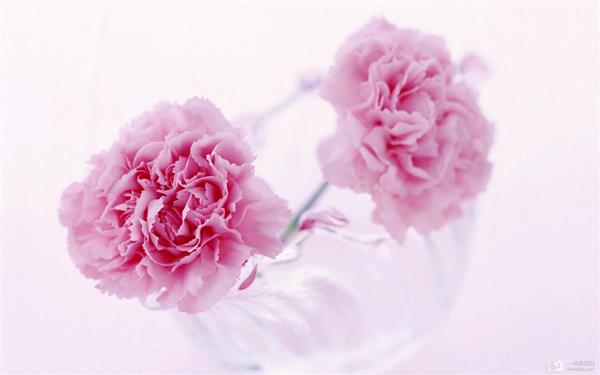
I. Introduction to Carnations
Carnations are an excellent cut flower variety, with gorgeous flower colors, fragrance, and a long flowering period. They are suitable for various flower arrangement needs and are often combined with gladiolus, asparagus fern, asparagus cochinchinensis, and ferns to form beautiful bouquets. Dwarf varieties can also be used for potted ornamental display. The flowers can also be used to extract essence. This kind of fresh flower, with its exquisite form, colorful yet elegant purity, dignified grace, and delicate fragrance, is becoming increasingly popular around the world with the rise of Mother's Day and has become the flower with the largest sales volume globally.
II. What Is the Carnation Flower Language
Carnations are an excellent cut flower variety, with gorgeous flower colors, fragrance, and a long flowering period. They are suitable for various flower arrangement needs and are often combined with gladiolus, asparagus fern, asparagus cochinchinensis, and ferns to form beautiful bouquets. Dwarf varieties can also be used for potted ornamental display, and the flowers can also be used to extract essence. This kind of fresh flower, with its exquisite form, colorful yet elegant purity, dignified grace, and delicate fragrance, has high ornamental value and also very good symbolic meaning. It is called the "flower of mothers" and represents maternal love.
Carnation flower language: passion, charm, love that makes one tender and weak, true affection, mother I love you, warm blessings, loving you, kindness, selfless maternal love, tolerance, flower of mothers, deep family affection, longing for family, pure admiration, passionate love, warmth, heartache and regret, greatness, sacredness, consolation, spiritual connection, sincerity, good luck, longing.
III. Carnation Care and Management
1. Soil: Requires clayey soil with good drainage, rich humus, good fertilizer retention, and slightly alkaline.
2. Watering: Carnations grow vigorously and are relatively drought-tolerant. In rainy and overly wet areas, the soil tends to harden, and the root system develops abnormally due to poor ventilation, so attention should be paid to loosening the soil and draining water during the rainy season. Apart from timely watering during the peak growth and flowering seasons, less watering can be done at ordinary times, and it is best to keep the soil moist. The air humidity is best maintained at around 75%. Proper misting before flowering to adjust humidity can prevent flower buds from splitting early.
3. Fertilizing: Carnations like fertilizer. Before planting, apply a sufficient amount of baked fertilizer and bone meal. During the growing period, liquid fertilizer should also be applied continuously. Generally, apply once every 10 days or so with fully decomposed, thin fertilizer water, and apply one topdressing after flower harvesting.
4. Other: To encourage carnations to branch more and bloom more, multiple pinching should be carried out starting from the seedling stage: when the seedlings grow 8 to 9 pairs of leaves, carry out the first pinching, keeping 4-6 pairs of leaves; when the side branches grow more than 4 pairs of leaves, carry out the second pinching, keeping 3-4 pairs of leaves per side branch, and finally it is best for the whole plant to have 12-15 side branches. During bud formation, keep only one flower bud at the top of each side branch, and promptly remove all small flower buds and side branches sprouting from the leaf axils below the top. After the first flowering, promptly cut off the flower stems, keeping only two buds at the base of each branch.
Every holiday is the best opportunity for carnations to shine, but do not mistake the carnation flower language! The content related to the carnation flower language is introduced here. If you want to learn more about flower language information, please stay tuned for other exciting content.