Peperomia obtusifolia (Baby Rubber Plant) Cutting Propagation Methods and Home Style Pairing Tips
Peperomia obtusifolia is a highly ornamental flower variety that has long received widespread attention. So what are the cultivation methods for Peperomia obtusifolia? I believe everyone is eager to know the answer to this question. So next, let us take a look at what cultivation methods exist for Peperomia obtusifolia. Through learning about Peperomia obtusifolia knowledge, we can better apply it to daily life. So next, let us take a look at what cultivation methods exist for Peperomia obtusifolia.
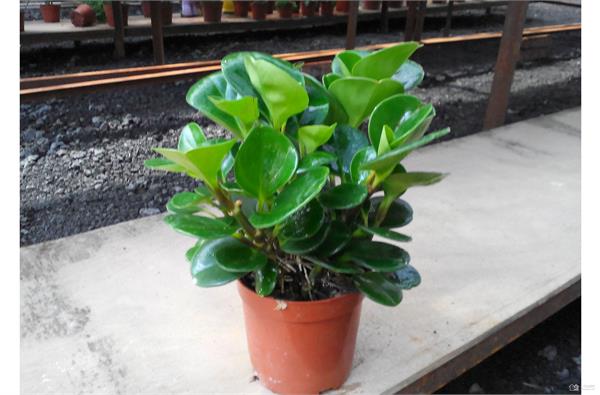
Propagation of Peperomia obtusifolia
Cutting method: During April-May, select healthy top branches of Peperomia, keep 1-2 leaves on the upper part, with a length of about 5cm as the cutting slip. After the cut surface dries, insert it into a moist sand bed. Peperomia can also be propagated by leaf cuttings. Use a knife to cut off a leaf with its petiole, let it dry slightly, then insert it diagonally into the sand bed. Roots will form within 10-15 days.
Division method: Mainly used for propagating variegated Peperomia varieties. The potting soil can be made from leaf mold with base fertilizer added, peat soil plus some perlite or sand.
Cutting Propagation Methods for Peperomia obtusifolia
I. Soil Mixing
For cutting propagation of Peperomia, choosing a suitable soil mix is very important. However, for home cutting propagation, it is difficult to obtain an ideal cutting mix due to limited conditions. It is recommended that beginners choose a pre-mixed and sterilized cutting substrate. Medium-coarse river sand can also be used, but be sure to rinse it several times with clean water before use. Here is a reminder for all flower enthusiasts: do not use sea sand or river sand from saline-alkali areas, as they are not suitable for the growth of flowers and plants.
II. Cutting Method
Try to choose the peak growing seasons of early spring or late autumn. It is recommended to maintain an environment where the midday temperature does not exceed 28°C and the nighttime temperature does not fall below 15°C. Cut off leaves or stems; stems need to have 3-4 leaf nodes. Wait until the wounds dry, then insert them into the substrate. Then spray both the substrate and the cuttings until moist. Just be careful not to let them become overly dry or too wet. Next, you can wait for new buds and roots to grow out. In late spring and early autumn, because temperatures are higher, the cuttings will rot very easily, so cutting propagation is not recommended during these times.
III. Potting
When potting the young plants, first place a 2cm thick layer of coarse-grained substrate or ceramsite at the bottom of the pot as a drainage layer. Then sprinkle a layer of fully decomposed organic fertilizer as base fertilizer, with a recommended thickness of 1-2cm. Cover with another 1-2cm thick layer of substrate. Finally, place the plant in. This can separate the fertilizer from the roots and avoid root burn. After potting, water thoroughly once and keep it in a shaded environment for care.
IV. Humidity
Since Peperomia likes a moist climate environment, it is recommended that the relative humidity of the growing environment be 60-75%.
V. Temperature
The most suitable growing temperature for Peperomia is 18-30°C. In winter, be careful to avoid severe cold. During overwintering, the temperature needs to be kept above 10°C. If the ambient temperature drops below 4°C, Peperomia will enter a dormant state. When the ambient temperature is 0°C or even lower, Peperomia will suffer frost damage or even death.
Pairing Peperomia with Home Styles
Peperomia is actually a plant native to the West Indies, Panama, and northern South America. Peperomia generally prefers a warm, humid, semi-shaded environment. It is a perennial evergreen herbaceous plant of the genus Peperomia in the Piperaceae family.
Cultivating Peperomia brings spring vitality. A touch of vivid color in a space can change the entire atmosphere. Lush flowers, tender branches, and green leaves bring the vitality of nature.
Placing several potted Peperomia plants on the balcony can not only beautify your home environment, but also have good applications in feng shui. Since the balcony is relatively open and receives ample sunlight, it is inherently very suitable for growing Peperomia and very suitable for its growth. Moreover, cultivating Peperomia on the balcony also has the effect of promoting vitality and wealth.
Peperomia's leaves are emerald green and glossy, with a beautiful plant shape. It is also relatively shade-tolerant, small and cute. It is commonly grown in white plastic pots or white porcelain pots. Placed on coffee tables, decorative cabinets, curio shelves, or office desks, it is very beautiful, fresh and pleasing to the eye, with a unique elegance.
Peperomia likes semi-shade or scattered light. Except in winter when sufficient light is needed, in other seasons it needs a little shading. Especially in summer, more shading is needed. If placed in a shaded environment, it tends to grow leggy, the internodes increase, and its ornamental value decreases, so this is not advisable. Under semi-shaded conditions, the leaf color is brighter and the gloss is better. Especially for variegated varieties, the demand for sunlight is slightly higher.
If you want to learn more related information, you can continue to follow Yihao Home Network.