What to Do About Root Rot in Hydroponic Alocasia macrorrhizos? A Detailed Guide to Care
Many plant lovers run into root rot when growing Alocasia macrorrhizos in water. In fact, this mostly happens because they do not know enough about water-grown plants. Many people think you just put the plant's roots in water and that is it, but that is wrong. Water-grown plants need to go through a whole process of root washing, disinfection and acclimation before they can truly be called hydroponic plants. In practice, many plant lovers just wash the roots clean and put the plant into a hydroponic container. This may show a water-grown effect for a short time, but root rot can appear later on.
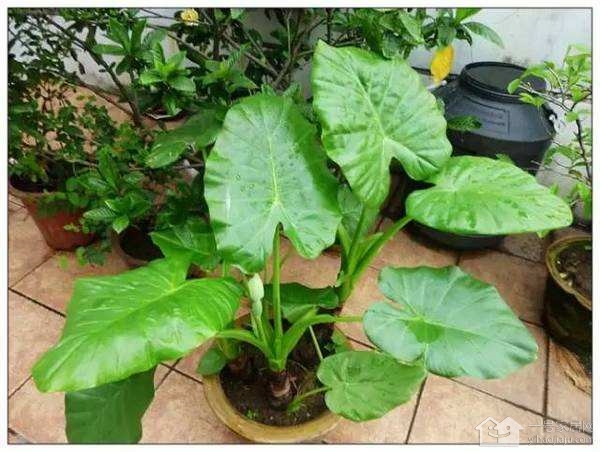
How to Grow Alocasia macrorrhizos in Water
1. Choose a well-grown Alocasia macrorrhizos free of pests and diseases as the mother plant material for hydroponics. Clear away old and dead leaves on the stem, keeping just two or three new leaves; if none of the leaves look good, you can also keep only the topmost leaf stalk. Loosen the pot soil, take the plant out of the pot, then rinse the whole plant clean. It must not carry any soil: first, it easily pollutes the water, and second, it carries pathogens that easily cause root rot.
2. After rinsing the mother plant clean, cut off all the soil-grown root system from the base, then carefully check the stem for rot and pest damage; you can use a small knife to dig out the softened or rotted parts of the stem until you reach the woody part, and remove the rotten matter or pests. After pruning, secure the plant according to its size and shape with a planting basket of the appropriate size. Soak the whole planting basket in a 3%-5% thiophanate-methyl solution or carbendazim solution for 5-10 minutes for disinfection; then put it in a cool place to dry.
3. Plant the dried mother plant together with the planting basket in a perlite rooting bed. By controlling the moisture, nutrients, temperature and light of the bed, initial roots (the original water roots) can grow in about 10-15 days.
4. When the initial roots reach 2-3 cm long, they can be moved to an induction pond to induce water roots. At this stage, adjusting the dissolved oxygen content and EC value in the water is very important and determines the success of the induction, and the nutrient solution ratio also needs appropriate adjustment. Once the water roots have grown to a certain number and length, it means the plant has adapted to growing in water, and it can be put into a bottle for static hydroponics.
Care Methods for Hydroponic Alocasia macrorrhizos
The suitable growing temperature for Alocasia macrorrhizos is 20-25°C. It likes a warm, humid and semi-shady environment, so during the growing season place it in a shaded spot on a balcony or in a courtyard (avoid direct sunlight in summer), keep the pot soil moist at all times, and apply a dilute liquid fertilizer based mainly on nitrogen fertilizer mixed with phosphorus and potassium fertilizer 1-2 times a month (stop fertilizing in winter and control watering).
Alocasia macrorrhizos is a flowering plant that loves plenty of water and fertilizer, likes loose leaf mold or sandy loam, and likes ample light. Apart from appropriate shading in the hot midsummer, it is best to give it all-day light in the other seasons. In addition, Alocasia macrorrhizos especially loves a high-temperature, high-humidity climate, so in midsummer spray water on the leaves every noon to increase air humidity; only then will its leaves be large and thick. If it is too shady, the leaves will grow larger but thinner, and the leaf stalks will also be brittle; leaf stalks that are too long and break are due to a lack of light. Alocasia macrorrhizos should be placed in a bright indoor spot, such as beside a window, and needs at least 3 to 5 hours of light every day. Bright light is fine, but it cannot be exposed to strong sun. Alocasia macrorrhizos likes water, so if the leaves become soft, it should be watered. Watering it regularly with a little ferrous sulfate can make the leaves greener, larger and thicker.
Growing Alocasia macrorrhizos in Water
Alocasia macrorrhizos is an indoor foliage plant. Foliage plants have relatively large leaves, so their transpiration is relatively strong; with a large transpiration rate, more water is released into the air. Dry weather leaves everything in a state of water shortage, so keeping a pot of Alocasia macrorrhizos at home in this season means you can breathe moist air when you get home. However, its sap is toxic, so prevent it from dripping into the eyes or being swallowed by mistake, which can cause throat swelling or eye inflammation.
What to Do About Root Rot in Alocasia macrorrhizos
For a water-grown Alocasia macrorrhizos that already has root rot, plant lovers should cut off the rotted parts, then disinfect if conditions allow, with something like potassium permanganate; plant ash also works. After disinfection, let the wound dry in a cool place, then plant it in soil. Once the plant returns to normal (has grown roots), grow it in water again. If it is put straight back into water after cutting the roots, root rot is still likely, so plant lovers can weigh whether to grow it in soil first and then in water, or to continue growing it in water.
If you want to learn more related information, you can continue to follow No.1 Home Network.