How to Grow Serissa and Bonsai Care and Management Tips
Serissa is a very beautiful flowering plant variety that has long received widespread attention from people, so what are the methods for growing Serissa? I believe everyone would also like to know the answer to this question, so next let us take a look at what methods there are for growing Serissa. Through learning about Serissa, we can better apply it to daily life, so next let us take a look at what methods there are for growing Serissa.
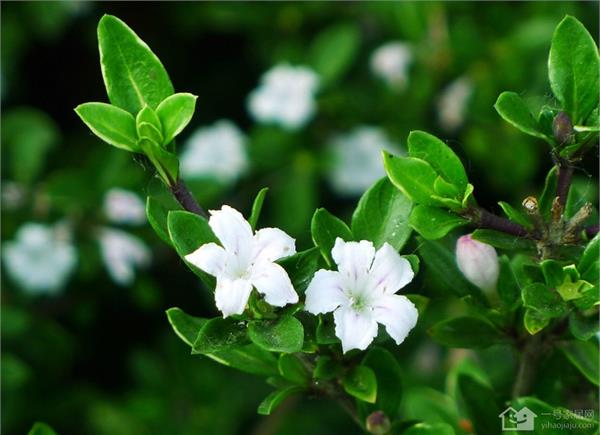
Serissa Bonsai Care and Management
1. Care and Management
Placement location: Serissa is best placed in a spot with half shade and half sun, warm and humid. It must not be exposed to the scorching sun in summer, and in winter it must be moved indoors; a temperature not lower than 2°C is sufficient. A Serissa bonsai beautifies the home and can give people a fresh and comfortable feeling.
Watering: During the spring and summer growing season, the potting soil must be kept with sufficient moisture. During high summer temperatures, spray water on the leaf surface in the morning and evening, which is beneficial for flowering. After autumn, during the dormant period, pay attention to preventing water accumulation in the potting soil, so as to avoid root rot.
Fertilizing: Serissa is relatively tolerant of poor, thin soil, and fertilizer should not be applied too frequently, otherwise it easily causes excessive growth and affects the tree shape. Generally, applying a thin fertilizer once each in spring and autumn is sufficient.
Pruning: Shaping and pruning can be carried out once each year in April and October. Branches with overly strong growth and tiller branches sprouting from the roots can be pruned, so as to achieve balanced growth strength among the branches and maintain the beauty of the tree shape. At the same time, overly dense branches must be thinned out. Pruning in October should not be too heavy, to prevent renewed sprouting in autumn. In addition, frequent pinching in summer can make the branches and leaves lush.
Repotting: Serissa bonsai should be repotted once every 2-3 years, mostly in March of spring. When repotting, pay attention to cutting off dead roots, and appropriately remove some old roots and old soil, replacing them with loose leaf mold soil, which is beneficial for root development. In addition, combined with repotting, the process of raising and exposing roots can be gradually carried out. After repotting, it is best to place it temporarily in a cool, ventilated place, and resume normal care after one week.
Pest and disease control: Serissa occasionally suffers from aphid damage, which can be controlled by spraying with 80% dichlorvos at 1200 times dilution.
2. Ornamental Value
Serissa has a delicate tree shape, with sparse and graceful branches and leaves. It blooms in midsummer, with abundant flowers as white as snow, making it most suitable for viewing. Serissa can also be made into miniature bonsai and water-and-land bonsai. It is an excellent choice for indoor greenery decoration, and when placed on a windowsill or table, it appears very elegant.
How to Grow Serissa
Introduction
Serissa is by far the most popular bonsai tree sold in Europe and America. It makes a beautiful bonsai, with very small dark green leaves, beautiful textured bark, and a trunk even on young trees. It can grow in woodlands and wet areas. Serissa worm is slightly larger than Serissa japonica, with small oval leaves. It may burst out with small white flowers several times a year, giving it the nickname "Tree of a Thousand Stars," Serissa. In addition, it naturally grows on the trunk, giving them the ideal appearance of aged surface roots, an interesting bark pattern.
Bonsai styles:
Informal upright, slanting, semi-cascade, cascade, broom
Location:
Indoor
Position:
A bright but not brilliantly sunny permanent position away from cold drafts, such as an east- or west-facing windowsill. A good humidity level must be maintained, and daily misting and the use of a humidity tray can be provided. Do not place the tree on a windowsill above a radiator, as the dry air from these greatly reduces the humidity around the plant. In summer, when nighttime temperatures are above 7°C, Serissa will benefit from being outdoors for several weeks.
Light:
Serissa can be grown indoors or outdoors. If kept outdoors, it must receive sufficient sunlight. If grown indoors, make sure it can do well under fluorescent lighting, but keeping it in a room where it can receive indirect light from an open window and supplemental fluorescent lighting is often best. If Serissa does not receive enough light, its growth may not be compact, so give it enough for a good bonsai appearance if it has been grown indoors, making it an indoor plant. As mentioned earlier, Serissa does not like change. If it has been growing in a sunny area, first make appropriate stages, such as slowly changing the environment, and then move it indoors. In addition, make sure the indoor position receives the amount of light. If you are using a grow light, it may need to stay on for 12 hours a day. If the tree is moved from indoors to an outdoor area, likewise first slowly change the environment, and then move it to a very sunny place.
Watering:
Serissa dislikes waterlogged roots just because they do not like dry soil. Water thoroughly, making sure the compost medium is well-drained before watering again. Daily watering should not be done as a routine unless necessary, although daily misting is needed, and misting is not needed when blooming, because this will cause the flowers to rot. Make sure to keep a consistently moist gravel tray, but never allow it to soak in water.
How to grow and fertilize Serissa:
In winter, fertilize once every two weeks of growth; from early summer, fertilize once a month. Use liquid bonsai food or half-strength plant food. When fertilizing, the compost should be moist to avoid root tip burn. Fertilizing prefers slightly acidic soil conditions. Stop fertilizing when Serissa has lost its leaves, or if it does not show new growth.
Leaf and branch pruning:
Serissa needs it. Serissa is a fast grower and often requires aggressive or repeated pruning to maintain its shape. Since Serissa old wood will grow so heavily, pruning can be done during the growing season if needed.
Potting and growing on:
Serissa does not like root disturbance, and can be left for 2-3 years. Repot when spring growth begins, which helps the root system recover quickly.
Serissa is a tough plant and needs protection from temperatures below 7°C; it must be grown indoors. However, there is a problem: it is difficult to maintain the required humidity level, causing the plant to suffer with leaves that may turn yellow and then fall off. Serissa suffers from too much or too little water, or when it is hot and dry it tends to lose its leaves. Despite all this, the plant is not easily killed.
Precautions for Growing Serissa
1. Water and fertilizer management: During the growing season, Serissa should be watered frequently to keep the potting soil moist. It should not be too dry or too wet for a long time. Never allow water accumulation in the pot or loss of water from the potting soil. In summer, spray water on the leaf surface 1-2 times a day; in winter, the frequency of watering should be appropriately reduced, and keeping the potting soil moist and slightly dry is sufficient. From April to May each year, apply 2-3 times a 0.5% concentration phosphorus-potassium fertilizer solution; in the depths of winter, apply 1-2 times a thin organic fertilizer solution as a top dressing; do not fertilize in other seasons. Avoid applying concentrated fertilizer.
2. Light and temperature requirements: During the growing period, Serissa is best kept in a place with sufficient sunlight, warm and humid, and good ventilation. In summer and early autumn, 50%-70% shade should be provided, and scorching sun exposure should be avoided. In winter, it can overwinter outdoors in the south, while in the north it should be moved indoors, and the room temperature should be kept at 5-12°C.
3. Pest and disease control: Serissa pests and diseases include aphids and snails. Aphids can be killed by spraying with wind oil essence diluted 500-600 times; snails can be killed by spraying with 58% Fengleiji emulsifiable concentrate at 1500 times dilution. Root rot sometimes occurs. At the initial stage of the disease, 12% copper abietate emulsifiable concentrate at 600-1000 times dilution, or 50% Genfuling at 800 times dilution can be used to drench the roots and spray the leaves for control, spraying (drenching) once every 3-5 days, for 3-4 consecutive times.
If you want to learn more related information, you can continue to follow No. 1 Home Network.
to maintain the required humidity level, causing the plant to suffer with leaves that may turn yellow and then fall off. Serissa suffers from too much or too little water, or when it is hot and dry it tends to lose its leaves. Despite all this, the plant is not easily killed.Precautions for Growing Serissa
1. Water and fertilizer management: During the growing season, Serissa should be watered frequently to keep the potting soil moist. It should not be too dry or too wet for a long time. Never allow water accumulation in the pot or loss of water from the potting soil. In summer, spray water on the leaf surface 1-2 times a day; in winter, the frequency of watering should be appropriately reduced, and keeping the potting soil moist and slightly dry is sufficient. From April to May each year, apply 2-3 times a 0.5% concentration phosphorus-potassium fertilizer solution; in the depths of winter, apply 1-2 times a thin organic fertilizer solution as a top dressing; do not fertilize in other seasons. Avoid applying concentrated fertilizer.
2. Light and temperature requirements: During the growing period, Serissa is best kept in a place with sufficient sunlight, warm and humid, and good ventilation. In summer and early autumn, 50%-70% shade should be provided, and scorching sun exposure should be avoided. In winter, it can overwinter outdoors in the south, while in the north it should be moved indoors, and the room temperature should be kept at 5-12°C.
3. Pest and disease control: Serissa pests and diseases include aphids and snails. Aphids can be killed by spraying with wind oil essence diluted 500-600 times; snails can be killed by spraying with 58% Fengleiji emulsifiable concentrate at 1500 times dilution. Root rot sometimes occurs. At the initial stage of the disease, 12% copper abietate emulsifiable concentrate at 600-1000 times dilution, or 50% Genfuling at 800 times dilution can be used to drench the roots and spray the leaves for control, spraying (drenching) once every 3-5 days, for 3-4 consecutive times.
If you want to learn more related information, you can continue to follow No. 1 Home Network.