Houseplants: Which Indoor Plants Purify the Air
Which indoor plants purify the air? Below, we have listed several plants that can purify the air. Each plant has its own best effect. Let's learn about this plant-related topic together!
Ranking of Indoor Plants That Purify the Air
Snake Plant:
A natural scavenger that can remove harmful substances from the air. One pot of snake plant can absorb more than 80% of various harmful gases in a room of about 10 sq m.
Snake plant is a perennial herbaceous plant, with varieties including the golden-edged snake plant and the silver-striped snake plant. Flowers are borne singly from the rhizome, in racemes, pale white to light green, in clusters of 3 to 5, attached to the flower stalk. The fragrance is quite strong; if you are not used to it, you can move it farther away.
Native to western and southern Africa. It likes warm, sunny environments. Tolerates partial shade, but fears exposure to blazing sun. Drought-tolerant, dislikes waterlogging. Not particular about soil; it can even grow in heavy clay soil, but well-drained sandy soil is preferable.
Aloe:
It can be used for beauty care and purifies the air. The evergreen aloe has a certain ability to absorb odors, and its effect lasts a long time.
Native to the Mediterranean and Africa, it is a perennial herbaceous plant of the family Asphodelaceae. The leaves are clustered, growing in a rosette or at the top of the stem; leaves are often lance-shaped or short and broad, with sharp tooth-like spines along the edges. The inflorescence is umbel-like, racemose, spicate, or paniculate, colored red, yellow, or with reddish spots, with six petals and six pistils.
Aloe likes to grow in loose soil that drains well and does not easily compact. Ordinary soil can be mixed with some gravel and ash; adding leaf mold or plant ash is even better.
Placing some pollution-resistant flowers and plants indoors can help purify the air. For example, English ivy can "eat" benzene, spider plant can "swallow" indoor carbon monoxide and formaldehyde, and the spathe of Arum can absorb benzene and trichloroethylene. If a room of about 10 sq m contains one pollution-resistant plant, it will greatly help air purification.
In modern housing built with reinforced concrete precast panels, indoor air humidity is far below normal standards, and a plant called cyperus likes water, so potted cyperus should be placed in a deep water trough, which can turn a "desert" into an "oasis." The feeling of stuffiness is not caused by insufficient indoor oxygen, but by a severe shortage of negative oxygen ions. When a TV or computer is turned on indoors, negative oxygen ions decrease rapidly. Many flowers and plants that can be grown indoors can produce negative oxygen ions - these plants are cypress, Oriental arborvitae, and Japanese cedar.
If the room is small, you might as well grow some shorter plants, such as cacti. At present, it is popular in the West to grow spruce and other low conifers on balconies; they can fill the room with a refreshing tree fragrance. Many flowers and plants suitable for indoor growing have bactericidal functions. If you place some potted citrus, rosemary, myrtle, spider plant, etc. in a room, the bacteria and microorganisms in the air will be greatly reduced.
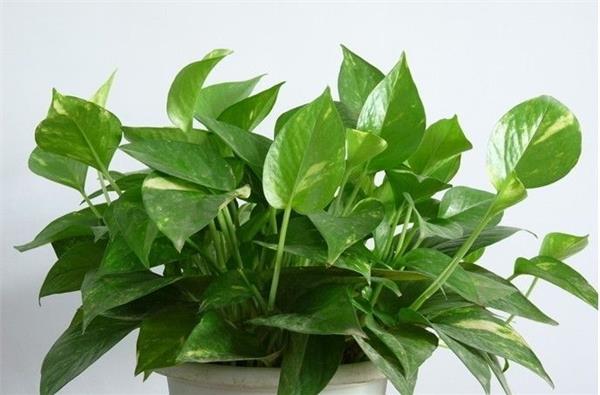
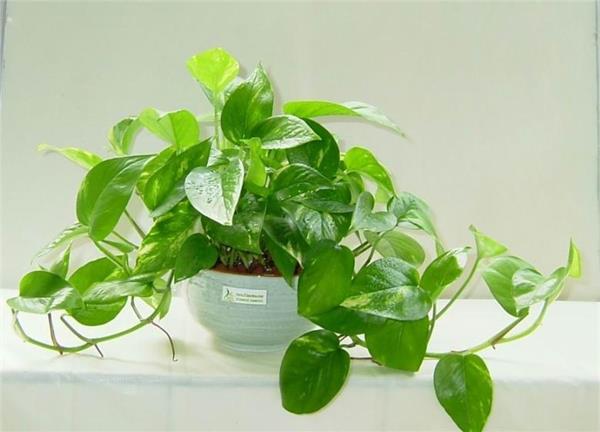
Pothos: This highly efficient air purifier among living things originated from the Mexican plateau. Because it can simultaneously purify benzene, trichloroethylene, and formaldehyde in the air, it is very suitable for placement in newly renovated rooms. Newly laid flooring is only one of the sources that breed harmful substances.
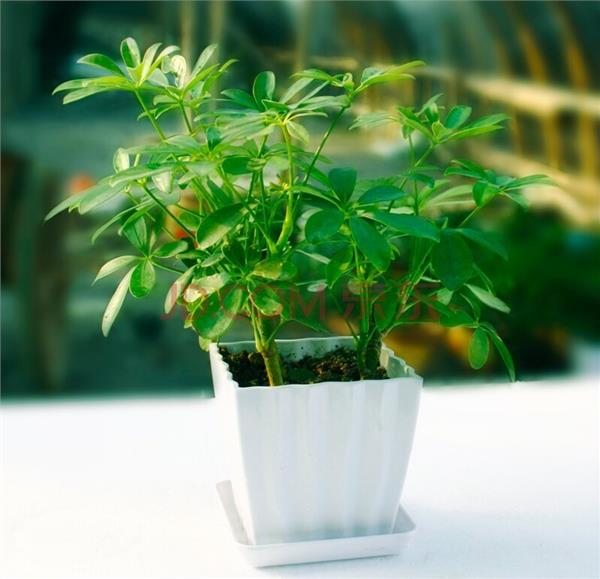
Golden-centered spider plant: It can remove harmful substances from the air and purify the air.
Golden barrel cactus: It absorbs carbon dioxide and releases oxygen day and night. It is also easy to keep alive.
Green-leaf spider plant: Not particular about soil and not strict about light requirements. It has an extremely strong ability to absorb toxic gases and is known as a green purifier.
Brazilian iron plant: Brazilian iron plant, also known as fragrant dracaena, can remove harmful substances from the air.
Areca palm: Its green palm leaves have a very effective purifying effect on xylene and formaldehyde.
Osmanthus: It can remove harmful substances from the air. The volatile oils it produces have a significant bactericidal effect.
Money tree: It releases oxygen and absorbs carbon dioxide; it is suitable for warm, humid, and well-ventilated environments, likes sun but also tolerates shade, and is easy to manage and care for.
Plant experts also remind the general public that because plants respire at night and release carbon dioxide, it is not advisable to place too many plants in the bedroom, otherwise sleep quality may be affected. For different rooms, such as the study, living room, and bedroom, the pollution produced differs because of different decoration materials used, so plants with different functions can be chosen. In addition, plants should be selected and placed according to the size of the room. Generally, for a room of about 10 sq m, placing two plants 1.5 m tall is relatively suitable.
the pollution produced also differs, so plants with different functions can be chosen. In addition, plants should be selected and placed according to the size of the room. Generally, for a room of about 10 sq m, placing two plants 1.5 m tall is relatively suitable.