How to Grow Brazilian Cactus? A Complete Guide to Cultivation Methods
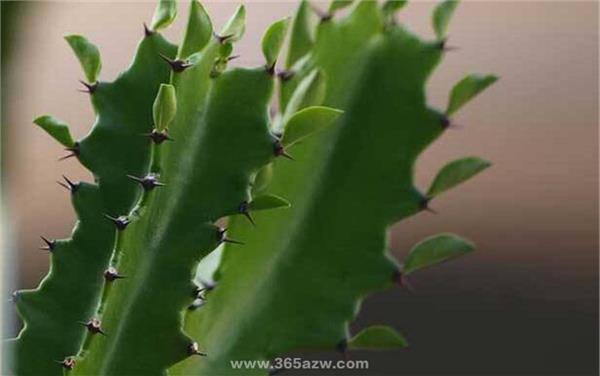
The Brazilian cactus plant has a three-angled shape, is much branched, blue-green, 4 m to 5 m tall, with very short small spines along the ridges. The cactus column blooms white flowers in summer, 4 to 9 of them, clustered on the areoles of the upper part, opening by day and closing by night (potted plants generally do not bloom easily); the berries are small and round, blue-purple, and edible. So, how do you grow Brazilian cactus?
The Ecological Habits of Brazilian Cactus
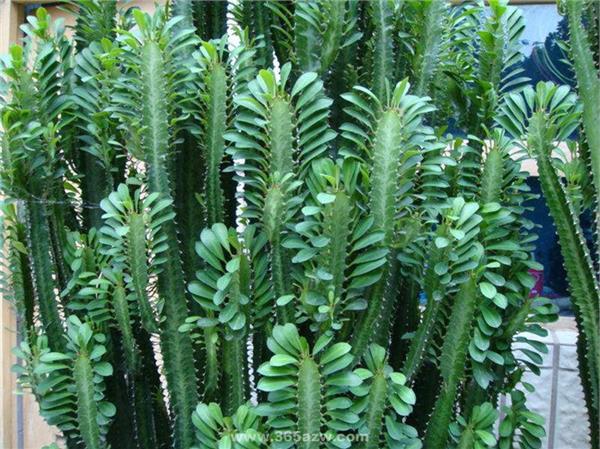
It likes plenty of sunlight, is not cold-tolerant, but is drought-tolerant, and prefers dry loamy soil. The cactus column needs plenty of sunlight; its branches are blue-green, and its leaves resemble fish scales, glistening in the sunlight. With many stems standing upright like sharp peaks and swords, it is quite spectacular and an excellent choice for potted flowers.
In the north, it should be kept indoors in winter; in the south, it can be planted in the open ground, and can also be used as a hedge. It serves as a green barrier and beautifies the courtyard, and in summer you can also enjoy the fragrance of the flowers and the fruit.
The Landscape Uses of Brazilian Cactus
1. Brazilian cactus is suitable for decorating homes and office environments, playing a good role in beautifying the environment and purifying the air. In the north, it should be grown in pots indoors in winter; in the south, it can be planted in the open ground, and can also be used as a hedge. It serves as a green barrier and beautifies the courtyard, and in summer you can also enjoy the fragrance of the flowers and the fruit.
2. Brazilian cactus is known as the "universal rootstock." Using the cactus column as a rootstock, it can be grafted with crown of thorns (Euphorbia milii) and Christmas cactus (Schlumbergera), producing exotic flowers and unusual plants in all their varied beauty. The cactus column needs plenty of sunlight; its branches are blue-green, and its leaves resemble fish scales, glistening in the sunlight. With many stems standing upright like sharp peaks and swords, it is quite spectacular and an excellent choice for potted flowers.
Growing Conditions for Brazilian Cactus
1. Light
Brazilian cactus loves sunlight very much, so during cultivation the plant needs to be placed in a spot with plenty of sunlight to fully receive the sun's rays. However, summer light is very intense and will scorch the plant's leaves, so appropriate shading is needed.
2. Temperature
Brazilian cactus loves a warm growing environment, so in the north it needs to be kept indoors in winter. However, Brazilian cactus is really not very cold-tolerant; even though it can be planted in the open ground in the south, care should still be taken to keep it warm to prevent frost damage.
3. Watering
Brazilian cactus is not drought-tolerant, so daily cultivation requires an adequate water supply, but this does not mean watering heavily. After all, Brazilian cactus is one of the succulent plants, so it cannot adapt to excessive moisture; therefore, watering must be controlled appropriately, and waterlogging is not acceptable.
4. Fertilizing
Brazilian cactus does not have a high demand for fertilizer, but a base fertilizer should be applied when planting, adding some organic fertilizer to the soil as appropriate, so that the soil has sufficient fertility; then in normal times you can fertilize slightly less.
5. Soil
Brazilian cactus has very good adaptability, so its requirements for soil have never been high. You can prepare some sandy soil with low stickiness and good drainage as the growing medium, which helps the plant breathe freely during growth.
6. Pruning
Brazilian cactus is a foliage plant, so during normal cultivation some appropriate pruning work is needed. When pruning, mainly cut off the plant's excess shoots and mature shoots, and pay attention to whether the plant's leaves are yellowing, withered, or rotting, and so on.
7. Repotting
Brazilian cactus plants are relatively tall, so the soil should be changed once every one year, and the pot changed once every two years. When changing the soil, you can mix half old soil with half new soil, which gives a higher rooting rate.
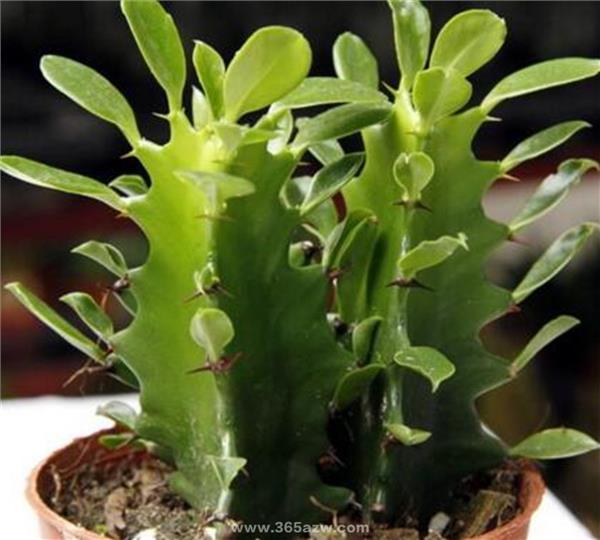
Note: The fleshy stems of Brazilian cactus have sharp spines, and the white sap in the stems is toxic, especially harmful if it gets into the eyes. Therefore, in home cultivation, special attention should be paid to placing it appropriately to avoid children and the elderly being pricked or poisoned. The sap of the cactus is toxic; as long as you do not break the branches and leaves, the milky white sap will not flow out. If you happen to touch it, be sure to wash your hands immediately, and never let it enter your mouth, because someone has tried it, and shortly after it entered the mouth, the mouth went numb.