What are the effects and benefits of aloe? A detailed look at the benefits of aloe for people
Aloe is a perennial herbaceous plant in the family Asphodelaceae, mainly distributed in Africa and other places. There are more than 300 species of wild aloe. Next, let us take a look at the effects and benefits of aloe.
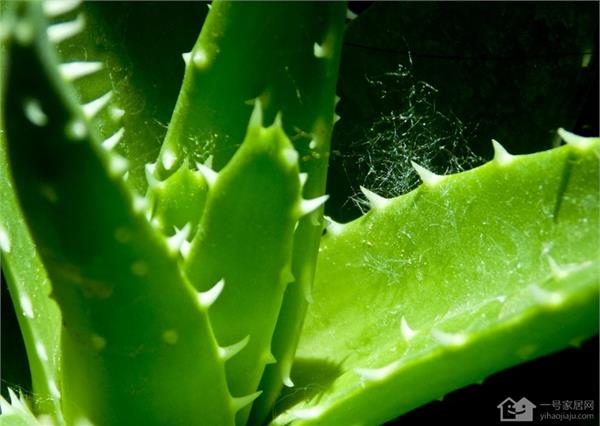
Some people say that growing a few pots of aloe at home is like hiring a "private doctor" at home, which shows that aloe has high medicinal value.
Aloe has effects such as sterilizing, reducing inflammation, strengthening the stomach and relieving constipation, strengthening the heart and invigorating blood, detoxifying, and relieving pain. It is the most widely used plant for personal care and health.
(1) Sterilizing effect: Aloe contains a substance called aloe tincture, which is a strongly antibacterial substance. It can kill ordinary bacteria and fungi and can inhibit the reproduction of pathogens.
(2) Anti-inflammatory effect: The bradykininase in aloe can resist inflammation and has a very good therapeutic effect on chronic diseases such as dermatitis and bronchitis.
(3) Stomach-strengthening and laxative effect: Substances in aloe such as aloe-emodin glycoside and aloe-emodin can promote eating, increase appetite, help gastrointestinal digestion, and have a mild laxative effect on the large intestine. Long-term aloe baths or eating aloe can prevent and treat common diseases.
(4) Detoxifying effect: The components of aloe can promote the liver's breakdown of toxins in the body, inhibit excessive immune reactions, and clear metabolic waste from the body. Moreover, aloe can treat wounds and also has the effect of regenerating new cells.
(5) Pain-relieving and sedative effects: Aloe has pain-relieving and sedative effects. In cases of toothache or swollen and painful fingers, applying aloe leaves to the affected area can eliminate swelling and pain, and it is effective for neuralgia, gout, and muscle pain. In addition, taking aloe internally can also treat hangovers and motion sickness.
Main components of aloe
1. Stabilized aloe gel components: lignin, aloic acid, saponin, anthraquinone, aloin, cinnamic acid quinone, aloe glycoside, aloe-emodin, isoaloin, emodin, anthracene, phenol, rhubarb root acid.
2. Vitamins: vitamin B1, folic acid, vitamin B2, vitamin C, niacinamide, vitamin E, vitamin B6, vitamin A choline, (B-carotene).
3. Inorganic elements: Ca.
4. Monosaccharides and mucopolysaccharides: cellulose, aoldonentose, glucose, L-rhamnose, mannose, xylose.
5. Enzymes: oxidase, lipase, amylase, Aliinase, catalase.
6. Essential amino acids: lysine, leucine, threonine, isoleucine, phenylalanine, valine.
The benefits of aloe for people
Anti-aging effect
The mucin in aloe (mucin, which is protein); mucin-like substances are important components for preventing cell aging and treating chronic allergies. Mucin exists in human muscles and gastrointestinal mucosa and other places, making tissues elastic. If mucin is insufficient, muscles and mucosa will lose elasticity and become stiff and aging. If the cells that make up the human body lack mucin, the cells will gradually weaken and lose the ability to defend against bacteria and viruses. In addition, mucin also has the effect of strengthening the body and increasing vitality.
Insect-repellent and preservative effects
Aloe juice has very good disinfecting and preservative effects. Applying aloe juice on the skin in summer keeps mosquitoes from biting. Colombians often apply aloe juice to children's feet to prevent insect damage. Spraying aloe juice on doors, windows, and indoors keeps flies out. The Dai people use aloe juice to prevent flies from entering rooms.
Promoting wound healing
Aloin A, wound hormones, and glycan peptide mannan (Ke-2) have the effect of resisting viral infection and promoting wound healing and recovery. They have the functions of reducing inflammation and sterilizing, absorbing heat and reducing swelling, softening the skin, and maintaining cell vitality. Gel polysaccharides combined with traumatic acid also have wound-healing activity, so it is an ideal medicine for treating external injuries (bleeding external injuries and non-bleeding external injuries) without leaving scars.
Immunity and anti-tumor
The viscous polysaccharides in aloe have the effect of improving immunity and inhibiting and destroying the growth of abnormal cells, thereby achieving an anti-cancer purpose.
The above is the full content of the effects and benefits of aloe and the benefits of aloe for people that I have summarized for everyone. I hope this article can help everyone.